
sleepadmin
Why Coffee Makes Some People Sleepy and Others Wide Awake
Discover why coffee makes some people sleepy while others stay awake. Learn how caffeine, genetics, and metabolism affect your sleep.
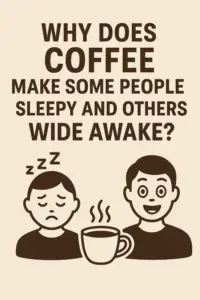
Coffee Makes Some People Sleepy – Here’s Why Caffeine Doesn’t Affect Everyone The Same
Most of us think of coffee as a quick pick-me-up – the drink we reach for when we want to stay alert, power through late-night work, or kickstart the morning. But not everyone reacts to coffee the same way. For some, a cup of coffee at night might surprisingly make them feel sleepy instead of energized. For others, even a small sip late in the evening can lead to tossing and turning until sunrise.
So why does caffeine affect people so differently? Let’s break down the main reasons.
1. Genetics and Caffeine Metabolism
The biggest factor is genetics.
*Some people have a gene variant (CYP1A2) that makes them “fast metabolizers” of caffeine. Their bodies break it down quickly, so the stimulating effects wear off sooner. For these people, a late-night coffee might not disturb sleep much or might even leave them feeling relaxed as the caffeine clears.
*Others are “slow metabolizers.” Their bodies break down caffeine much more slowly, so even an afternoon cup can keep them wired late into the night.
2. Adenosine and the Sleep-Wake Cycle
Caffeine mainly works by blocking adenosine, a brain chemical that builds up during the day and makes you sleepy.
*In some people, caffeine only blocks adenosine for a short while. Once it wears off, adenosine “rebounds” stronger, creating a wave of drowsiness.
*For others, caffeine keeps blocking adenosine long enough to prevent sleep, leading to restlessness and alertness well past bedtime.
3. Nervous System Sensitivity
People differ in how sensitive their nervous systems are to stimulants like caffeine.
*If your nervous system is highly responsive, coffee may give you racing thoughts, jitters, or a pounding heart, making it hard to wind down.
*If your nervous system is less reactive, the same amount of caffeine might barely move the needle or even help you relax because you associate coffee with calm, cozy routines.
4. Timing, Habit, and Tolerance
How coffee affects you also depends on when and how often you drink it.
* Regular coffee drinkers build up a tolerance, so the stimulating effects feel milder. A bedtime coffee might act more like a comforting ritual than a jolt of energy.
* Occasional drinkers may feel a strong impact from even small doses, especially later in the day.
5. Other Factors: Lifestyle and Body Chemistry
* Sleep deprivation: If you’re already very tired, caffeine may not fully override your body’s drive for sleep, so you might still feel drowsy after drinking it.
* Diet and hydration: A heavy meal or dehydration can also blunt caffeine’s effects.
* Psychology: If coffee before bed is part of a relaxing nighttime routine, your brain might associate it with winding down rather than waking up.
Practical Takeaways
1. Know your body. If coffee keeps you awake at night, stick to mornings and early afternoons.
2. Experiment with timing. Some people can drink coffee at 8 PM and sleep fine, while others need to cut it off by noon.
3. Pay attention to sleep quality. Even if you fall asleep after late-night coffee, caffeine can reduce deep, restorative sleep.
Final Thoughts
Coffee isn’t one-size-fits-all. Your genes, metabolism, nervous system, and habits all play a role in how your body reacts. For some, a late-night cup can surprisingly bring on sleepiness, while for others it guarantees a restless night. The key is to notice your own patterns and adjust your coffee habits to protect your sleep.
Recommended Reading
Avoid Caffeine & Alcohol Before Bed
To improve your sleep quality, it’s essential to avoid caffeine and alcohol before bed, since both can interfere with falling asleep and staying asleep. Why You Should Avoid Caffeine and Alcohol Late in the Day for Better Sleep When it comes to improving sleep quality, many people focus on bedtime routines, sleep environments, and stress […]
Short Naps Only: Boost Energy Without Losing Sleep
Short naps are a simple yet powerful way to recharge your energy, boost focus, and improve productivity without disrupting your nighttime sleep. Short Naps Only: How Power Naps Can Improve Energy Without Ruining Sleep For many people, the mid-afternoon slump is real. Energy dips, focus fades, and eyelids feel heavy. Reaching for a cup of […]
Regular Exercise (Not Too Late)
Regular exercise is one of the most effective ways to boost overall health, reduce stress, and improve the quality of your sleep. Regular Exercise (Not Too Late): The Right Way to Move for Better Sleep Most of us know that regular exercise is essential for good health – it strengthens the heart, builds muscle, reduces […]
Many of us cherish reading before bed. The ritual of curling up with a book feels cozy, comforting, and timeless. But when it comes to sleep, the truth is nuanced: while a calming physical book can be a powerful tool for relaxation, digital screens, stimulating genres, and poor timing can actually sabotage your rest. This […]
Consistent Sleep Schedule Benefits
A consistent sleep schedule is one of the most effective ways to improve your rest, boost your energy, and support long-term health. Why Going to Bed and Waking Up at the Same Time Every Day Is the Key to Better Sleep When it comes to improving your sleep, most people immediately think about buying a […]
Comfortable Mattress and Pillow: Sleep Better Tonight
A comfortable mattress and pillow are the foundation of restful sleep, providing the support your body needs to relax, recover, and wake up refreshed.

Comfortable Mattress and Pillow: The Foundation of Quality Sleep
When it comes to better sleep, most people focus on bedtime routines, relaxation habits, or limiting caffeine. While all of these matter, there’s one factor that often gets overlooked: your sleep surface. A comfortable mattress and pillow aren’t just luxuries—they’re essential tools for supporting your body, reducing pain, and helping you achieve deep, restorative sleep.
If your mattress sags, your pillow feels flat, or you constantly wake up stiff and sore, it may be time for an upgrade. In this article, we’ll explore why comfort matters, the science behind mattress and pillow support, how to choose the right ones for your sleep style, and tips to maintain them for long-term use.
Why a Comfortable Mattress and Pillow Matter
Sleep is when your body repairs itself. Muscles recover, the immune system strengthens, and the brain consolidates memories. If your mattress and pillow don’t support your body properly, these restorative processes can be disrupted.
Benefits of a comfortable mattress and pillow:
* Proper spinal alignment – Keeps your neck, shoulders, and spine in a neutral position.
*Pressure relief – Prevents soreness in hips, shoulders, and back.
*Fewer sleep disruptions – Reduces tossing, turning, and nighttime awakenings.
*Improved circulation – A supportive surface reduces numbness and tingling.
*Better sleep quality – Leads to deeper, more restorative rest.
On the flip side, an uncomfortable or unsupportive sleep setup can cause:
*Neck and back pain
*Tension headaches
*Shoulder and hip discomfort
*Poor posture and spinal misalignment
*Daytime fatigue
The Science of Sleep Support
Your spine has a natural S-shaped curve. The job of a mattress and pillow is to maintain that curve while you sleep. If your mattress is too soft or too firm—or your pillow is the wrong height—your spine is forced into unnatural positions, creating strain.
* Mattress: Should support your entire body evenly, allowing heavier areas (like hips and shoulders) to sink in slightly while keeping the spine aligned.
* Pillow: Should fill the gap between your head and shoulders, preventing your neck from bending unnaturally.
When both work together, your body can fully relax, reducing tension and allowing deep sleep.
Your mattress and pillow directly affect spinal alignment, comfort, and sleep efficiency. Research shows medium-firm mattresses improve back pain and sleep quality.
🔗 National Institutes of Health – Medium-Firm Mattress Study
Choosing the Right Mattress
There is no one-size-fits-all mattress. The right choice depends on sleep position, body type, and personal comfort preferences.
1. Mattress Types
* Memory Foam – Conforms to your body for pressure relief, great for side sleepers.
*Innerspring – Offers bounce and support, ideal for people who prefer a firmer feel.
*Hybrid – Combines foam and coils for balance of support and comfort.
*Latex – Naturally breathable, supportive, and durable.
2. Firmness Levels
* Soft: Best for side sleepers who need pressure relief on shoulders and hips.
*Medium: Ideal for back sleepers who need balance of support and contouring.
*Firm: Works well for stomach sleepers and those who need strong spinal support.
3. Signs You Need a New Mattress
*Sagging or lumps
*Waking up sore or stiff
*Trouble falling or staying asleep
*Mattress is more than 7–10 years old

Choosing the Right Pillow
Pillows are just as important as mattresses when it comes to sleep comfort. The wrong pillow height or material can cause neck pain, headaches, and poor sleep.
1. Pillow Loft (Height)
* Low loft (3 inches or less): Best for stomach sleepers.
*Medium loft (3–5 inches): Works for back sleepers.
*High loft (5+ inches): Great for side sleepers who need more support for the neck and shoulders.
2. Pillow Fill Types
* Memory Foam: Molds to your shape, excellent for pressure relief.
*Down/Feather: Soft and luxurious, but may lack support.
*Latex: Firm, supportive, and long-lasting.
*Polyester: Affordable, but less durable.
*Hybrid/Adjustable: Allows you to customize fill for perfect loft.
3. Signs You Need a New Pillow
*Neck stiffness or headaches in the morning
*Flattened pillow with no support
*Pillow is stained or lumpy
*More than 1–2 years old (most pillows lose support quickly)
Matching Mattress and Pillow to Your Sleep Style
Side Sleepers
* Mattress: Medium to soft to cushion shoulders and hips.
*Pillow: High loft to keep neck aligned with spine.
Back Sleepers
* Mattress: Medium firmness for balance of support and comfort.
*Pillow: Medium loft to prevent head from tilting forward or backward.
Stomach Sleepers
* Mattress: Firm for spinal support.
*Pillow: Thin or no pillow to avoid neck strain.
Combination Sleepers
* Mattress: Medium or hybrid for versatility.
*Pillow: Adjustable loft pillow to suit different positions.
Tips for Maintaining Comfort
1. Rotate Your Mattress – Every 3–6 months to prevent sagging.
2. Use a Mattress Protector – Shields against spills, allergens, and dust mites.
3. Wash Pillows Regularly – Every 3–6 months to keep them fresh and supportive.
4. Fluff Pillows – Keeps filling evenly distributed.
5. Replace on Time – Mattresses every 7–10 years; pillows every 1–2 years.
When Comfort Isn’t Enough
Sometimes, discomfort during sleep isn’t caused solely by your mattress or pillow. Underlying issues like stress, poor sleep hygiene, or medical conditions (like sleep apnea) can also affect rest. That’s why a comfortable mattress and pillow should be paired with healthy sleep habits like:
*Consistent sleep/wake schedule
*Relaxation techniques before bed
*Limiting caffeine and alcohol late in the day
*Creating a cool, dark, quiet bedroom environment
The Long-Term Benefits of Investing in Comfort
Spending on a quality mattress and pillow may seem like an expense, but it’s actually an investment in your health. Over time, you’ll notice:
* Less pain and stiffness
* Better mood and mental clarity
*Deeper, more restorative sleep cycles
*Stronger immune system
*Higher energy and productivity
Considering we spend nearly one-third of our lives sleeping, investing in the right mattress and pillow pays off every single night.
Final Thoughts
Your sleep environment is the foundation of good rest and at the center of it all are your mattress and pillow. A comfortable mattress supports your body, relieves pressure, and keeps your spine aligned, while the right pillow prevents neck strain and completes the support system.
If you’ve been waking up sore, tossing and turning, or struggling to stay asleep, it might not be stress or bad habits, it could simply be your bed. Upgrading to a mattress and pillow that suit your sleep style is one of the fastest, most effective ways to transform your nights and improve your overall health.
Sleep isn’t just about how long you rest, it’s about how well you rest. And that starts with a comfortable mattress and pillow.
Recommended Reading
DreamCloud Mattress Review: The Truth About Comfort and Durability
DreamCloud Mattress Review: Everything You Should Know Before Buying When it comes to premium mattresses, the DreamCloud mattress has quickly become a standout in the crowded bed-in-a-box market. Offering hybrid construction, multiple comfort layers, and an affordable luxury feel, DreamCloud is often compared with higher-end hotel mattresses. In this DreamCloud mattress review, we’ll dive […]
Zinus Green Tea Memory Foam Mattress Review
Zinus 10-Inch Green Tea Cooling Memory Foam Mattress Review — Best Budget Memory Foam Pick on Amazon Sleep feeling overheated or sore? The Zinus 10‑Inch Green Tea Cooling Memory Foam Mattress (New Version) could be your affordable solution for cooling comfort and pressure relief. This budget-friendly memory foam favorite on Amazon packs green tea and cooling […]
Casper Mattress Review: Is It the Right Bed for You?
Our In-Depth Casper Mattress Review Covers The Pros, Cons & Real Value When it comes to buying a new mattress, one name that almost always comes up is Casper. Known as one of the pioneers of the “mattress in a box” trend, Casper has built a reputation for quality, convenience, and comfort. But with so […]
Short Naps Only: Boost Energy Without Losing Sleep
Short naps are a simple yet powerful way to recharge your energy, boost focus, and improve productivity without disrupting your nighttime sleep.

Short Naps Only: How Power Naps Can Improve Energy Without Ruining Sleep
For many people, the mid-afternoon slump is real. Energy dips, focus fades, and eyelids feel heavy. Reaching for a cup of coffee might seem like the easiest solution, but there’s another powerful way to recharge: short naps.
Unlike long daytime naps that can leave you groggy or disrupt nighttime sleep, short naps—often called “power naps”—provide a burst of alertness, improved mood, and better performance. The key is in the timing and duration.
In this article, we’ll explore the science of napping, why short naps are best, how long they should last, and practical tips to incorporate them into your daily routine.
The Science of Napping
Naps are essentially mini-sleep sessions, and just like nighttime sleep, they follow stages:
* Light sleep (stages 1 & 2): Restores alertness and energy.
*Deep sleep (stage 3): Helps with physical recovery.
*REM sleep (stage 4): Enhances memory and creativity.
The problem with long naps is that once you enter deep sleep, waking up leaves you feeling groggy and disoriented—a phenomenon known as sleep inertia. That’s why keeping naps short is so important.
Short naps (10–20 minutes) improve alertness without affecting nighttime sleep. Longer naps may cause grogginess and disrupt circadian rhythm.
🔗 NASA – The Value of a Nap
Why “Short Naps Only” Is the Rule
1. Prevents Sleep Inertia
Short naps (10–30 minutes) allow you to rest in the lighter stages of sleep. This provides refreshment without the sluggishness of waking from deep sleep.
2. Protects Nighttime Sleep
Long naps, especially in the late afternoon or evening, can make it harder to fall asleep at night. Short naps give you an energy boost without interfering with your regular sleep schedule.
3. Boosts Alertness and Productivity
NASA studies on pilots and astronauts show that a 26-minute nap can improve alertness by 54% and performance by 34%.
4. Improves Mood and Reduces Stress
Short naps lower cortisol levels and provide a mental reset, making it easier to handle the rest of the day with calmness and focus.
5. Supports Memory and Learning
Research shows that naps help consolidate memories. Even a 20-minute nap can improve learning and problem-solving skills.
The Ideal Nap Length
* 10–20 minutes: Best for a quick energy boost and improved focus. You’ll stay in light sleep, so you wake up refreshed.
*30 minutes: May help with memory but increases the risk of grogginess.
*60 minutes: Enters deeper sleep, beneficial for memory, but you may wake up sluggish.
*90 minutes: A full sleep cycle, sometimes useful, but best reserved for rare catch-up days—not as a daily habit.
👉 For everyday purposes, aim for short naps only: 10–20 minutes.
The Best Time to Nap
The ideal nap window is the early afternoon, typically between 1:00 p.m. and 3:00 p.m. This aligns with the natural dip in energy caused by circadian rhythms.
Napping too late in the day can interfere with nighttime sleep. Napping too early may not provide much benefit since your body hasn’t built up enough sleep pressure yet.
Who Benefits Most from Short Naps?
* Shift workers – To combat irregular sleep schedules.
*Students – To improve memory retention and focus.
*Parents – To recover from disrupted sleep schedules.
*Professionals – To beat the afternoon slump without relying on caffeine.
*Athletes – To aid recovery and boost performance.
How to Take the Perfect Short Nap
1. Set an Alarm – Aim for 10–20 minutes. Use your phone or a smartwatch so you don’t oversleep.
2. Find a Quiet Spot – A couch, recliner, or even your car (parked safely) can work.
3. Darken the Room – Use an eye mask or close curtains to block light.
4. Reduce Noise – White noise machines or earplugs help reduce distractions.
5. Get Comfortable but Not Too Cozy – Recline slightly rather than lying flat to avoid drifting into deep sleep.
6. Use the “Coffee Nap” Trick – Drink a small cup of coffee right before your nap. By the time you wake up 20 minutes later, caffeine kicks in for an added boost.
Common Mistakes to Avoid
* Napping too long – Leads to grogginess and nighttime sleep problems.
*Napping too late – Makes it harder to fall asleep at bedtime.
*Relying on naps for lost sleep – Naps are a supplement, not a replacement for consistent nightly rest.
*Ignoring your environment – Noise, light, or an uncomfortable position can prevent effective rest.
Alternatives to Napping
If you’re in a situation where napping isn’t possible, try these quick refreshers:
* Step outside for sunlight – Natural light boosts alertness.
*Move your body – Stretching or a short walk gets blood flowing.
*Hydrate – Fatigue is sometimes caused by dehydration.
*Breathing exercises – A few minutes of mindful breathing can reset energy.
Short Naps and Long-Term Health
When used wisely, short naps provide long-term benefits:
* Reduced risk of burnout – Helps manage daily stress.
*Improved heart health – Some studies suggest napping lowers blood pressure.
*Enhanced productivity – Sharper focus leads to better performance at work or school.
*Better emotional regulation – Short naps improve mood and resilience to stress.
A Sample Daily Energy Plan with Short Naps
* 7:00 a.m. – Wake up and get morning sunlight.
*1:30 p.m. – Take a 15-minute nap to recharge.
*2:00 p.m. – Hydrate and do a 5-minute stretch before returning to work.
*10:30 p.m. – Start bedtime routine to prepare for deep nighttime sleep.
By pairing short naps with consistent nighttime rest, you maximize both daily energy and long-term health.
Final Thoughts
Naps can be a powerful tool for boosting alertness, mood, and performance. But the secret is to keep them short. Short naps only—10 to 20 minutes, give you all the benefits without the grogginess or nighttime disruptions of longer naps.
Think of them as a reset button for your brain and body. Instead of reaching for another cup of coffee, try a quick nap in the early afternoon. With consistency, you’ll notice better focus, calmer moods, and more energy throughout the day—while still sleeping well at night.
When it comes to recharging, sometimes less really is more.
Recommended Reading
What Sleep Animal Are You?
(Take a Guess – Then See Your Type Below!) Have you ever wondered why you sleep the way you do? Why some people crash the moment their head hits the pillow… while others lie awake planning tomorrow… or suddenly get a burst of energy at midnight? Believe it or not, your sleep style often mirrors […]
The Benefits Of Sleeping In The Nude
When it comes to improving your sleep quality, most people focus on bedtime routines, comfortable pillows, or the right mattress. But there’s one simple and often overlooked factor that can dramatically improve your rest – your body temperature. And one of the easiest ways to regulate it? Sleeping in the nude. It might sound unconventional, […]
The Ultimate Guide To The Best Pillow For Side Sleepers When it comes to getting a good night’s sleep, your pillow matters just as much as your mattress. For the millions of people who sleep on their sides, finding the best pillow for side sleepers can mean the difference between waking up refreshed or waking […]
Discover why coffee makes some people sleepy while others stay awake. Learn how caffeine, genetics, and metabolism affect your sleep. Coffee Makes Some People Sleepy. Here’s Why Caffeine Doesn’t Affect Everyone Most of us think of coffee as a quick pick-me-up – the drink we reach for when we want to stay alert, power […]
Relaxation And Stress Management for Better Sleep
Relaxation and stress management are essential practices for calming the mind, easing tension, and creating the foundation for better sleep and overall health.
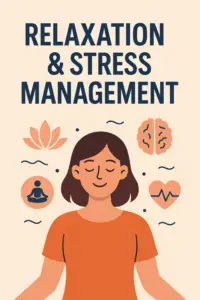
Relaxation and Stress Management: The Key to Better Sleep and Health
In today’s fast-paced world, stress seems to follow us everywhere, through work, finances, family responsibilities, and even our phones. While some stress can be motivating, chronic stress takes a toll on both the body and mind. One of the most overlooked casualties of stress is sleep quality. Racing thoughts, tense muscles, and elevated stress hormones can make it nearly impossible to drift into deep, restorative rest.
That’s where relaxation and stress management come in. By learning how to manage daily stress and practicing relaxation techniques, you can calm your body, quiet your mind, and set the stage for better sleep and overall well-being.
The Connection Between Stress and Sleep
Stress triggers the body’s fight-or-flight response, releasing cortisol and adrenaline. While this is useful in short bursts, chronic activation of this system keeps your body in a state of alertness.
Effects of stress on sleep include:
* Difficulty falling asleep (mind racing, unable to relax)
*Frequent nighttime awakenings
*Reduced deep sleep and REM sleep
*Insomnia or restless sleep
When sleep suffers, stress gets worse—creating a vicious cycle. Breaking this cycle requires active stress management and relaxation practices.
Why Relaxation and Stress Management Matters
Practicing relaxation techniques isn’t just about “feeling calm.” It actively:
*Lowers cortisol levels (the stress hormone)
*Slows heart rate and blood pressure
*Relaxes muscles and reduces physical tension
*Signals the brain to transition from fight-or-flight mode to rest-and-digest mode
*Prepares your body for deeper, higher-quality sleep
Over time, building relaxation and stress management into your daily life supports both mental health and physical health.
Stress raises cortisol, which delays melatonin release. Mindfulness and relaxation practices lower stress and improve sleep quality.
🔗 Sleep Foundation – Relaxation Techniques
Proven Stress Management Strategies
1. Deep Breathing Exercises
Breathing is one of the fastest ways to influence your nervous system. By taking slow, intentional breaths, you activate the parasympathetic nervous system.
Try the 4-7-8 technique:
*Inhale through your nose for 4 seconds
*Hold for 7 seconds
*Exhale through your mouth for 8 seconds
*Repeat 4–6 cycles before bed.
2. Progressive Muscle Relaxation (PMR)
PMR involves tensing and then relaxing each muscle group in the body, moving from head to toe. This helps release stored tension and makes it easier to drift off to sleep.
Example: Tighten your shoulders for 5 seconds, then release. Move to arms, legs, and so on.
3. Mindfulness and Meditation
Mindfulness involves staying present in the moment rather than dwelling on stressors. Meditation can lower anxiety, improve mood, and reduce insomnia symptoms.
Popular methods:
* Guided meditation apps (Headspace, Calm)
*Body scan meditation before sleep
*Mindful journaling to release racing thoughts
4. Yoga and Gentle Movement
Yoga combines movement, breathing, and mindfulness, making it an excellent stress reliever. Even 10–15 minutes of gentle yoga before bed can release tension and prepare the body for sleep.
5. Journaling for Stress Relief
Writing down worries, to-do lists, or gratitude entries can clear your mind before bed. This reduces the “mental clutter” that often keeps people awake.
6. A Calming Evening Routine
Stress often follows us into bed because we don’t create a transition from work mode to rest mode. Establishing a nightly wind-down routine—like reading, listening to calming music, or drinking herbal tea—helps signal your brain it’s time to relax.
7. Limit Stimulants and Stress Triggers
Caffeine, alcohol, and late-night screen time keep the brain overstimulated. Limiting these in the evening reduces nighttime stress.
Lifestyle Strategies for Long-Term Stress Management
Stress isn’t just a bedtime problem, it builds throughout the day. Incorporating healthy habits into your lifestyle reduces overall stress load.
1. Regular Exercise – Physical activity lowers stress hormones and boosts mood-enhancing endorphins.
2. Balanced Diet – Foods rich in magnesium, omega-3s, and antioxidants support relaxation.
3. Time in Nature – Outdoor time reduces cortisol and improves mental clarity.
4. Healthy Boundaries – Limit overcommitment at work or home to prevent burnout.
5. Social Connection – Talking with supportive friends or family relieves emotional stress.
A Sample Relaxation Routine Before Bed
Here’s a 30-minute nightly relaxation routine you can try:
* 9:30 p.m. – Turn off screens and dim the lights.
*9:35 p.m. – Make a cup of chamomile tea.
*9:40 p.m. – Write down tomorrow’s to-do list and three things you’re grateful for.
*9:50 p.m. – Practice 10 minutes of deep breathing or meditation.
*10:00 p.m. – Do gentle stretching or yoga poses.
*10:15 p.m. – Get into bed and practice progressive muscle relaxation.
Common Mistakes to Avoid
* Bottling up stress – Ignoring it only increases physical tension.
*Using alcohol as a relaxer – It may knock you out but worsens sleep quality.
*Overloading your wind-down – Too many activities can feel like a chore; keep it simple.
*Being inconsistent – Stress management only works if it becomes a regular habit.
Long-Term Benefits of Stress Management
By building stress relief practices into your life, you’ll experience benefits that go beyond sleep:
* Better emotional regulation – Less irritability and mood swings.
*Lower risk of anxiety and depression.
*Improved heart health – Lower blood pressure and reduced strain on the cardiovascular system.
*Stronger immune system – Less stress means better resistance to illness.
*Greater productivity and focus – A calm mind performs better during the day.
Final Thoughts
In a world filled with constant stressors, relaxation and stress management are no longer luxuries—they’re necessities for health and quality sleep. By practicing techniques like deep breathing, mindfulness, and progressive muscle relaxation, and pairing them with lifestyle changes such as exercise and social support, you can break the cycle of stress and sleepless nights.
Start small: choose one relaxation technique tonight and stick with it for a week. Gradually, you’ll notice it becomes easier to unwind, your sleep will improve, and your overall well-being will rise.
Remember: you can’t always eliminate stress, but you can control how you respond to it. With the right tools, you can relax, recharge, and enjoy the restorative sleep your body needs.
Recommended Reading
Avoid Caffeine & Alcohol Before Bed
To improve your sleep quality, it’s essential to avoid caffeine and alcohol before bed, since both can interfere with falling asleep and staying asleep. Why You Should Avoid Caffeine and Alcohol Late in the Day for Better Sleep When it comes to improving sleep quality, many people focus on bedtime routines, sleep environments, and stress […]
Cool Dark And Quiet Bedroom – The Key to Better Sleep
A cool dark and quiet bedroom is the foundation of healthy sleep, helping your body relax and your mind drift into deeper, more restorative rest. Why a Cool Dark and Quiet Bedroom Is the Secret to Better Sleep When people struggle with poor sleep, the first instinct is often to blame stress, caffeine, or an […]
Regular Exercise (Not Too Late)
Regular exercise is one of the most effective ways to boost overall health, reduce stress, and improve the quality of your sleep.
Regular Exercise (Not Too Late): The Right Way to Move for Better Sleep
Most of us know that regular exercise is essential for good health – it strengthens the heart, builds muscle, reduces stress, and supports weight management. But what many people don’t realize is just how much exercise impacts sleep quality.
Moving your body consistently during the day can help you fall asleep faster, stay asleep longer, and wake up feeling refreshed. However, the timing of your workouts matters. Exercising too late in the evening may leave you restless and wired, while exercising earlier in the day can prime your body for restorative rest at night.
In this article, we’ll explore the science behind exercise and sleep, the benefits of regular activity, the best times to work out, and practical tips to make exercise part of your daily routine without sabotaging your bedtime.
The Link Between Exercise and Sleep
Exercise and sleep have a two-way relationship. Just as regular exercise improves sleep quality, good sleep enhances performance and recovery.
Here’s how exercise helps sleep:
* Reduces Stress Hormones – Physical activity lowers cortisol, which helps the body relax.
*Increases Deep Sleep – Regular exercise boosts slow-wave sleep, the most restorative stage.
*Regulates Circadian Rhythm – Morning or afternoon workouts reinforce your body’s natural sleep-wake cycle.
*Reduces Insomnia Symptoms – Studies show that people who exercise consistently fall asleep faster and wake up less often.
In short, exercise acts as a natural sleep aid, when done at the right time.
Why Timing Matters
Exercising too close to bedtime can actually disrupt sleep. Intense physical activity raises body temperature, heart rate, and adrenaline levels. While these changes are great for energy during the day, they can make it difficult to wind down at night.
What Happens When You Exercise Late:
*Elevated core body temperature delays melatonin production.
*Increased heart rate and adrenaline make it harder to relax.
*Stimulation of the nervous system keeps your mind alert.
That doesn’t mean all evening exercise is bad – it depends on intensity. Light stretching or yoga before bed can actually be calming, while vigorous cardio or heavy weightlifting might keep you awake.
Exercise improves sleep quality and increases deep sleep. However, vigorous activity too close to bedtime may delay sleep.
🔗 Johns Hopkins Medicine – Exercise and Better Sleep
The Best Time of Day to Exercise for Sleep
Morning Exercise
*Exposes you to natural light, helping reset circadian rhythm.
*Boosts energy and focus for the day ahead.
*Reduces stress levels, leading to calmer evenings.
Afternoon Exercise
*Ideal for strength and performance (muscle strength peaks later in the day).
*Helps shake off afternoon fatigue.
*Still early enough not to interfere with sleep.
Evening Exercise (with caution)
*Light to moderate exercise (stretching, yoga, walking) can be relaxing.
*Avoid high-intensity workouts within 2–3 hours of bedtime.
Types of Exercise That Benefit Sleep
1. Aerobic/Cardio – Walking, jogging, cycling, or swimming improves sleep efficiency and reduces insomnia.
2. Strength Training – Helps regulate hormones, reduces anxiety, and boosts slow-wave sleep.
3. Yoga & Stretching – Particularly effective at reducing stress and calming the nervous system.
4. Tai Chi or Mind-Body Exercise – Combines movement with mindfulness, supporting both mental and physical relaxation.

How Much Exercise Do You Need?
The CDC recommends at least:
* 150 minutes of moderate aerobic exercise per week (e.g., brisk walking, cycling).
*2+ strength training sessions per week.
Even light daily movement, like a 20-minute walk, can improve sleep quality. The key is consistency.
Sample Weekly Exercise Plan for Better Sleep
* Monday: 30-min brisk walk in the morning
*Tuesday: Strength training (afternoon)
*Wednesday: Light yoga or stretching (evening)
*Thursday: Jogging or cycling (late afternoon)
*Friday: Strength training (afternoon)
*Saturday: Hiking, swimming, or sports (morning)
*Sunday: Gentle stretching or rest day
Exercise and Insomnia
For people with insomnia, exercise can be especially helpful. Research shows that moderate aerobic exercise reduces time to fall asleep and increases total sleep time. The key is to stick with it – benefits may take a few weeks to become noticeable.
👉 Important Note: If you struggle with insomnia, avoid vigorous exercise at night. Stick to mornings or afternoons for best results.
Practical Tips for Exercising Without Disrupting Sleep
1. Finish Intense Workouts 3 Hours Before Bed – Give your body time to cool down and relax.
2. Wind Down with Stretching – If you exercise in the evening, follow it with light yoga or stretching to transition to rest mode.
3. Stay Hydrated, But Not Too Late – Drink water after workouts but taper off before bedtime to avoid nighttime bathroom trips.
4. Pair Exercise with Sunlight – Morning outdoor workouts reinforce circadian rhythm.
5. Keep it Consistent – Exercise regularly at the same time of day to train your body and clock.
Mistakes to Avoid
* Relying on exercise alone for sleep – It helps, but other habits (like limiting caffeine and maintaining a sleep routine) also matter.
* Going too hard too late – High-intensity exercise before bed may leave you restless.
* Being inconsistent – Sporadic exercise won’t deliver the same sleep benefits as regular, moderate activity.
The Long-Term Benefits of Regular Exercise for Sleep
Sticking to a consistent workout schedule (not too late in the day) pays off in countless ways:
* Improved sleep quality – Deeper, more restorative rest.
*Better mood and reduced anxiety – Thanks to endorphins and reduced stress hormones.
*Stronger circadian rhythm – Easier to fall asleep and wake up at consistent times.
*Healthier body – Reduced risk of obesity, diabetes, and heart disease (all linked to poor sleep).
*Greater energy and productivity – More restful nights equal more alert days.
Final Thoughts
Exercise is one of the most powerful tools for better sleep, but the timing matters. Regular exercise (not too late) supports your circadian rhythm, reduces stress, and helps you drift into deeper, more refreshing rest.
Aim for daily movement, whether it’s a morning walk, an afternoon strength session, or evening yoga. Just avoid high-intensity workouts too close to bedtime. Pair consistent exercise with other sleep-friendly habits like a calming pre-sleep routine and a cool, dark, quiet bedroom and you’ll set yourself up for the best nights of sleep possible.
Your body thrives on movement and rhythm. Exercise regularly, time it wisely, and let your nights reward you with restorative sleep.