
sleepadmin
What Sleep Animal Are You?
(Take a Guess – Then See Your Type Below!)
Have you ever wondered why you sleep the way you do? Why some people crash the moment their head hits the pillow… while others lie awake planning tomorrow… or suddenly get a burst of energy at midnight?
Believe it or not, your sleep style often mirrors the rhythms of the animal kingdom.
Before you scroll down, take a guess:

👉 Do you know what “sleep animal” you are most like?
Think about your sleep habits…
* Are you an early riser?
* A night owl?
* A light sleeper?
* Someone who could nap anywhere?
Got your guess?
Take the quiz below to find out
And then see all the animals below to see which one matches you best.
What Sleep Animal Are You?
Everyone has a natural sleep rhythm – morning person, night owl, deep sleeper, light sleeper, or something in between.
Answer the questions below and discover which Sleep Animal Type best matches your sleep personality.
No wrong answers – just be honest!
QUIZ QUESTIONS
Points for each question:
1 Point for A
2 Points for B
3 Points for C
4 Points for D
1. What time do you feel most alert?
A. Early morning
B. Late morning
C. Afternoon
D. Evening or late night
2. How easy is it for you to fall asleep?
A. Very easy – I’m out fast
B. Usually okay
C. It varies
D. Hard – my mind stays active
3. What time would you naturally go to bed if you had no responsibilities?
A. 9 – 10 PM
B. 10 – 11 PM
C. 11 PM – 12 AM
D. After midnight
4. How would you describe your energy levels during the day?
A. Strong early, fade by evening
B. Balanced most of the day
C. Low morning, strong later
D. All over the place (bursts + crashes)
5. How easily do you wake up?
A. Instantly
B. Pretty well
C. Slow and groggy
D. It varies depending on sleep quality
6. Do you wake up throughout the night?
A. Rarely
B. Sometimes
C. Often
D. Constantly (light sleeper)
7. Best work/creative time?
A. Before 11 AM
B. 11 AM – 3 PM
C. 3 PM – 7 PM
D. After 7 PM
8. What’s your ideal nap situation?
A. No naps needed
B. Occasional short nap
C. Love naps, they revive me
D. Naps sabotage my nighttime sleep
9. How sensitive are you to light, noise, or interruptions while sleeping?
A. Not sensitive
B. A little
C. Quite sensitive
D. Extremely sensitive
10. Your evening mood feels like:
A. Tired + ready for bed
B. Relaxed
C. Becoming more alert
D. Most productive of the day
11. Sleep consistency:
A. Very consistent
B. Mostly consistent
C. Inconsistent
D. Wildly inconsistent
12. If you could set your perfect sleep window, it would be:
A. 9:30 PM – 5:30 AM
B. 10:30 PM – 7 AM
C. 11 PM – 7:30 AM
D. 12 AM – 8 AM or later
13. Your sleep environment needs:
A. Simple, not picky
B. Comfortable + cozy
C. Very dark + very quiet
D. Perfect conditions or you can’t sleep
14. Your sleep challenges (choose one):
A. None, I sleep great
B. Afternoon energy dips
C. Trouble falling asleep
D. Trouble staying asleep
15. How do you feel in the morning?
A. Awake
B. Normal
C. Groggy
D. Miserable
🧮 SCORING
Add your total points.
* 15 – 23 points → Type A
* 24 – 32 points → Type B
*33 – 41 points → Type C
*42 – 60 points → Type D
Now see your results below.
🐾 YOUR SLEEP ANIMAL RESULTS
Each point range maps to different animals depending on your pattern.
You can either choose JUST the top animal per score range, or let users self-identify from the short list.
Here is the flexible version (best for websites):
TYPE A (15 – 23 points): Early risers, easy sleepers, dependable rhythms
You may be one of these:
🦁 Lion
Early morning powerhouse
* Sleeps early
* Wakes energized
* Best work: morning
* Challenge: evening burnout
🐘 Elephant
Deep sleeper, very restorative
* Hard sleeper, slow to wake
* Strong physical energy
* Challenge: Sleep inertia
🐼 Panda
Loves sleep + comfort
* Enjoys long quiet mornings
* Naps occasionally
* Challenge: Too much lounging
TYPE B (24 – 32 points): Balanced sleepers with stable rhythms
Likely fits:
🐻 Bear
Most common sleep type
* Follows daylight
* Steady, predictable energy
* Challenge: afternoon slump
🦊 Fox
Adaptable sleeper
* Can shift schedules easily
* Works well mid-day
* Challenge: Easily disrupted
🐯⬛ Panther
Very balanced
* Good mix of light + deep sleep
* Emotional stability
* Challenge: Becomes nocturnal under stress
TYPE C (33 – 41 points): Later sleepers, warm-up slow, creative in evenings
Your animal may be:
🐺 Wolf
Classic night owl
* Hard mornings
* Creative evenings
* Challenge: rigid schedules
🦇 Bat
Extreme night owl
* Most alert at night
* Very imaginative
* Challenge: social misalignment
🐯 Tiger
High bursts of energy
* Sporadic productivity
* Needs recovery periods
* Challenge: burnout waves
TYPE D (42 – 60 points): Light sleepers, restless minds, easily disrupted
You likely match:
🐬 Dolphin
Anxious/light sleeper
* Overthinks at night
* Sensitive to noise/light
* Challenge: insomnia
🐰 Rabbit
Hyper-aware sleeper
* Startles easily
* Frequent waking
* Challenge: stress-related sleep issues
🦥 Sloth
Needs long sleep
* Low morning energy
* Slow movement
* Challenge: daytime sluggishness



💤 The 12 Sleep Animal Types (Which One Are You?)
Below are the most common sleep-personality profiles based on natural rhythms, habits, and sleep tendencies. Each animal represents a different pattern and understanding yours can completely transform the way you sleep.
🐻 1. The Bear – The Natural Sleeper
Most people are Bears.
They follow the sun, feel alert during the day, and unwind naturally at night.
Traits: Easygoing, steady, social
Sleep Pattern: 11 PM – 7 AM
Challenges: Afternoon energy dips
Works Best For: Traditional work schedules
Pro Tip: Eat a lighter dinner to avoid evening sluggishness.
🦁 2. The Lion – The Early Achiever
Lions are up before the alarm even rings.
Traits: Organized, driven, proactive
Sleep Pattern: 9:30 PM – 5:30 AM
Challenges: Evening burnout
Works Best For: High-productivity mornings
Pro Tip: Save creative tasks for early hours.
🐺 3. The Wolf – The Night Owl
Wolves come alive after dinner.
Traits: Creative, emotional, intuitive
Sleep Pattern: 12 AM – 8 AM
Challenges: Morning fog, difficulty with early schedules
Works Best For: Flexible or creative careers
Pro Tip: Use morning light to help regulate your rhythm.
🐬 4. The Dolphin – The Light Sleeper
Dolphins tend to overthink, wake easily, and rarely feel fully “switched off.”
Traits: Intelligent, analytical, perfectionistic
Sleep Pattern: 11:30 PM – 7:30 AM
Challenges: Insomnia, mental chatter
Works Best For: Tech, problem-solving roles
Pro Tip: Strict wind-down routine is essential.
🦥 5. The Sloth – The Long Restorative Sleeper
Sloths need more sleep than most and that’s okay.
Traits: Calm, gentle, slow-paced
Sleep Pattern: 8 – 10 hours
Challenges: Morning sluggishness
Works Best For: Jobs with flexible hours
Pro Tip: Get morning sunlight to boost natural energy.
🐯 6. The Tiger – The Sprinter
High bursts of focus, followed by hard crashes.
Traits: Intense, bold, independent
Sleep Pattern: 10:30 PM – 6:30 AM
Challenges: Overworking; burnout
Works Best For: Short, focused work sessions
Pro Tip: Plan strategic breaks to avoid exhaustion.
🐰 7. The Rabbit – The Hyper-Aware Sleeper
Rabbits wake easily and are sensitive to noise, movement, and stress.
Traits: Alert, cautious, observant
Sleep Pattern: Light sleepers; frequent night wakings
Challenges: Anxiety-driven sleep issues
Works Best For: Quiet, low-stress environments
Pro Tip: Use white noise + blackout curtains.
🦊 8. The Fox – The Flexible Sleeper
Foxes shift easily between early and late schedules.
Traits: Adaptable, clever, social
Sleep Pattern: 10:30 PM – 7 AM
Challenges: Sleep easily disrupted
Works Best For: Dynamic lifestyles
Pro Tip: Stick to consistent wake times, even on weekends.
🐘 9. The Elephant – The Deep Sleeper
Elephants sleep hard and deeply – once they’re out, they’re out.
Traits: Reliable, grounded, strong
Sleep Pattern: 7 – 9 hours
Challenges: Waking up feeling groggy
Works Best For: Active days, physical work
Pro Tip: Morning activity helps shake off sleep inertia.
🦇 10. The Bat – The Extreme Night Owl
Peak creativity hits when the world is quiet.
Traits: Unconventional, imaginative
Sleep Pattern: 1 – 9 AM (if allowed)
Challenges: Misaligned with society’s schedule
Works Best For: Freelancers, creatives, shift workers
Pro Tip: Use morning light therapy to reset when needed.
🐼 11. The Panda – The Sleep Lover
Pandas love cozy environments, long rest, and occasional naps.
Traits: Calm, friendly, comfort-driven
Sleep Pattern: 8+ hours with naps
Challenges: Too much daytime napping
Works Best For: Gentle-paced lifestyles
Pro Tip: Keep naps under 30 minutes.
🐯⬛ 12. The Panther – The Balanced Sleeper
Panthers transition smoothly between deep and light sleep.
Traits: Stable, intuitive, emotionally regulated
Sleep Pattern: 10:45 PM – 6:45 AM
Challenges: Can become nocturnal under stress
Works Best For: Most balanced routines
Pro Tip: Evening quiet time boosts restorative sleep.
🧭 Why Knowing Your Sleep Animal Matters
Understanding your sleep animal helps you:
✔ Build a routine that matches your natural rhythm
✔ Improve your sleep duration and quality
✔ Reduce morning grogginess
✔ Increase daytime focus
✔ Know the best times to eat, exercise, and work
✔ Understand why some “tips” work for you – while others don’t
Recommended Reading
Weighted Blankets – Do They Really Help You Sleep Better?
Weighted blankets often provide a significant boost to sleep quality for many individuals by utilizing deep pressure stimulation, a therapeutic technique that calms the nervous system. This gentle, consistent pressure can mimic a comforting hug, reducing anxiety, promoting relaxation, and helping users fall asleep faster and stay asleep longer, though individual experiences can vary. Understanding […]
5 Reasons You Need A Heated Mattress Pad This Winter
(Your Bed Will Thank You!) Tired of shivering through another cold winter night? Imagine slipping into a pre-warmed, luxuriously cozy bed that melts away the day’s chill the moment you lie down. A heated mattress pad isn’t just a winter luxury; it’s a smart investment in your comfort, sleep quality, and even your energy bill. […]
The Ultimate Guide To The Best Pillow For Side Sleepers When it comes to getting a good night’s sleep, your pillow matters just as much as your mattress. For the millions of people who sleep on their sides, finding the best pillow for side sleepers can mean the difference between waking up refreshed or waking […]
5 Reasons You Need A Heated Mattress Pad This Winter
(Your Bed Will Thank You!)
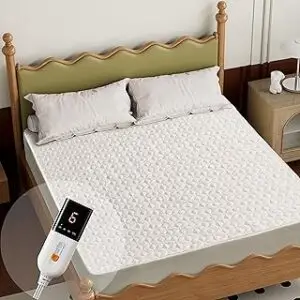
Tired of shivering through another cold winter night? Imagine slipping into a pre-warmed, luxuriously cozy bed that melts away the day’s chill the moment you lie down. A heated mattress pad isn’t just a winter luxury; it’s a smart investment in your comfort, sleep quality, and even your energy bill. Discover the top reasons why this simple addition will transform your cold-weather nights and make your bed the ultimate sanctuary.
Say Goodbye to Cold Sheets: Instant Warmth & Ultimate Comfort
There’s nothing quite like the dread of slipping into a bed with ice-cold sheets on a frigid winter night. You shiver, you tense up, and it takes an eternity for your body heat to warm things up. But what if you could banish that chilly shock forever?
Enter the heated mattress pad. Imagine this: instead of bracing yourself for the cold, you slide into a bed that’s already perfectly pre-warmed, like a cozy embrace. It’s instant warmth that melts away the day’s chill the moment you lie down. No more waiting, no more shivering – just pure, immediate comfort.
The Magic of Pre-Warming
Many heated mattress pads offer a pre-heat function, allowing you to warm your bed to your desired temperature before you even step foot in the room. This means you can come home from a long day and look forward to a sanctuary of warmth, ready and waiting.
This isn’t just about escaping the cold; it’s about elevating your entire sleep experience. The gentle, even heat envelops you, creating a supremely comfortable environment that promotes relaxation and helps you drift off to sleep faster. It transforms your bed from a cold obstacle into an inviting haven of ultimate comfort.
Unlock Deeper Sleep: How Warmth Improves Rest Quality
Beyond just comfort, warmth plays a crucial role in the science of sleep. When your body is warm and cozy, your muscles naturally relax. This isn’t just a feeling; it’s a physiological response that signals to your brain it’s safe to power down.
The gentle, consistent heat from a mattress pad helps to alleviate muscle tension that might have built up during the day. Think of it like a full-body warm compress, easing aches and promoting better blood flow. This state of relaxation is the perfect prelude to sleep, allowing you to drift off faster without the usual struggle of tossing and turning.
Furthermore, maintaining a stable, comfortable temperature throughout the night prevents those disruptive chills that can pull you out of a deep sleep. The result? Fewer night wakings and more time spent in the restorative stages of sleep. By creating an ideal thermal environment, a heated mattress pad doesn’t just make your bed feel good; it actively contributes to improving your overall sleep architecture, ensuring you wake up feeling truly refreshed and revitalized.
Soothe Aches & Pains: Therapeutic Benefits for Your Body
Beyond just making your bed feel good, a heated mattress pad offers genuine therapeutic benefits that can significantly soothe your body. Think of it as a personal, all-night heating pad for your entire body. The gentle, consistent warmth works wonders on stiff muscles and aching joints, providing a comforting embrace that can alleviate everyday discomforts.
For those who regularly experience back pain, muscle soreness, or even conditions like arthritis, the targeted heat can be a true game-changer. It helps to increase blood flow to the affected areas, which in turn can reduce inflammation and promote healing. This isn’t just about masking pain; it’s about creating an environment where your body can genuinely relax and recover.
Consider these specific ways a heated mattress pad can bring relief:
* Muscle Relaxation: The warmth encourages muscles to loosen and unwind, making it perfect after a long day, a strenuous workout, or simply to alleviate chronic tension.
* Joint Comfort: For individuals with stiff or achy joints, the consistent warmth can improve flexibility and reduce discomfort, making it easier to fall asleep and wake up with less pain.
* Improved Circulation: Heat naturally expands blood vessels, promoting better blood flow throughout your body. This can help deliver vital nutrients and oxygen to tired tissues.
* Targeted Relief: Unlike a small heating pad, a heated mattress pad provides warmth across your entire body, offering comprehensive relief from head to toe.
Waking up feeling stiff and sore can set a negative tone for your day. By investing in a heated mattress pad, you’re not just buying comfort; you’re investing in a tool that actively contributes to your physical well-being, helping you wake up feeling more refreshed and less encumbered by aches and pains.
Save on Heating Bills: An Energy-Efficient Way to Stay Warm
Winter often brings with it the unwelcome spike in utility bills, largely driven by the constant demand for central heating. We crank up the thermostat, trying to make our entire homes feel cozy, but this can be incredibly inefficient and expensive. Here’s where a heated mattress pad shines as a surprisingly energy-efficient solution to staying warm.
Instead of heating empty rooms or areas you’re not using, a heated mattress pad focuses warmth directly where you need it most: on your body, in your bed. This targeted approach means you can comfortably lower your home’s thermostat, often by several degrees, without sacrificing your personal comfort at night. Imagine setting your house thermostat to a cooler 60-65°F (15-18°C) while still snuggling into a perfectly warm bed that feels like a tropical escape.
Smart Savings, Superior Comfort
The energy consumption of a heated mattress pad is significantly lower than that of a typical central heating system. While a furnace might draw thousands of watts to warm your entire home, most heated mattress pads operate on a mere 60 to 200 watts per side (for a queen/king size). To put that into perspective:
* Heated Mattress Pad: Roughly equivalent to running a few light bulbs.
*Central Furnace: Can be like running several large appliances simultaneously.
This vast difference in wattage translates directly into substantial savings on your electricity or gas bill. By lowering your thermostat by just a few degrees overnight, you can see a noticeable reduction in your overall energy consumption throughout the colder months. It’s a simple, yet powerful, way to be kinder to your wallet and the environment.
Beyond the cost savings, you’re also enhancing your comfort. You get the best of both worlds: a cooler ambient home temperature (which can actually be healthier for sleep for some) and a deliciously warm bed without the guilt of high energy bills. It’s a smart, modern approach to winter warmth that prioritizes efficiency, comfort, and financial prudence.
Personalized Comfort: Tailor Your Warmth Just Right
One of the most common nightly debates in many households revolves around the thermostat. One partner might be perpetually cold, while the other kicks off the covers, feeling like a human furnace. A heated mattress pad elegantly solves this age-old conundrum by offering unparalleled personalized comfort, allowing you to tailor your warmth just right.
Many queen and king-sized heated mattress pads come equipped with dual controls. This revolutionary feature means that each side of the bed has its own independent temperature setting. No more compromising, no more shivering in silence, and no more overheating your partner! You can set your side to a toasty warm 4 (or whatever your preferred level is), while your partner enjoys a milder 2, creating a perfectly harmonious sleep environment for both of you.
Beyond just dual zones, heated mattress pads offer a spectrum of customization options:
* Multiple Heat Settings: Most pads provide a range of heat levels, from a subtle, gentle warmth to a more intense heat, allowing you to fine-tune your comfort based on the outside temperature or your personal preference on any given night.
* Programmable Timers: Many models include a timer function, letting you set the pad to automatically shut off after a certain number of hours (e.g., 1 to 10 hours). This ensures you stay warm through the crucial initial hours of sleep but don’t overheat as the night progresses, while also conserving energy and providing peace of mind.
* Pre-Heat Functionality: As mentioned, the ability to pre-warm your bed means you can walk into a room and instantly slide into a perfectly cozy haven, exactly how you like it.
This level of individual control transforms your bed into a truly bespoke sleep sanctuary. Whether you’re a cold sleeper, suffer from chilly feet, or simply appreciate the ability to adjust your comfort on a whim, a heated mattress pad ensures that your side of the bed is always exactly how you like it – a personal warmth cocoon designed just for you.
Heated Mattress Pad – Product Comparisons
| Product Category | Key Features to Check | Pros | Cons |
|---|---|---|---|
| Dual Control Heated Mattress Pad (e.g., king/queen with separate left & right controls) | Two separate controllers (one for each side), multiple heat levels, auto shut-off timer, deep mattress pocket fit. (Amazon) | Great for couples with different warmth preferences; customizable. | More complex wiring/controls; higher cost; may be more wires to hide. |
| Heated Mattress Pad King Dual Control | King size dimension (≈ 78×80″), dual zone control, deep pocket fit up to 15–21″, ETL/UL certification. (Amazon) | King size covers larger mattresses; individual side temperature control. | Larger size means more material, higher price; heavier and may take more effort to install. |
| Twin Size Heated Mattress Pad | Twin sized (≈ 38–39″×75″ or 39″×80″), usually single control, heat settings, timer, fit for smaller bed. (Amazon) | Good for single sleepers, kids, guest beds; lower cost. | No dual zone (usually); less material means fewer features. |
| WiFi Heated Mattress Pad | App connectivity (WiFi or Bluetooth), remote control via mobile, dual zone (maybe), similar heat/timer controls. (Amazon) | Convenient remote/voice control; modern tech appeal. | Requires WiFi network; higher price; potential tech issues or firmware updates. |
| Bed Heating Pad / Electric Heated Mattress Pad (General) | Standard electric mattress pad beneath fitted sheet, multiple heat settings, timer/auto shut-off, machine washable. (Amazon) | Good for warming the bed in colder climates; simpler setup. | May lack dual zone; single control may be less flexible for couple; wires could be felt if poorly designed. |
| King Size Electric Heated Mattress Pad | King dimensions, possibly dual control, deep pocket fit, many heat levels. (Amazon) | Same benefits as king dual control; covers large size. | Still same drawbacks: cost, size, wiring complexity. |
| Brand-Specific (e.g., Sealy Heated Mattress Pad) | Brand reputation, typically dual control in higher lines, luxury materials, original features like “luxury quilted” top. (Amazon) | Trusted brand; likely better materials/support. | More expensive; may still have same features—you’re paying brand premium. |
| Budget / Value Brand (e.g., Gotcozy Heated Mattress Pad, Bearhug Electric Heated Mattress Pad) | Affordable price, good basic features (heat settings, timer, deep pocket fit). (Amazon) | Lower cost option; good for simple needs. | May lack advanced features (WiFi, dual zone, luxury fabric); possibly less durable or fewer heat levels. |
Recommended Reading
Weighted Blankets – Do They Really Help You Sleep Better?
Weighted blankets often provide a significant boost to sleep quality for many individuals by utilizing deep pressure stimulation, a therapeutic technique that calms the nervous system. This gentle, consistent pressure can mimic a comforting hug, reducing anxiety, promoting relaxation, and helping users fall asleep faster and stay asleep longer, though individual experiences can vary. Understanding […]
The Benefits Of Sleeping In The Nude
When it comes to improving your sleep quality, most people focus on bedtime routines, comfortable pillows, or the right mattress. But there’s one simple and often overlooked factor that can dramatically improve your rest — your body temperature. And one of the easiest ways to regulate it? Sleeping in the nude. It might sound unconventional, […]
The Ultimate Guide To The Best Pillow For Side Sleepers When it comes to getting a good night’s sleep, your pillow matters just as much as your mattress. For the millions of people who sleep on their sides, finding the best pillow for side sleepers can mean the difference between waking up refreshed or waking […]
Weighted Blankets – Do They Really Help You Sleep Better?
Weighted blankets often provide a significant boost to sleep quality for many individuals by utilizing deep pressure stimulation, a therapeutic technique that calms the nervous system. This gentle, consistent pressure can mimic a comforting hug, reducing anxiety, promoting relaxation, and helping users fall asleep faster and stay asleep longer, though individual experiences can vary.

Understanding Weighted Blankets: What They Are and How They Work
Ever wondered what exactly a weighted blanket is, beyond just being “heavy”? Let’s dive in!
At its core, a weighted blanket is exactly what it sounds like: a blanket designed to be significantly heavier than your average duvet or throw. But it’s not just a bulky piece of fabric. These blankets are typically filled with materials like small glass beads, plastic poly pellets, or even rice/beans (though the latter two are less common in commercial products due to washability concerns). These fillings are evenly distributed throughout the blanket, often sewn into small, quilted compartments, to ensure the weight is spread out consistently across your body. The recommended weight usually ranges from 5% to 15% of your body weight, with 10% often being the sweet spot for most adults.
So, how does this extra weight translate into potential sleep benefits? The science points to something called Deep Pressure Stimulation (DPS), also known as Deep Touch Pressure (DTP). Think of it like a comforting, full-body hug, or the secure feeling of being swaddled as a baby. When the blanket applies gentle, even pressure across your body, it’s believed to activate the parasympathetic nervous system – your body’s “rest and digest” mode.
This activation is thought to:
* Increase the production of serotonin: A natural mood stabilizer that can help you feel calm and content.
* Boost melatonin: The hormone responsible for regulating your sleep-wake cycle. More melatonin generally means better sleep signals to your brain.
* Decrease cortisol: The primary stress hormone. Lower cortisol levels can reduce feelings of anxiety and promote relaxation.
In essence, the blanket’s weight provides a sensory input that many find incredibly soothing and grounding, mimicking the feeling of being held or embraced. This physical sensation can help quiet an overactive mind, reduce restlessness, and prepare your body for a more peaceful transition into sleep.
The Science Behind the Squeeze: Deep Pressure Stimulation Explained
The core of a weighted blanket’s soothing power lies in Deep Pressure Stimulation (DPS), often referred to as Deep Touch Pressure (DTP). This isn’t just any touch; it’s a firm, consistent, and gentle pressure distributed evenly across the body, much like a therapeutic hug or the comforting pressure used in swaddling infants.
When your body receives this specific type of sensory input, it triggers a fascinating physiological response. Our autonomic nervous system has two main branches:
* The Sympathetic Nervous System: This is your “fight or flight” response, kicking in during stress, anxiety, or perceived danger. It increases heart rate, boosts cortisol (the stress hormone), and keeps you alert.
* The Parasympathetic Nervous System: This is your “rest and digest” mode. It slows your heart rate, lowers blood pressure, and promotes a sense of calm and well-being.
DPS works by activating the parasympathetic nervous system, effectively hitting the ‘off switch’ on your body’s stress response. The consistent pressure sends signals to your brain that it’s safe to relax, dampening the activity of the sympathetic system.
This shift in neurological balance leads to a cascade of beneficial effects:
* Neurotransmitter Boost: The activation of the parasympathetic system is linked to an increase in the production of serotonin, a crucial neurotransmitter known for regulating mood, happiness, and well-being. Serotonin is also a precursor to melatonin, the body’s natural sleep hormone. More serotonin means more building blocks for melatonin, aiding in the regulation of your sleep-wake cycle.
* Stress Hormone Reduction: Simultaneously, DPS helps to decrease cortisol levels. Lowering this primary stress hormone directly combats feelings of anxiety and hyperarousal, making it easier for your mind and body to unwind.
In essence, the weighted blanket provides a powerful, non-pharmacological way to signal safety and relaxation to your brain, allowing your body to transition from a state of alertness to one of peaceful rest and readiness for sleep.
Weighted Blankets for Sleep Quality: Examining the Research on Insomnia and Sleep Disturbances
So, with the compelling theory of Deep Pressure Stimulation in mind, does the science back up the claims that weighted blankets genuinely improve sleep quality, especially for those battling insomnia or other sleep disturbances?
While anecdotal evidence abounds – countless users swear by their weighted blankets for a more restful night – the scientific research, though growing, is still catching up. It’s an exciting field, and early studies offer promising insights:
* Targeting Insomnia: Several smaller studies have explored the impact of weighted blankets on individuals with chronic insomnia. One notable study, published in the *Journal of Clinical Sleep Medicine* in 2020, found that participants using a weighted blanket reported significantly reduced sleep latency (the time it takes to fall asleep) and fewer awakenings during the night, leading to an overall improvement in sleep quality compared to those using a control blanket. The participants also reported feeling more refreshed in the morning.
* Anxiety and Stress-Related Sleep Issues: Given that DPS is believed to activate the parasympathetic nervous system and reduce cortisol, it’s not surprising that research often focuses on anxiety’s role in sleep. Studies on individuals with anxiety disorders or high stress levels have indicated that weighted blankets can help reduce physiological signs of stress, such as heart rate and blood pressure, potentially creating a calmer state conducive to sleep. This aligns with the idea that by calming an overactive mind, the body is better prepared for rest.
* Specific Populations: Weighted blankets have long been used in therapeutic settings for individuals with conditions like Autism Spectrum Disorder (ASD), ADHD, and sensory processing disorder, where sensory input can be dysregulating. For these populations, the deep pressure can be incredibly grounding, helping to mitigate restlessness and sensory overload that often contribute to sleep difficulties. Research in these areas has shown encouraging results regarding improved sleep patterns and reduced nighttime awakenings.
It’s important to temper expectations with the current state of research. Many of the existing studies are relatively small in scale, and more large-scale, placebo-controlled trials are needed to definitively establish the efficacy of weighted blankets for general insomnia and sleep disturbances across broader populations. Furthermore, individual responses can vary greatly; what works wonders for one person might not have the same effect on another.
However, the consistent theme emerging from both user experiences and preliminary research is that for many, the gentle, constant pressure of a weighted blanket provides a unique sense of security and calm. This physical comfort can be a powerful tool in quieting the mind and body, making the transition to sleep smoother and potentially leading to a deeper, more restorative night’s rest. While not a universal cure, they represent a promising non-pharmacological approach to improving sleep quality for a significant number of people.
Targeting Anxiety and Stress: Do Weighted Blankets Offer Relief?
Beyond just helping you drift off, a significant appeal of weighted blankets lies in their potential to soothe an anxious mind and calm a stressed body. This isn’t just a happy coincidence; it’s directly tied to the mechanics of Deep Pressure Stimulation (DPS).
When you’re feeling anxious or stressed, your sympathetic nervous system (our “fight or flight” response) is often in overdrive. This ramps up your heart rate, increases muscle tension, and floods your system with stress hormones like cortisol. It’s a state of heightened alert that makes relaxation, let alone sleep, incredibly difficult.
Enter the weighted blanket. The consistent, gentle pressure it applies acts as a powerful signal to your brain, activating your parasympathetic nervous system – the body’s natural “rest and digest” mode. This shift in neurological balance is key to unwinding.
Here’s how it helps combat anxiety and stress:
* Cortisol Reduction: One of the most significant benefits is the potential to lower cortisol levels. By dampening the “fight or flight” response, the blanket encourages your body to release its grip on stress, leading to a tangible sense of relaxation.
* Neurotransmitter Balance: The activation of the parasympathetic system is also linked to an increase in calming neurotransmitters. Specifically, it can boost serotonin, a natural mood stabilizer that promotes feelings of well-being and contentment. Serotonin, in turn, is a precursor to melatonin, the sleep hormone, further aiding the transition to a relaxed state ready for sleep.
* Physiological Calm: Studies have indicated that the use of weighted blankets can lead to reduced physiological signs of stress, such as a decrease in heart rate and blood pressure. This physical calming effect helps to quiet the internal alarm bells that often accompany anxiety.
* Grounding Sensation: Many users describe the feeling of a weighted blanket as being “grounding” or “held.” This consistent sensory input can help to disrupt repetitive anxious thoughts and bring focus back to the present moment, creating a sense of security and safety. It’s akin to the comforting embrace that can instantly diffuse tension.
While more extensive research is always ongoing, preliminary studies and a vast amount of anecdotal evidence strongly suggest that for many, weighted blankets offer a tangible, non-pharmacological way to manage daily stress and anxiety. By providing a secure, comforting cocoon, they help to downshift an overactive nervous system, making it easier to shed the day’s worries and prepare for a truly restorative night’s sleep.

Who Can Benefit Most? Exploring Specific Conditions and User Experiences
While weighted blankets offer a comforting embrace for many, certain individuals and conditions appear to benefit most significantly from their unique therapeutic properties. It’s not a one-size-fits-all solution, but for those facing specific challenges, a weighted blanket can be a game-changer.
For the Anxious and Stressed Mind
Perhaps the largest group to find profound relief are those grappling with anxiety, chronic stress, or generalized worry. As we’ve explored, the Deep Pressure Stimulation (DPS) provided by the blanket directly targets the sympathetic nervous system, helping to calm the “fight or flight” response.
* Generalized Anxiety Disorder (GAD): Many users with GAD report that the blanket helps to quiet racing thoughts and reduce the physical manifestations of anxiety, such as restlessness and muscle tension, making it easier to unwind before bed.
* High-Stress Lifestyles: For individuals with demanding jobs or high-stress environments, the blanket can serve as a powerful signal to the body that it’s time to switch off and relax, providing a much-needed mental break.
Battling Insomnia and Sleep Disturbances
While not a cure-all, weighted blankets have shown particular promise for those who struggle to fall asleep or stay asleep.
* Chronic Insomnia: Users often report a noticeable reduction in the time it takes to drift off (sleep latency) and fewer nighttime awakenings. The consistent pressure helps create a secure environment, minimizing the urge to toss and turn.
* Restless Leg Syndrome (RLS) and General Restlessness: Some individuals with RLS or a general inability to stay still in bed find the weight grounding. It can help to contain limb movements and provide a sense of stability, allowing for a more peaceful sleep.
Supporting Neurodevelopmental Conditions
Weighted blankets have a long-standing history in therapeutic settings, particularly for individuals with certain neurodevelopmental differences where sensory input plays a crucial role.
* Autism Spectrum Disorder (ASD): Many individuals on the autism spectrum experience sensory processing differences. The deep pressure from a weighted blanket can be incredibly regulating and calming, helping to reduce sensory overload and provide a sense of security, which often translates to improved sleep patterns and reduced nighttime meltdowns.
* Attention-Deficit/Hyperactivity Disorder (ADHD): For those with ADHD, the constant internal “buzz” and difficulty with self-regulation can make falling asleep a challenge. The grounding sensation of a weighted blanket can help to quiet an overactive mind and body, providing the necessary sensory input to focus on relaxation rather than internal distractions.
* Sensory Processing Disorder (SPD): Individuals with SPD may be either over-responsive or under-responsive to sensory input. For many, the deep pressure provides the specific type of calming input their nervous system craves, helping them feel more organized and less overwhelmed, ultimately facilitating better sleep.
Anyone Seeking a Deeper Sense of Calm
Beyond specific diagnoses, many everyday users find profound benefit. If you’re someone who:
* Struggles to “turn off” your brain at night: The blanket can provide a physical anchor that helps shift focus away from mental chatter.
* Craves a feeling of security and comfort: It mimics the sensation of being held or hugged, which is inherently soothing for many.
* Experiences general restlessness or difficulty settling down: The gentle pressure can help reduce fidgeting and encourage stillness.
Ultimately, while scientific research continues to grow, the widespread anecdotal evidence from countless users highlights the weighted blanket’s potential as a simple yet powerful tool for improving sleep quality and fostering a greater sense of calm, especially for those whose minds and bodies struggle to find peace.
Are Weighted Blankets Safe? Important Considerations and Contraindications
While the concept of a weighted blanket is generally safe and beneficial for many, it’s crucial to approach their use with awareness and caution. They are not a one-size-fits-all solution, and certain individuals should either avoid them or consult with a healthcare professional before incorporating one into their routine.
Key Considerations for Safe Use
The primary safety concern revolves around weight. A blanket that is too heavy can be counterproductive and even dangerous.
* Weight Matters: As a general rule, a weighted blanket should be no more than 10-12% of your body weight. For children, this percentage is often lower, and it’s essential to consult a pediatrician. An overly heavy blanket can restrict movement, cause discomfort, or, in severe cases, impede breathing. You should *always* be able to easily remove the blanket yourself without assistance.
* Ability to Remove: This is paramount. Anyone using a weighted blanket, regardless of age, must be strong enough to push the blanket off themselves if they feel uncomfortable or need to move. This makes them unsuitable for infants, toddlers, or individuals with severely limited mobility.
* Breathability and Temperature: While the weight is key, the material also plays a role. Some weighted blankets can trap heat, which might be uncomfortable for those who tend to overheat at night. Look for breathable fabrics like cotton or bamboo, and consider options with glass bead fillings over plastic pellets for better temperature regulation.
When to Exercise Caution (Contraindications)
Certain medical conditions or circumstances make weighted blankets potentially unsafe. If you fall into any of these categories, it’s vital to consult your doctor before trying a weighted blanket:
* Respiratory Issues: Individuals with conditions that affect breathing, such as asthma, sleep apnea, chronic obstructive pulmonary disease (COPD), or other respiratory illnesses, should avoid weighted blankets. The added pressure on the chest could exacerbate breathing difficulties.
* Circulatory Problems: If you have conditions like poor circulation, blood clots, or fragile blood vessels, the consistent pressure might pose a risk.
* Temperature Regulation Issues: People who struggle to regulate their body temperature due to medical conditions or medications might find weighted blankets uncomfortable or even dangerous if they lead to overheating.
* Skin Fragility or Open Wounds: The constant pressure could potentially worsen conditions involving fragile skin, pressure sores, or healing wounds.
* Claustrophobia: While not a physical contraindication, individuals prone to claustrophobia might find the contained feeling of a weighted blanket anxiety-inducing rather than calming.
* Mobility Limitations: As mentioned, anyone who cannot easily remove the blanket themselves (e.g., due to paralysis, severe weakness, or post-surgical recovery) should not use a weighted blanket.
* Very Young Children and Infants: Weighted blankets are NOT safe for infants and toddlers. The risk of suffocation is extremely high, as they may not have the strength or coordination to remove the blanket if it covers their face or restricts their breathing. Always follow age and weight guidelines strictly.
In summary, while weighted blankets offer a unique path to relaxation and improved sleep for many, responsible use is key. Always prioritize safety, choose the correct weight, and when in doubt, consult with a healthcare professional to ensure it’s the right choice for your individual health needs.

Choosing the Right Weighted Blanket: A Practical Guide
So, you’re convinced a weighted blanket might be your ticket to dreamland. But with so many options out there, how do you pick the perfect one? Choosing the right blanket is crucial not just for comfort and effectiveness, but also for safety. Here’s a practical guide to help you make an informed decision:
1. Get the Weight Right (This is Key!)
This is the most critical factor. A blanket that’s too light won’t provide enough Deep Pressure Stimulation (DPS), and one that’s too heavy can be uncomfortable, restrictive, or even unsafe.
* The 10% Rule: The widely recommended guideline is to choose a blanket that’s approximately **10% of your body weight**. So, if you weigh 150 lbs, a 15 lb blanket is a good starting point.
* Adjust for Preference: Some people prefer slightly less (around 8%) or slightly more (up to 12-15%), but always ensure you can easily lift and remove the blanket yourself without struggle.
* For Children: The 10% rule can be too high for children. Always consult a pediatrician, but generally, children’s blankets are lighter, often in the 3-8 lb range, and they *must* be able to remove it independently. Never use a weighted blanket for infants or toddlers.
* Sharing? If two people are sharing a blanket, consider the combined weight, but often it’s better for each person to have their own appropriately weighted blanket for optimal individual benefit.
2. Consider the Size
Weighted blankets come in various sizes, often corresponding to standard bed dimensions (twin, full, queen, king).
* Individual Use: If it’s just for you, a blanket that covers your body (e.g., a twin size for a queen bed if you sleep alone) is often ideal. This concentrates the weight more effectively.
* Bed Size Match: If you want it to drape over the sides of your bed like a regular comforter, choose a size that matches your mattress. Be aware that the weight will be distributed over a larger area, potentially feeling less intense.
* No Overhang: Ideally, the weighted portion of the blanket shouldn’t hang too far off the sides of the bed, as this can pull the blanket off during the night.
3. Explore Filling Materials
The “weight” in a weighted blanket comes from its internal filling. Different materials offer different experiences.
* Glass Beads: These are tiny, sand-like beads. They are generally preferred as they are:
* Denser: Allowing for a thinner blanket profile.
* Quieter: Less likely to shift and make noise.
* Cooler: They don’t retain heat as much as plastic.
* Often found in higher-quality, more expensive blankets.
* Plastic Poly Pellets: These are small, pea-sized plastic beads. They are:
* More Affordable: Common in budget-friendly options.
* Bulkier/Noisier: Can shift around more and create a subtle rustling sound.
* Retain Heat: May feel warmer than glass beads.
* Sand/Rice/Beans: You might see these in DIY blankets. Avoid commercial blankets with these fillings as they are difficult to clean, prone to mold, and can attract pests.
Look for Even Distribution: Regardless of the filling, ensure the blanket has small, quilted compartments or pockets. This prevents the filling from clumping in one area and ensures the weight is evenly distributed across your body.
4. Choose the Right Outer Material (Fabric)
The fabric of your weighted blanket (or its removable cover) impacts comfort, temperature regulation, and feel.
* Cotton: A popular choice for its breathability, durability, and softness. Good for year-round use.
* Bamboo: Excellent for hot sleepers. Bamboo fabric is incredibly soft, breathable, and has moisture-wicking properties, helping to keep you cool.
* Minky/Fleece: Super soft, plush, and warm. Ideal for cold climates or those who tend to feel chilly at night.
* Linen: Known for its durability and natural breathability, offering a slightly textured feel.
* Removable Covers: Highly recommended! A removable, washable cover makes cleaning much easier and extends the life of your blanket. You can often buy multiple covers to swap out based on season or preference.
5. Consider Care and Maintenance
Weighted blankets can be heavy and bulky, making washing a challenge.
* Check Washing Instructions: Always look at the care label before purchasing. Some blankets are machine washable, while others require spot cleaning or professional dry cleaning.
* Removable Covers are Your Friend: As mentioned, a blanket with a removable, washable cover is a huge convenience. This allows you to easily keep your sleeping environment fresh without having to wash the entire heavy blanket.
6. Set Your Budget
Weighted blankets vary widely in price, from under $50 to several hundred dollars, depending on size, filling, fabric, and brand. Consider it an investment in your sleep and well-being. Read reviews and compare features to find the best value for your needs.
7. Look for a Trial Period/Return Policy
Since personal preference plays a significant role in the effectiveness of a weighted blanket, look for brands that offer a trial period or a generous return policy. This allows you to test it out in your own sleep environment and ensure it’s the right fit for you.
By carefully considering these factors, you can select a weighted blanket that not only feels comfortable and safe but also provides the optimal Deep Pressure Stimulation to help you achieve the restful, restorative sleep you deserve.
The Verdict: Do Weighted Blankets Truly Improve Sleep and Reduce Anxiety?
After exploring the mechanics of Deep Pressure Stimulation (DPS), delving into the emerging scientific research, and understanding who stands to benefit most, we arrive at the crucial question: Do weighted blankets truly live up to their hype?
The verdict, while nuanced, is overwhelmingly positive for a significant number of users.
At its core, the effectiveness of a weighted blanket lies in its ability to harness Deep Pressure Stimulation. This gentle, consistent pressure acts as a powerful signal to your nervous system, effectively activating your “rest and digest” mode (the parasympathetic nervous system) and dialing down your “fight or flight” response (the sympathetic nervous system). This physiological shift is the foundation for their calming power, leading to:
* Increased serotonin and melatonin: Promoting feelings of well-being and signaling to your body that it’s time for sleep.
* Decreased cortisol: Reducing the primary stress hormone that keeps you wired and anxious.
* A profound sense of security and grounding: Mimicking the comforting feeling of a hug or being swaddled.
Does the science back it up? While the research is still evolving and many studies are small-scale, the preliminary findings are highly encouraging. Studies have shown:
* Reduced sleep latency: Helping people fall asleep faster.
* Fewer nighttime awakenings: Leading to more consolidated sleep.
* Lower physiological signs of stress: Such as reduced heart rate and blood pressure.
* Significant benefits for specific populations: Especially those with anxiety, ADHD, ASD, or sensory processing disorders, who often find the deep pressure incredibly regulating and calming.
Beyond the scientific papers, the sheer volume of anecdotal evidence is compelling. Millions of individuals worldwide swear by their weighted blankets, reporting a noticeable improvement in their ability to relax, quiet a restless mind, and drift into a deeper, more restorative sleep. For many, it’s become an indispensable tool in their nightly routine, providing a tangible sense of comfort and a physical anchor that helps them shed the day’s stresses.
It’s important to manage expectations. Weighted blankets are not a universal cure-all for every sleep issue, and individual responses can vary. What works wonders for one person might not have the same profound effect on another. Moreover, they are a non-pharmacological aid, meaning they complement a healthy sleep hygiene routine rather than replacing it.
The final takeaway? For those struggling with anxiety, chronic stress, difficulty falling asleep, or simply a restless mind at night, a weighted blanket offers a promising, safe, and drug-free approach to improving sleep quality and fostering a greater sense of calm. By providing that consistent, comforting embrace, they help many individuals transition from a state of alertness to one of peaceful rest, making the journey to dreamland a little smoother and a lot more serene. If you’ve been on the fence, and you’ve considered the safety guidelines, it might just be the comforting solution you’ve been searching for.
Recommended Reading
The Benefits Of Sleeping In The Nude
When it comes to improving your sleep quality, most people focus on bedtime routines, comfortable pillows, or the right mattress. But there’s one simple and often overlooked factor that can dramatically improve your rest — your body temperature. And one of the easiest ways to regulate it? Sleeping in the nude. It might sound unconventional, […]
The Ultimate Guide To The Best Pillow For Side Sleepers When it comes to getting a good night’s sleep, your pillow matters just as much as your mattress. For the millions of people who sleep on their sides, finding the best pillow for side sleepers can mean the difference between waking up refreshed or waking […]
Comfortable Mattress and Pillow: Sleep Better Tonight
A comfortable mattress and pillow are the foundation of restful sleep, providing the support your body needs to relax, recover, and wake up refreshed. Comfortable Mattress and Pillow: The Foundation of Quality Sleep When it comes to better sleep, most people focus on bedtime routines, relaxation habits, or limiting caffeine. While all of these matter, […]
The Benefits Of Sleeping In The Nude
When it comes to improving your sleep quality, most people focus on bedtime routines, comfortable pillows, or the right mattress. But there’s one simple and often overlooked factor that can dramatically improve your rest — your body temperature.
And one of the easiest ways to regulate it? Sleeping in the nude.

It might sound unconventional, but research and sleep experts agree: ditching the pajamas can help you fall asleep faster, stay asleep longer, and even improve your health in surprising ways. Let’s explore how sleeping without clothes affects body temperature, hormones, and overall sleep quality plus tips for creating the ideal sleep environment.
Why Body Temperature Plays a Crucial Role in Sleep
Your body’s temperature naturally fluctuates throughout the day. It’s part of your circadian rhythm, the internal clock that governs your sleep-wake cycle.
* During the day, your core temperature stays higher to keep you alert.
* As evening approaches, it begins to drop — signaling to your brain that it’s time to wind down.
* This cooling effect helps trigger melatonin production, the hormone that promotes sleepiness.
If your body stays too warm at night, it interferes with this natural process. You may toss and turn, wake up repeatedly, or fail to enter deep, restorative stages of sleep.
That’s where sleeping in the nude can make a major difference.
The Science-Backed Benefits of Sleeping in the Nude
1. Helps Regulate Core Body Temperature
Sleeping without clothing allows your body heat to dissipate more easily. Pajamas, especially tight or heavy ones, trap warmth against your skin, preventing your temperature from dropping as it should.
By keeping your body slightly cooler — typically around 65°F to 68°F (18°C to 20°C) — you promote deeper, more restful sleep.
2. Improves Sleep Quality and Duration
When your body can cool naturally, you fall asleep faster and spend more time in slow-wave sleep (deep sleep) and REM sleep — both critical for recovery, memory, and mood regulation.
Studies have shown that even slight increases in bedroom or body temperature can cause fragmented sleep or early awakenings.
3. Boosts Skin Health and Circulation
Sleeping in the nude allows your skin to breathe and promotes better blood circulation. It can also reduce irritation or breakouts caused by tight-fitting fabrics, sweat, or friction during the night.
4. Supports Hormone Balance and Reproductive Health
For both men and women, lower nighttime body temperature supports hormonal regulation.
* Men: Cooler temperatures promote healthy testosterone production and can improve sperm quality.
* Women: Reduced body heat may ease night sweats, particularly during hormonal fluctuations or menopause.
5. Strengthens Relationship Intimacy
If you share a bed, sleeping in the nude can increase physical touch and skin contact, which boosts oxytocin, the “love hormone.” Oxytocin helps reduce stress, lower blood pressure, and enhance emotional connection — all of which contribute to more relaxed, peaceful sleep.
6. Reduces Night Sweats and Overheating
People who naturally sleep hot (or use heavy blankets) benefit most from ditching layers. Without fabric trapping heat, your body stays cooler and less prone to sweating or discomfort throughout the night.
How Sleeping Temperature Affects Sleep Quality
Even if you prefer wearing light pajamas, your sleep temperature — both internal and environmental — has one of the greatest impacts on how well you rest.
💤 The Ideal Sleep Temperature
According to sleep experts, the optimal bedroom temperature for adults is around 65°F (18°C).
* Cooler temperatures help lower core body heat.
* Warmer rooms interfere with the natural cooling process, causing restlessness.
* Temperatures below 60°F (15°C) may make it difficult to stay asleep, as the body works too hard to stay warm.
If you’ve ever woken up sweaty, kicked off the covers, or found yourself cold after overheating, your sleep temperature likely needs adjustment.
🌙 The Sleep Temperature Cycle
Your body temperature drops by about 1–2°F as you fall asleep and continues cooling until early morning. Around dawn, it starts to rise again to prepare you for waking.
Disruptions to this cooling cycle — from too many blankets, synthetic pajamas, or a hot bedroom — can cause shallow sleep or multiple awakenings.
Sleeping in the nude allows the body to follow its natural rhythm freely, without thermal interference.
Practical Tips For Creating The Perfect Sleep Environment
Whether you sleep in the nude or prefer lightweight pajamas, optimizing your environment makes all the difference.
1. Set the Right Room Temperature
Use a thermostat or smart climate control to keep your room between 60–68°F (15–20°C). Experiment within that range to find your comfort zone.
2. Choose Breathable Bedding
Opt for cotton, bamboo, or linen sheets that wick moisture and allow air circulation. Avoid heavy or synthetic fabrics that trap heat.
3. Upgrade Your Mattress and Pillow
Cooling mattresses, gel-infused memory foam, or breathable latex help regulate body heat throughout the night. Pair with a supportive, breathable pillow for maximum comfort.
4. Limit Electronics and Heat Sources
Devices like TVs, laptops, or even LED lights give off heat and disrupt melatonin. Keep them off or out of the bedroom.
5. Take a Warm Shower Before Bed
This might sound counterintuitive, but a warm shower followed by cool air helps your body temperature drop quickly afterward — a signal to your brain that it’s time to sleep.
6. Use a Lightweight Blanket
If you’re uncomfortable sleeping in the nude, use a light, breathable blanket instead of heavy duvets or comforters.
Who Should Avoid Sleeping In The Nude?
While it’s beneficial for most people, sleeping naked may not suit everyone.
* If you get cold easily: Light cotton or moisture-wicking sleepwear may help maintain warmth without overheating.
* If you share a bed with children or roommates: Pajamas might feel more appropriate or hygienic.
* If you live in cold climates: Consider thermal bedding or a heated mattress pad instead of sleeping nude year-round.
Ultimately, the goal is comfort – not discomfort in the name of better sleep.
Additional Benefits Beyond Sleep
The benefits of sleeping in the nude extend beyond better rest. Many people report improvements in mood, confidence, and even metabolism:
* Better metabolic regulation: Cooler sleep conditions help maintain insulin sensitivity and calorie balance.
* Reduced anxiety and stress: Cooler environments and increased oxytocin promote calmness.
* Improved morning energy: More consistent, deeper sleep leads to easier wake-ups.
Common Myths About Sleeping In The Nude
* Myth 1: “You’ll catch a cold.”
❌ False — colds are caused by viruses, not cool air. As long as your room isn’t freezing, you’ll be fine.
* Myth 2: “It’s unhygienic.”
✅ Manage hygiene with regular showers and clean sheets. In fact, sleeping in the nude can help prevent trapped sweat and bacteria from pajamas.
* Myth 3: “It’s uncomfortable.”
✅ Many people need just a few nights to adjust — afterward, they often find it hard to go back to sleeping clothed.
Final Thoughts
Sleeping in the nude isn’t just about comfort — it’s about biology. Your body sleeps best when it’s slightly cool, and removing clothing allows it to regulate temperature naturally. By combining this with breathable bedding, a cool bedroom, and minimal layers, you can dramatically improve both sleep quality and overall health.
So tonight, consider leaving the pajamas on the chair and letting your body rest the way nature intended — cool, comfortable, and completely free.
Your future, well-rested self will thank you.
Recommended Reading
The Ultimate Guide To The Best Pillow For Side Sleepers When it comes to getting a good night’s sleep, your pillow matters just as much as your mattress. For the millions of people who sleep on their sides, finding the best pillow for side sleepers can mean the difference between waking up refreshed or waking […]
Why Coffee Makes Some People Sleepy and Others Wide Awake
Discover why coffee makes some people sleepy while others stay awake. Learn how caffeine, genetics, and metabolism affect your sleep. Coffee Makes Some People Sleepy — Here’s Why Caffeine Doesn’t Affect Everyone The Same Most of us think of coffee as a quick pick-me-up—the drink we reach for when we want to stay alert, power […]
Comfortable Mattress and Pillow: Sleep Better Tonight
A comfortable mattress and pillow are the foundation of restful sleep, providing the support your body needs to relax, recover, and wake up refreshed. Comfortable Mattress and Pillow: The Foundation of Quality Sleep When it comes to better sleep, most people focus on bedtime routines, relaxation habits, or limiting caffeine. While all of these matter, […]
Short Naps Only: Boost Energy Without Losing Sleep
Short naps are a simple yet powerful way to recharge your energy, boost focus, and improve productivity without disrupting your nighttime sleep. Short Naps Only: How Power Naps Can Improve Energy Without Ruining Sleep For many people, the mid-afternoon slump is real. Energy dips, focus fades, and eyelids feel heavy. Reaching for a cup of […]
Best Pillow For Side Sleepers
The Ultimate Guide To The Best Pillow For Side Sleepers
When it comes to getting a good night’s sleep, your pillow matters just as much as your mattress. For the millions of people who sleep on their sides, finding the best pillow for side sleepers can mean the difference between waking up refreshed or waking up with nagging neck, shoulder, or back pain.
As a side sleeper, the right pillow is crucial for maintaining proper spinal alignment and achieving pain-free, restorative sleep. The right design cradles your head and neck, banishes discomfort, and helps unlock the deep, sound rest your body needs.
In this comprehensive guide, we’ll cover everything you need to know:
* Why Spinal Alignment Matters: How the right pillow supports a neutral spine and prevents strain.
*Pillow Types & Materials: From memory foam to body pillows, explore the options best suited for side sleepers.
*Loft & Firmness: How to select the correct height and support level for your body type and mattress.
*Specialized Solutions: The best pillows for side sleepers with neck pain, shoulder pain, or back issues.
*Trending & Expert Picks: From Reddit recommendations to Consumer Reports favorites, plus the latest pillow designs for 2025.
Whether you’re searching for the best pillow for side sleepers with back pain, wondering what firmness works best, or looking for real-world tested options, you’ll find everything you need right here.
Why Side Sleepers Need Special Pillows
Side sleeping is one of the healthiest positions – it helps reduce snoring, supports spinal alignment, and may even improve digestion. But it also creates pressure points at the shoulders, hips, and neck. Without the right pillow, side sleepers often wake up with stiffness, soreness, or disrupted sleep.
Here’s why pillow choice is crucial:
* Neck alignment: A pillow that’s too flat can cause your head to droop, straining the neck. Too high, and it pushes the head upward, creating misalignment.
*Shoulder support: Side sleeping puts body weight on one shoulder; the right pillow helps relieve pressure.
*Spinal balance: A supportive pillow keeps the head, neck, and spine in neutral alignment, reducing pain.
That’s why sleep experts recommend choosing a pillow designed specifically for side sleepers.
Why Spinal Alignment Matters For Side Sleepers
Optimal spinal alignment is the cornerstone of restorative sleep. When your head and neck are properly supported, your spine remains in a neutral position, preventing strain on the muscles and joints. For side sleepers, who naturally create a gap between the shoulder and the mattress, the pillow must fill this space without collapsing.
Failing to maintain alignment can lead to:
*Morning neck stiffness.
*Shoulder discomfort from excess pressure.
*Long-term posture problems.
Choosing the best pillow for side sleepers isn’t just about comfort—it’s about ensuring your body is supported for long-term health.
KUCEY Shoulder & Side Sleeper Pillow (Shredded Memory Foam, Adjustable)
 This pillow uses shredded memory foam in a crescent shape, which allows adjustability of loft and firmness.
Pros: adjustable fill lets users tune height and firmness; shredded foam stays airier; the curved shape helps hug around the shoulder zone.
Cons: shredded foam sometimes shifts or clumps; if overstuffed, might feel too firm; some users prefer solid foam contour pillows for consistent support.
What Type of Pillow Is Best For Side Sleepers?
The best pillow for side sleepers typically offers medium-to-firm support with enough loft (height) to fill the space between your head and the mattress. Here are the main types:
1. Memory Foam Pillows
* Conform to the shape of your head and neck.
*Great for targeted support.
2. Latex Pillows
*Naturally supportive and breathable.
*More durable than memory foam.
*Excellent if you want both firmness and airflow.
3. Feather or Down Pillows
*Softer and adjustable.
*Work best if you prefer a plush feel, though may lack firm support.
4. Body Pillows
*Provide full-body support.
*Ideal for side sleepers who like hugging a pillow or need hip / leg alignment.
5. Knee Pillows
*Placed between knees to reduce hip and lower back strain.
*Recommended for people searching for what is the best knee pillow for side sleepers.
Contour Legacy Cool Leg & Knee Foam Support Pillow
 This is a cooler variant with added gel or “cool layer” properties (gel memory foam + breathable cover) to help with temperature regulation.
Pros: all the alignment benefits of the original plus better heat dissipation, reduces tendency to overheat.
Cons: the cooling benefits may not be dramatic in very warm rooms; still the same shape so the same caveats on fit and knee separation apply.
What Pillow Firmness Is Best For Side Sleepers?
Firmness is one of the most common questions. The truth is:
* Medium-firm to firm pillows are usually the best choice for side sleepers because they provide consistent support.
*Softer pillows may feel comfortable at first but often flatten, leading to misalignment.
*If you experience shoulder or neck pain, a firmer pillow will help maintain proper support through the night.
Ultra Pain Relief Adjustable Cervical Pillow

This pillow features adjustable memory foam, a hollow / concave design to cradle the head, and six contour zones, plus a cooling cover.
Pros: customizable height, versatile contour zones, cooling cover, good support for side sleepers.
Cons: size may not suit smaller frames; as one reviewer noted, “neck and ears still hurt” for some users.
Key Pillow Features Side Sleepers Should Look For
Not every pillow is designed for side sleepers. To avoid trial-and-error frustration, focus on these key pillow features:
1. Loft (Height):
*Side sleepers generally need 4–6 inches of loft.
*Too low = neck droops down.
*Too high = head is pushed upward.
2. Firmness:
*Medium-firm to firm ensures your pillow holds its shape overnight.
*Prevents flattening that can cause misalignment.
3. Fill Material:
* Memory foam – contours to your unique shape.
*Latex – supportive, breathable, and durable.
*Down / feather – plush but may lack consistent support.
*Adjustable fill blends – customizable to body size and mattress type.
By focusing on loft, firmness, and fill, you’ll narrow in on what pillow is best for your side-sleeping needs.
Key Factors To Consider Before Buying
1. Loft (Height) – Aim for 4–6 inches for proper alignment.
2. Material – Memory foam, latex, or hybrid designs work best.
3. Firmness – Medium-firm is the sweet spot for most.
4. Breathability – Gel or ventilated foam helps hot sleepers.
5. Budget – Options exist for under $50, but high-end pillows may last longer.
Best Pillow For Side Sleepers In 2025
Each year, brands release improved versions of their products, with better materials and new designs. Searches like best pillow for side sleepers 2025 or even best pillow for side sleepers 2024 reflect the ongoing demand for up-to-date recommendations.
If you’re shopping now, make sure to check for:
*Warranty and trial periods.
*Materials (organic, hypoallergenic, breathable).
*Adjustability (removable foam layers or filling).
Beckham Hotel Collection (2-Pack, Down Alternative)

While not “specialty” side-sleeper pillows, they are a good value set with decent loft and plushness.
Pros: soft but somewhat supportive; good for sleepers who want more cushioning rather than strong structure.
Cons: may not provide ideal neck alignment for side sleepers with broad shoulders; down alternatives tend to compress over time.
How To Choose The Right Option
| Need / Concern | Best Pick | Why |
|---|---|---|
| Structured alignment for knees and hips | Contour Legacy Leg & Knee Foam Support Pillow | Ergonomic hourglass design keeps legs, hips, and spine aligned — ideal for relieving pressure and sciatica pain. |
| Cooler comfort for leg alignment | Contour Legacy Cool Leg & Knee Foam Pillow | Adds gel-infused cooling layer and breathable cover for those who overheat while sleeping on their side. |
| Full-body cradling and pregnancy support | Momcozy U-Shaped Full Body Pillow | Supports the entire body from head to feet — perfect for side sleepers who want total-body comfort or need maternity support. |
| Soft, plush comfort at an affordable price | Beckham Hotel Collection Down Alternative Pillow (2-Pack) | Provides a cloud-like feel with gentle support; ideal for side sleepers who prefer a softer pillow without spending much. |
| Targeted neck and shoulder alignment | Derila Cervical Memory Foam Pillow | Contoured design keeps the neck in a neutral position and minimizes morning stiffness or neck pain. |
| Wraparound comfort for side-sleeping and pregnancy | DMI U-Shaped Contoured Pillow | Provides U-shaped support for back, belly, and knees — great for people who change sides through the night. |
| Orthopedic contour for deep cervical support | C Cushion Lab Deep Sleep Pillow | Scientifically contoured to relieve neck pressure and maintain spinal alignment for strict side sleepers. |
| Customizable height and firmness | Ultra Pain Relief Adjustable Cervical Pillow | Adjustable memory foam fill allows you to fine-tune loft and firmness for your shoulder width and comfort level. |
| Adjustable shredded foam with shoulder contour | KUCEY Shoulder Side Sleeper Pillow | Curved shape fits naturally around the shoulder while the shredded foam fill can be customized for ideal side-sleeper alignment. |
The Role of Body and Knee Pillows
Don’t overlook additional pillows:
* Body pillows support the torso and hips, making them especially useful for people with shoulder pain or those who like hugging a pillow.
*Knee pillows are small but powerful tools for spinal alignment.
When someone searches what is the best body pillow for side sleepers or what is the best knee pillow for side sleepers, they’re looking for these supportive extras that improve posture overnight.
Contour Legacy Leg & Knee Foam Support Pillow
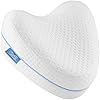
This ergonomic, hourglass-style memory foam leg pillow is built to fit between the knees, offering support not only at the knees but also along the legs to help maintain alignment of hips, spine, and joints.
Pros: breathable/ventilated foam, removable cover, good for alleviating pressure and sciatica points.
Cons: For some heavier sleepers or those with wide leg spacing, a single unit might not fully fill the gap; may take a night or two to find the ideal positioning.
Momcozy U-Shaped Pregnancy Full-Body Pillow
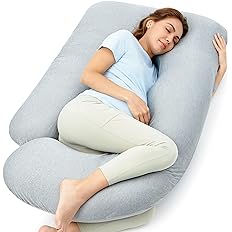
This large U-shaped pillow can cradle your body from head to feet, offering support under the belly, behind the back, and between the legs.
Pros: excellent for full body alignment, useful not just for pregnancy but for side sleepers who like extra support; cooling cover helps with breathability.
Cons: bulky and takes up a lot of bed space; can require repositioning during the night; might feel excessive for those who prefer minimal pillows.
Special Types of Pillows For Side Sleepers
Here’s a breakdown of the most searched pillow types:
1. Best Firm Pillow for Side Sleepers
*Perfect for those who want strong support.
2. Best Bed Pillow for Side Sleepers
*A standard option that balances comfort and cost.
3. Best Purple Pillow for Side Sleepers
*The Purple brand uses a hyper-elastic polymer grid that’s supportive yet breathable.
4. Best Pillow Top Mattress for Side Sleepers
*While not a pillow, many people search for this because they want a mattress with plush top layers designed for side sleeping.
5. Best Pillow for Side Sleepers Who Snore
*Snoring is reduced when the airways are open—elevating the head slightly can help.
6. Best Pillow for Side and Back Sleepers
*If you switch between positions, look for an adjustable loft pillow that adapts to both.
DMI U-Shaped Side Pregnancy Pillow
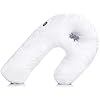
This is a hybrid: partly a side pillow but with a U-shape wrap. It claims to help with shoulder, neck, hip, and sciatica relief.
Pros: gives support around the body, helps limit twisting; good for side sleepers who move around.
Cons: may be too bulky for minimalists; may need adjustment to find the right orientation.
Best Pillow For Side Sleepers With Neck Pain
If you often wake up with stiffness or soreness in your neck, your pillow is likely to blame. The best pillow for side sleepers with neck pain should:
*Keep the neck aligned with the spine.
*Offer medium-firm support.
*Be made of contouring materials like memory foam or latex.
Specific phrases people often search include:
*best pillow for side sleepers with neck and shoulder pain
*best pillow for side sleepers and neck pain
*best pillow for side sleepers neck pain
*neck pain best pillow for side sleepers
A cervical or contoured pillow is often the best solution because it cradles the neck while supporting the head.
Derila Cervical Side-Sleeper Memory Foam Pillow

This ergonomic contour pillow is sized to support side sleepers, with raised edges and central dip to cradle the head and neck.
Pros: targeted neck support, helps maintain neutral spine; memory foam conforms to shape.
Cons: relatively firm; some users might find the loft too high or low depending on shoulder width; may take time to adjust.
Best Pillow For Side Sleepers With Shoulder Pain
Shoulder pressure is another common issue. The best pillow for side sleepers with shoulder pain is one with a high enough loft to prevent the body from collapsing onto the shoulder. Memory foam and shredded foam pillows work well since they adapt to the contour of your body.
Searches like best pillow for side sleepers with shoulder and neck pain or best pillow for side sleepers with arm under pillow highlight the need for pillows that relieve shoulder stress while keeping the spine neutral.
Banish Neck & Shoulder Pain with the Right Pillow
Side sleepers often suffer from sore shoulders and stiff necks. This happens because pressure builds at the points where your body meets the mattress.
The best pillow for side sleepers with neck pain or best pillow for side sleepers with shoulder pain should:
*Support the curve of your neck while keeping your head in line with your spine.
*Relieve pressure points on the shoulders.
*Provide consistent height so the head doesn’t dip overnight.
Options like contoured cervical pillows or gusseted pillows (with raised edges) are excellent choices. By cradling your unique contours, the right pillow can eliminate pain and discomfort, making mornings far more pleasant.
Personalized Pillow Selection Guide
No two sleepers are the same. Your personalized pillow choice should consider:
* Body type: Broader shoulders may need a higher loft; smaller frames may need less.
*Mattress firmness: A softer mattress allows shoulders to sink in, reducing loft needs. A firmer mattress requires a taller pillow.
*Personal comfort: Some people prefer hugging a body pillow, while others need the structure of a firm memory foam pillow.
Unlock Restorative Sleep
The real goal isn’t just avoiding pain—it’s achieving deep, restorative sleep. When your pillow supports your neck, shoulders, and spine correctly, you’ll experience:
*Reduced tossing and turning.
*Decreased snoring (airways remain more open).
*Improved circulation.
*More time spent in deep and REM sleep stages.
Investing in the best pillow for side sleepers is investing in uninterrupted, rejuvenating sleep that carries into every part of your day.
Trending Searches: Reddit & Consumer Reports
Many side sleepers look for community reviews before buying:
*best pillow for side sleepers Reddit – threads often recommend memory foam or adjustable pillows.
*consumer reports best pillow for side sleepers – reputable testing organizations confirm that side sleepers need higher loft and firm support.
These sources are excellent for unbiased insights and real-life feedback.
If you’re a side sleeper, the wrong pillow can cause years of discomfort, while the right one can dramatically improve your sleep quality. The best pillow for side sleepers is one that supports your neck, keeps your spine aligned, and reduces shoulder and back pain.
Whether you’re dealing with neck pain, shoulder pain, or simply want to upgrade your current pillow, there’s a solution designed just for you. From memory foam to body pillows, firm options to adjustable lofts, today’s market is full of choices that cater to side sleepers’ unique needs.
Sleep better, wake up refreshed, and give your neck and shoulders the support they deserve.
Frequently Asked Questions
What kind of pillow is best for side sleepers?
Memory foam or latex pillows with medium-firm support.
Which pillow is best for side sleepers with back pain?
A medium-firm memory foam pillow paired with a knee pillow.
What is the best type of pillow for side sleepers?
One that maintains neck alignment and relieves shoulder pressure.
Is a firm or soft pillow better for side sleepers?
Firm or medium-firm is better, as soft pillows flatten too easily.
What’s the best pillow for side sleepers in 2025?
Adjustable memory foam pillows remain the most recommended option.
C CUSHION LAB Deep Sleep (Orthopedic / Contour)

A contoured cervical pillow aiming to cradle the head and provide shoulder/neck relief in side and back sleeping positions.
Pros: ergonomic shape, designed to reduce pressure on the neck; good option for side sleepers who need neck lift.
Cons: contour design limits repositioning freedom; not ideal for stomach sleeping.
Recommended Reading
Comfortable Mattress and Pillow: Sleep Better Tonight
A comfortable mattress and pillow are the foundation of restful sleep, providing the support your body needs to relax, recover, and wake up refreshed. Comfortable Mattress and Pillow: The Foundation of Quality Sleep When it comes to better sleep, most people focus on bedtime routines, relaxation habits, or limiting caffeine. While all of these matter, […]
Short Naps Only: Boost Energy Without Losing Sleep
Short naps are a simple yet powerful way to recharge your energy, boost focus, and improve productivity without disrupting your nighttime sleep. Short Naps Only: How Power Naps Can Improve Energy Without Ruining Sleep For many people, the mid-afternoon slump is real. Energy dips, focus fades, and eyelids feel heavy. Reaching for a cup of […]
Relaxation And Stress Management for Better Sleep
Relaxation and stress management are essential practices for calming the mind, easing tension, and creating the foundation for better sleep and overall health. Relaxation and Stress Management: The Key to Better Sleep and Health In today’s fast-paced world, stress seems to follow us everywhere, through work, finances, family responsibilities, and even our phones. While some […]