Short Naps Only: Boost Energy Without Losing Sleep
Short naps are a simple yet powerful way to recharge your energy, boost focus, and improve productivity without disrupting your nighttime sleep.
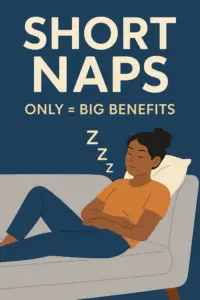
Short Naps Only: How Power Naps Can Improve Energy Without Ruining Sleep
For many people, the mid-afternoon slump is real. Energy dips, focus fades, and eyelids feel heavy. Reaching for a cup of coffee might seem like the easiest solution, but there’s another powerful way to recharge: short naps.
Unlike long daytime naps that can leave you groggy or disrupt nighttime sleep, short naps—often called “power naps”—provide a burst of alertness, improved mood, and better performance. The key is in the timing and duration.
In this article, we’ll explore the science of napping, why short naps are best, how long they should last, and practical tips to incorporate them into your daily routine.
The Science of Napping
Naps are essentially mini-sleep sessions, and just like nighttime sleep, they follow stages:
* Light sleep (stages 1 & 2): Restores alertness and energy.
*Deep sleep (stage 3): Helps with physical recovery.
*REM sleep (stage 4): Enhances memory and creativity.
The problem with long naps is that once you enter deep sleep, waking up leaves you feeling groggy and disoriented—a phenomenon known as sleep inertia. That’s why keeping naps short is so important.
Short naps (10–20 minutes) improve alertness without affecting nighttime sleep. Longer naps may cause grogginess and disrupt circadian rhythm.
🔗 NASA – The Value of a Nap
Why “Short Naps Only” Is the Rule
1. Prevents Sleep Inertia
Short naps (10–30 minutes) allow you to rest in the lighter stages of sleep. This provides refreshment without the sluggishness of waking from deep sleep.
2. Protects Nighttime Sleep
Long naps, especially in the late afternoon or evening, can make it harder to fall asleep at night. Short naps give you an energy boost without interfering with your regular sleep schedule.
3. Boosts Alertness and Productivity
NASA studies on pilots and astronauts show that a 26-minute nap can improve alertness by 54% and performance by 34%.
4. Improves Mood and Reduces Stress
Short naps lower cortisol levels and provide a mental reset, making it easier to handle the rest of the day with calmness and focus.
5. Supports Memory and Learning
Research shows that naps help consolidate memories. Even a 20-minute nap can improve learning and problem-solving skills.
The Ideal Nap Length
* 10–20 minutes: Best for a quick energy boost and improved focus. You’ll stay in light sleep, so you wake up refreshed.
*30 minutes: May help with memory but increases the risk of grogginess.
*60 minutes: Enters deeper sleep, beneficial for memory, but you may wake up sluggish.
*90 minutes: A full sleep cycle, sometimes useful, but best reserved for rare catch-up days—not as a daily habit.
👉 For everyday purposes, aim for short naps only: 10–20 minutes.
The Best Time to Nap
The ideal nap window is the early afternoon, typically between 1:00 p.m. and 3:00 p.m. This aligns with the natural dip in energy caused by circadian rhythms.
Napping too late in the day can interfere with nighttime sleep. Napping too early may not provide much benefit since your body hasn’t built up enough sleep pressure yet.
Who Benefits Most from Short Naps?
* Shift workers – To combat irregular sleep schedules.
*Students – To improve memory retention and focus.
*Parents – To recover from disrupted sleep schedules.
*Professionals – To beat the afternoon slump without relying on caffeine.
*Athletes – To aid recovery and boost performance.
How to Take the Perfect Short Nap
1. Set an Alarm – Aim for 10–20 minutes. Use your phone or a smartwatch so you don’t oversleep.
2. Find a Quiet Spot – A couch, recliner, or even your car (parked safely) can work.
3. Darken the Room – Use an eye mask or close curtains to block light.
4. Reduce Noise – White noise machines or earplugs help reduce distractions.
5. Get Comfortable but Not Too Cozy – Recline slightly rather than lying flat to avoid drifting into deep sleep.
6. Use the “Coffee Nap” Trick – Drink a small cup of coffee right before your nap. By the time you wake up 20 minutes later, caffeine kicks in for an added boost.
Common Mistakes to Avoid
* Napping too long – Leads to grogginess and nighttime sleep problems.
*Napping too late – Makes it harder to fall asleep at bedtime.
*Relying on naps for lost sleep – Naps are a supplement, not a replacement for consistent nightly rest.
*Ignoring your environment – Noise, light, or an uncomfortable position can prevent effective rest.
Alternatives to Napping
If you’re in a situation where napping isn’t possible, try these quick refreshers:
* Step outside for sunlight – Natural light boosts alertness.
*Move your body – Stretching or a short walk gets blood flowing.
*Hydrate – Fatigue is sometimes caused by dehydration.
*Breathing exercises – A few minutes of mindful breathing can reset energy.
Short Naps and Long-Term Health
When used wisely, short naps provide long-term benefits:
* Reduced risk of burnout – Helps manage daily stress.
*Improved heart health – Some studies suggest napping lowers blood pressure.
*Enhanced productivity – Sharper focus leads to better performance at work or school.
*Better emotional regulation – Short naps improve mood and resilience to stress.
A Sample Daily Energy Plan with Short Naps
* 7:00 a.m. – Wake up and get morning sunlight.
*1:30 p.m. – Take a 15-minute nap to recharge.
*2:00 p.m. – Hydrate and do a 5-minute stretch before returning to work.
*10:30 p.m. – Start bedtime routine to prepare for deep nighttime sleep.
By pairing short naps with consistent nighttime rest, you maximize both daily energy and long-term health.
Final Thoughts
Naps can be a powerful tool for boosting alertness, mood, and performance. But the secret is to keep them short. Short naps only—10 to 20 minutes, give you all the benefits without the grogginess or nighttime disruptions of longer naps.
Think of them as a reset button for your brain and body. Instead of reaching for another cup of coffee, try a quick nap in the early afternoon. With consistency, you’ll notice better focus, calmer moods, and more energy throughout the day—while still sleeping well at night.
When it comes to recharging, sometimes less really is more.
Recommended Reading
What Sleep Animal Are You?
(Take a Guess – Then See Your Type Below!) Have you ever wondered why you sleep the way you do? Why some people crash the moment their head hits the pillow… while others lie awake planning tomorrow… or suddenly get a burst of energy at midnight? Believe it or not, your sleep style often mirrors […]
The Benefits Of Sleeping In The Nude
When it comes to improving your sleep quality, most people focus on bedtime routines, comfortable pillows, or the right mattress. But there’s one simple and often overlooked factor that can dramatically improve your rest – your body temperature. And one of the easiest ways to regulate it? Sleeping in the nude. It might sound unconventional, […]
The Ultimate Guide To The Best Pillow For Side Sleepers When it comes to getting a good night’s sleep, your pillow matters just as much as your mattress. For the millions of people who sleep on their sides, finding the best pillow for side sleepers can mean the difference between waking up refreshed or waking […]
Discover why coffee makes some people sleepy while others stay awake. Learn how caffeine, genetics, and metabolism affect your sleep. Coffee Makes Some People Sleepy. Here’s Why Caffeine Doesn’t Affect Everyone Most of us think of coffee as a quick pick-me-up – the drink we reach for when we want to stay alert, power […]
Optional Resource: Sleep Blueprint Guide
Leave a Reply
You must be logged in to post a comment.