Regular Exercise (Not Too Late)
Regular exercise is one of the most effective ways to boost overall health, reduce stress, and improve the quality of your sleep.
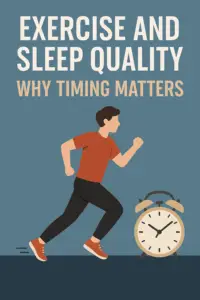
Regular Exercise (Not Too Late): The Right Way to Move for Better Sleep
Most of us know that regular exercise is essential for good health – it strengthens the heart, builds muscle, reduces stress, and supports weight management. But what many people don’t realize is just how much exercise impacts sleep quality.
Moving your body consistently during the day can help you fall asleep faster, stay asleep longer, and wake up feeling refreshed. However, the timing of your workouts matters. Exercising too late in the evening may leave you restless and wired, while exercising earlier in the day can prime your body for restorative rest at night.
In this article, we’ll explore the science behind exercise and sleep, the benefits of regular activity, the best times to work out, and practical tips to make exercise part of your daily routine without sabotaging your bedtime.
The Link Between Exercise and Sleep
Exercise and sleep have a two-way relationship. Just as regular exercise improves sleep quality, good sleep enhances performance and recovery.
Here’s how exercise helps sleep:
* Reduces Stress Hormones – Physical activity lowers cortisol, which helps the body relax.
*Increases Deep Sleep – Regular exercise boosts slow-wave sleep, the most restorative stage.
*Regulates Circadian Rhythm – Morning or afternoon workouts reinforce your body’s natural sleep-wake cycle.
*Reduces Insomnia Symptoms – Studies show that people who exercise consistently fall asleep faster and wake up less often.
In short, exercise acts as a natural sleep aid, when done at the right time.
Why Timing Matters
Exercising too close to bedtime can actually disrupt sleep. Intense physical activity raises body temperature, heart rate, and adrenaline levels. While these changes are great for energy during the day, they can make it difficult to wind down at night.
What Happens When You Exercise Late:
*Elevated core body temperature delays melatonin production.
*Increased heart rate and adrenaline make it harder to relax.
*Stimulation of the nervous system keeps your mind alert.
That doesn’t mean all evening exercise is bad – it depends on intensity. Light stretching or yoga before bed can actually be calming, while vigorous cardio or heavy weightlifting might keep you awake.
Exercise improves sleep quality and increases deep sleep. However, vigorous activity too close to bedtime may delay sleep.
🔗 Johns Hopkins Medicine – Exercise and Better Sleep
The Best Time of Day to Exercise for Sleep
Morning Exercise
*Exposes you to natural light, helping reset circadian rhythm.
*Boosts energy and focus for the day ahead.
*Reduces stress levels, leading to calmer evenings.
Afternoon Exercise
*Ideal for strength and performance (muscle strength peaks later in the day).
*Helps shake off afternoon fatigue.
*Still early enough not to interfere with sleep.
Evening Exercise (with caution)
*Light to moderate exercise (stretching, yoga, walking) can be relaxing.
*Avoid high-intensity workouts within 2–3 hours of bedtime.
Types of Exercise That Benefit Sleep
1. Aerobic/Cardio – Walking, jogging, cycling, or swimming improves sleep efficiency and reduces insomnia.
2. Strength Training – Helps regulate hormones, reduces anxiety, and boosts slow-wave sleep.
3. Yoga & Stretching – Particularly effective at reducing stress and calming the nervous system.
4. Tai Chi or Mind-Body Exercise – Combines movement with mindfulness, supporting both mental and physical relaxation.

How Much Exercise Do You Need?
The CDC recommends at least:
* 150 minutes of moderate aerobic exercise per week (e.g., brisk walking, cycling).
*2+ strength training sessions per week.
Even light daily movement, like a 20-minute walk, can improve sleep quality. The key is consistency.
Sample Weekly Exercise Plan for Better Sleep
* Monday: 30-min brisk walk in the morning
*Tuesday: Strength training (afternoon)
*Wednesday: Light yoga or stretching (evening)
*Thursday: Jogging or cycling (late afternoon)
*Friday: Strength training (afternoon)
*Saturday: Hiking, swimming, or sports (morning)
*Sunday: Gentle stretching or rest day
Exercise and Insomnia
For people with insomnia, exercise can be especially helpful. Research shows that moderate aerobic exercise reduces time to fall asleep and increases total sleep time. The key is to stick with it – benefits may take a few weeks to become noticeable.
👉 Important Note: If you struggle with insomnia, avoid vigorous exercise at night. Stick to mornings or afternoons for best results.
Practical Tips for Exercising Without Disrupting Sleep
1. Finish Intense Workouts 3 Hours Before Bed – Give your body time to cool down and relax.
2. Wind Down with Stretching – If you exercise in the evening, follow it with light yoga or stretching to transition to rest mode.
3. Stay Hydrated, But Not Too Late – Drink water after workouts but taper off before bedtime to avoid nighttime bathroom trips.
4. Pair Exercise with Sunlight – Morning outdoor workouts reinforce circadian rhythm.
5. Keep it Consistent – Exercise regularly at the same time of day to train your body and clock.
Mistakes to Avoid
* Relying on exercise alone for sleep – It helps, but other habits (like limiting caffeine and maintaining a sleep routine) also matter.
* Going too hard too late – High-intensity exercise before bed may leave you restless.
* Being inconsistent – Sporadic exercise won’t deliver the same sleep benefits as regular, moderate activity.
The Long-Term Benefits of Regular Exercise for Sleep
Sticking to a consistent workout schedule (not too late in the day) pays off in countless ways:
* Improved sleep quality – Deeper, more restorative rest.
*Better mood and reduced anxiety – Thanks to endorphins and reduced stress hormones.
*Stronger circadian rhythm – Easier to fall asleep and wake up at consistent times.
*Healthier body – Reduced risk of obesity, diabetes, and heart disease (all linked to poor sleep).
*Greater energy and productivity – More restful nights equal more alert days.
Final Thoughts
Exercise is one of the most powerful tools for better sleep, but the timing matters. Regular exercise (not too late) supports your circadian rhythm, reduces stress, and helps you drift into deeper, more refreshing rest.
Aim for daily movement, whether it’s a morning walk, an afternoon strength session, or evening yoga. Just avoid high-intensity workouts too close to bedtime. Pair consistent exercise with other sleep-friendly habits like a calming pre-sleep routine and a cool, dark, quiet bedroom and you’ll set yourself up for the best nights of sleep possible.
Your body thrives on movement and rhythm. Exercise regularly, time it wisely, and let your nights reward you with restorative sleep.
Optional Resource: Sleep Blueprint Guide
Leave a Reply
You must be logged in to post a comment.