How Eating Affects Sleep
What To Eat, When To Eat, and What To Avoid For Better Rest
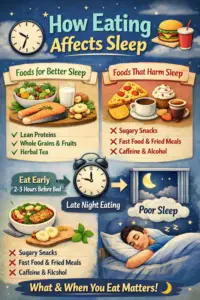
Most people think of sleep problems as an issue of stress, screens, or bad sleep habits. But one of the most overlooked factors is how eating affects sleep. What you eat, how much you eat, and when you eat can all influence how quickly you fall asleep, how deeply you sleep, and how refreshed you feel the next day.
Modern research shows that eating patterns interact directly with your body’s internal clock, digestion, blood sugar levels, and sleep hormones like melatonin. Late heavy meals, excess caffeine, and high-sugar foods can quietly disrupt sleep, while balanced meals and smart timing can support deeper, more restorative rest. Understanding how eating affects sleep gives you another powerful lever to improve sleep quality, often without changing your bedtime or adding supplements.
In this guide, you will learn exactly how eating affects sleep, which foods support better rest, which habits commonly disrupt it, and how simple changes in portion size, meal timing, and cultural eating strategies can make falling asleep and staying asleep easier.
Why Food Can Change Sleep So Much
Sleep is regulated by two major forces:
1. Your circadian rhythm (your body clock): helps decide when you feel alert vs sleepy across the day.
2. Sleep pressure: builds the longer you are awake.
Eating interacts with both.
* Meal timing can act like a “time cue” (a zeitgeber) for peripheral clocks in your liver, gut, and metabolic tissues. Late meals can push those clocks later, which may make it harder to wind down or can increase night awakenings for some people. ScienceDirect
* Digestion and blood sugar affect body temperature, heart rate, and stress hormones. Large meals, high sugar meals, or alcohol close to bed can increase physiological arousal when you want the opposite.
The result: food can help or hurt sleep depending on the pattern.
The Big Picture: Diet Quality and Sleep Quality Are Connected
When researchers look at overall eating patterns (not just one food), a consistent theme shows up:
* Higher diet quality (more whole foods, fiber, fruits and vegetables, and balanced meals) is associated with better sleep quality.
*Diets high in ultra processed foods and added sugars are linked with worse sleep outcomes in many observational studies.
A widely cited clinical review in Sleep Medicine Reviews summarizes this relationship and reports that healthier food intake patterns tend to correlate with better sleep, while processed, free sugar rich foods correlate with poorer sleep. ScienceDirect
Important note: correlation does not prove causation. But the relationship is strong enough that diet quality is now commonly discussed as a sleep hygiene pillar, alongside light, schedule consistency, stress management, and caffeine timing.
Meal Timing: When You Eat Can Matter As Much As What You Eat
Late dinners and late “last meals”
A 2024 study examining meal timing and sleep quality found associations between later timing patterns and poorer sleep quality measures, supporting the idea that timing can influence sleep through circadian and metabolic pathways. PMC
Another 2024 study in university students also explored the timing of main and last meals and found links with sleep quality and related outcomes, highlighting that chronotype (early bird vs night owl tendencies) may modify the relationship. MDPI
Practical takeaway: For many people, finishing the last substantial meal about 2 to 4 hours before bedtime is a helpful default. It reduces reflux risk, allows digestion to settle, and tends to support a smoother wind down.
“Chrono nutrition” research is expanding fast
A 2024 review of chrono nutrition and sleep literature notes the rapid growth in studies exploring late eating, breakfast skipping, irregular meal timing, and how those patterns relate to sleep and health. ScienceDirect
Practical takeaway: If your schedule allows it, aim for:
*A consistent eating window day to day
*Less “random” late night snacking
*A lighter last meal if you eat close to bed
Carbs At Night: Can They Help You Fall Asleep, or Hurt Sleep Quality?
Carbohydrates are complicated: timing, amount, and type matter.
High glycemic meals and sleep onset
A well known randomized trial found that a high glycemic index (GI) carbohydrate meal shortened sleep onset latency (how long it takes to fall asleep), especially when eaten about 4 hours before bedtime. PubMed
This does not mean “eat sugar to sleep.” The mechanism may involve insulin and amino acid competition that influences tryptophan availability, plus brain glucose sensing pathways. But higher GI meals can also cause blood sugar swings that may increase night waking in some people, especially if eaten very close to bedtime or in very large amounts.
Carbohydrate amount and sleep stages
A 2022 review on carbohydrate and sleep discusses evidence that lower vs higher carbohydrate intake can shift sleep architecture (for example, affecting slow wave sleep and REM patterns), though results vary across studies. PMC
Practical takeaway: If someone struggles with falling asleep (but not staying asleep), one experiment to try is:
*Eat a balanced dinner, then if needed a small snack later that includes complex carbs plus protein (examples below), rather than a high sugar snack right before bed.
Protein, Tryptophan, and “Sleepy Foods”
Tryptophan is an amino acid used to build serotonin and melatonin pathways. Foods that contain tryptophan (and meals that help it reach the brain) are often discussed in sleep nutrition.
A randomized double blind controlled trial studied the effect of altering the tryptophan to large neutral amino acids ratio on sleep and circadian measures (in adolescents) and supports that nutrient composition can influence sleep related physiology. MDPI
Practical takeaway: You do not need supplements to use this idea. Instead, pair:
* Protein (Greek yogurt, milk, turkey, eggs, cottage cheese)
with
* Carbs (oats, fruit, whole grain toast)
in a small evening snack if you tend to go to bed hungry.
Caffeine: One Of The Strongest Diet Related Sleep Disruptors
Caffeine does not just make you feel awake. It blocks adenosine signaling, reducing sleep pressure.
A controlled study published in the Journal of Clinical Sleep Medicine found that caffeine taken even 6 hours before bedtime can significantly disrupt sleep. JCSM
A 2023 systematic review and meta analysis on caffeine’s effects on subsequent sleep found meaningful reductions in total sleep time and sleep efficiency, with increases in sleep onset latency and wake after sleep onset. ScienceDirect
Practical takeaway: A simple rule that works for many people:
* Stop caffeine 8 to 10 hours before bed if you are sensitive
*At minimum, consider a 6 hour cutoff based on research JCSM
This includes coffee, energy drinks, many pre workouts, and some teas and sodas.
Alcohol: May Make You Sleepy, But Usually Worsens Sleep Later
Alcohol often shortens time to fall asleep, but it tends to fragment the second half of the night, reduce REM, and worsen snoring and sleep apnea risk. Many sleep medicine sources recommend avoiding alcohol close to bedtime for this reason.
If you want one clear line for your article: alcohol is a sedative, not a sleep enhancer.
Heavy Meals, Reflux, and Why Some People Wake At 2 to 3 AM
If someone regularly wakes in the middle of the night with a racing heart, hot flashes, or discomfort, food patterns are worth checking. Common triggers:
* Large, high fat meals close to bed: slower gastric emptying and more reflux risk
*Spicy or acidic foods: reflux in sensitive people
*High sugar desserts late: potential blood sugar spike then drop that can increase cortisol and adrenaline in some people
*Alcohol: lighter sleep and more awakenings later
Practical takeaway: If reflux is an issue, try:
*Finish dinner earlier
*Keep the last meal lighter
*Avoid lying flat immediately after eating
*Consider a small, low acid snack if hunger is the problem
The Reverse Direction: Poor Sleep Changes How You Eat
A 2025 narrative review on sleep and eating behavior summarizes evidence that short or poor sleep is associated with:
*Higher energy intake
*Shifts toward more calorie dense foods
*Changes in meal timing, including more late night eating PMC
This is a big reason why “just eat better” can feel hard when sleep is off. Your brain is more likely to chase quick energy.
Practical takeaway: improving sleep can make eating habits easier, and improving eating patterns can make sleep easier. You can tackle both, but start with the lever that feels most doable.
What To Eat For Better Sleep: Practical, Realistic Suggestions
A sleep supportive dinner template
Aim for a dinner that supports stable blood sugar and digestion:
* Protein: chicken, fish, turkey, lean beef, eggs, tofu
*Fiber rich carbs: potatoes, rice, oats, beans, whole grains, fruit
*Color: vegetables or salad
*Fat, but not excessive: olive oil, avocado, nuts
This tends to reduce late night hunger and avoids the crash that can come from a high sugar meal.
If you need a bedtime snack, keep it small and balanced
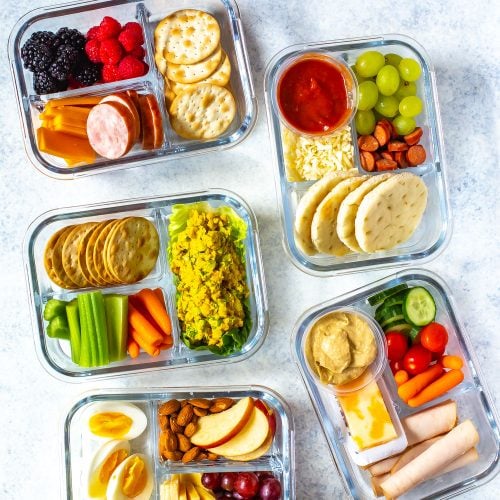
Good options (about 200 to 350 calories, adjust as needed):
*Greek yogurt + berries
*Oatmeal made with milk
*Whole grain toast + peanut butter
*Cottage cheese + fruit
*Banana + a small handful of nuts
If you work out late, a protein focused snack can also support recovery without being too heavy.
What To Avoid In The Last Few Hours Before Bed
Not everyone reacts the same, but these are the usual culprits:
1. Caffeine late in the day (even 6 hours pre bed can matter) JCSM
2. Alcohol within 3 to 4 hours of bedtime
3. Large, high fat meals right before lying down
4. Very spicy, acidic foods if reflux prone
5. High sugar snacks right before bed if they cause awakenings
References and Studies
* Meal timing and sleep quality (2024) PMC
*Meal timing, last meal timing, sleep quality and related outcomes (2024) MDPI
*Chrono nutrition and sleep review (2024) ScienceDirect
*Diet and sleep quality clinical review (Sleep Medicine Reviews, 2021) ScienceDirect
*High GI meal and shorter time to fall asleep (randomized trial, 2007) PubMed
*Carbohydrate and sleep mechanisms review (2022) PMC
*Caffeine taken 0, 3, or 6 hours before bed disrupts sleep (2013) JCSM
*Systematic review and meta analysis: caffeine reduces total sleep time and sleep efficiency (2023) PubMed
*Tryptophan related clinical trial (2020) MDPI
*Narrative review on sleep and eating behavior (2025) PMC
Foods That Help vs Hurt Sleep
| Category | Foods That May Help Sleep | Why They Help | Foods That May Hurt Sleep | Why They Hurt |
|---|---|---|---|---|
| Proteins | Greek yogurt, milk, cottage cheese, turkey, eggs | Contain tryptophan, support stable blood sugar | Large fatty cuts of meat late at night | Slow digestion, increased reflux risk |
| Carbohydrates | Oatmeal, potatoes, rice, whole grains, fruit | Support serotonin pathways and steady energy | Sugary desserts, candy, pastries | Blood sugar spikes and crashes |
| Fats | Olive oil, nuts, seeds (moderate amounts) | Support satiety without heaviness | Fried foods, greasy fast food | Delayed digestion, heartburn |
| Snacks | Banana + nut butter, yogurt + berries, toast + peanut butter | Balanced carbs + protein | Chips, cookies, ice cream | High sugar and fat combo |
| Drinks | Water, herbal tea (chamomile, peppermint), warm milk | Hydration and relaxation | Coffee, energy drinks, cola | Caffeine blocks sleep pressure |
| Alcohol | None recommended for sleep | — | Wine, beer, spirits close to bedtime | Fragments sleep, reduces REM |
| Spicy / Acidic Foods | Mild, low-acid meals | Less reflux risk | Spicy foods, tomato sauces, citrus late | Heartburn and night waking |
Tip:Not everyone reacts the same. The best approach is to track what you eat in the 3–4 hours before bed and note how it affects your sleep quality.

How Different Cultures Stay Lean
Different cultures stay lean in different ways, but clear patterns show up again and again. Most of them focus less on dieting and more on daily habits, food quality, movement, and mindset.
🇯🇵 Japan
How they stay lean
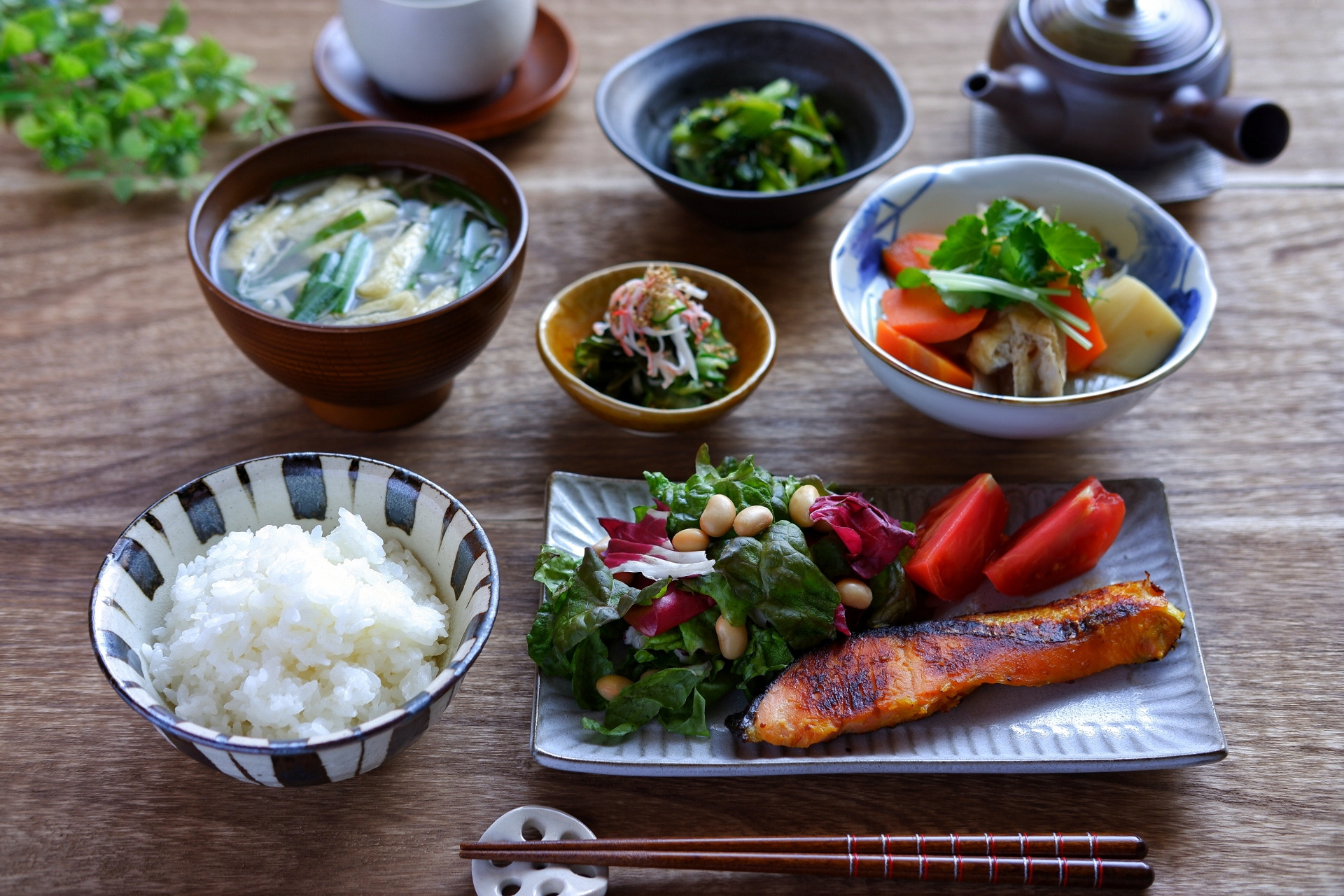
* Portion control by default: Small bowls and plates make overeating less likely
* Hara hachi bu: Eating until about 80 percent full
* High protein, low calorie density: Fish, tofu, seaweed, vegetables
* Constant movement: Walking, cycling, stairs, daily errands
* Mindful eating: Meals are slower and more intentional
Key idea: Eat less without feeling deprived.
🇮🇹 Italy

How they stay lean
* Quality over quantity: Real food, simple ingredients
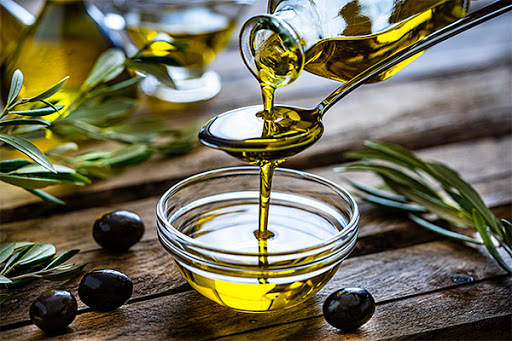
* Fat is not feared: Olive oil, cheese, cured meats in moderation
* Structured meals: Few snacks, defined meal times
* Walking culture: Daily movement is built into life
* Enjoyment without guilt: Food is social, not rushed
Key idea: Satisfying food reduces binge behavior.
🇫🇷 France


How they stay lean
* Smaller portions than North America
* No constant snacking between meals
* Eating seated, without distraction
*Slow meals that allow fullness signals to register
* Dessert is allowed, but usually small
Key idea: Discipline without restriction.
🇬🇷 Greece

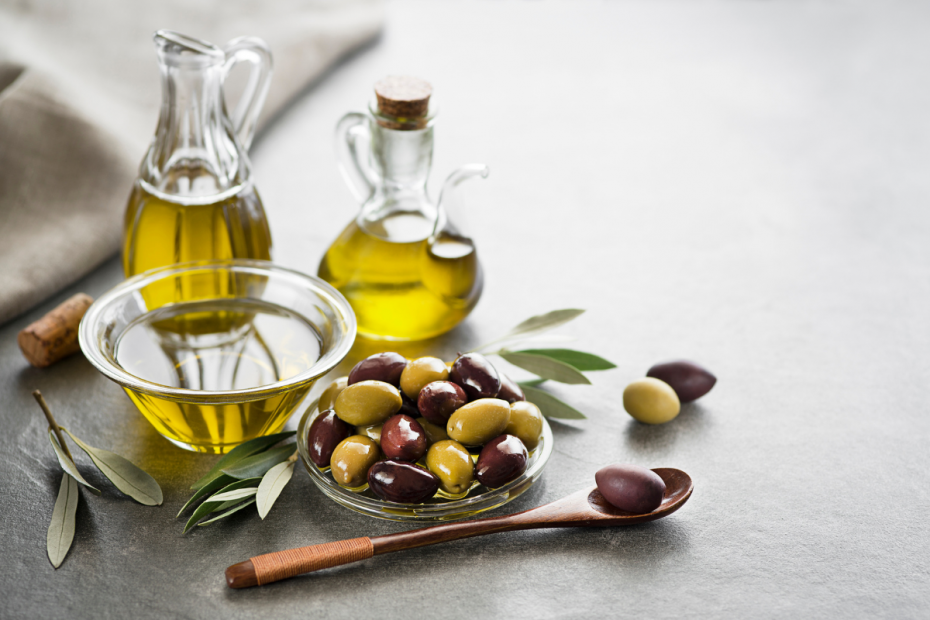
How they stay lean
* Plant-heavy meals: Vegetables, legumes, grains
* Moderate animal protein: Fish more than red meat
* Natural fats: Olive oil as a staple
* Outdoor living: Walking, gardening, social activity
Key idea: High-volume, low-calorie foods plus movement.
🇮🇳 India
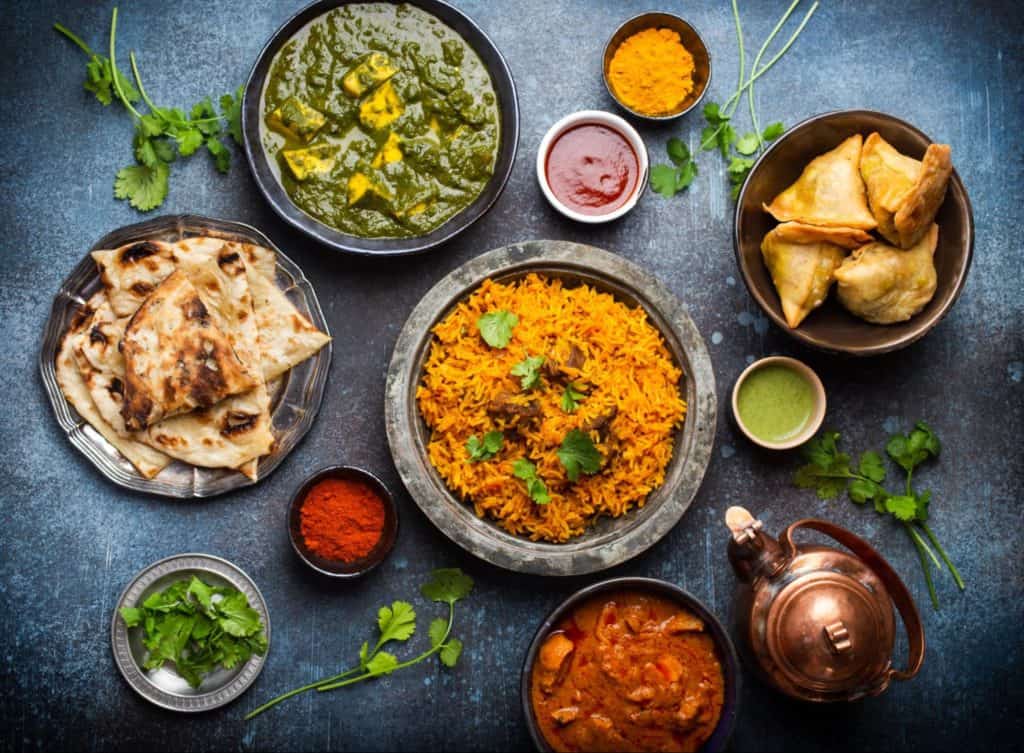
How they stay lean
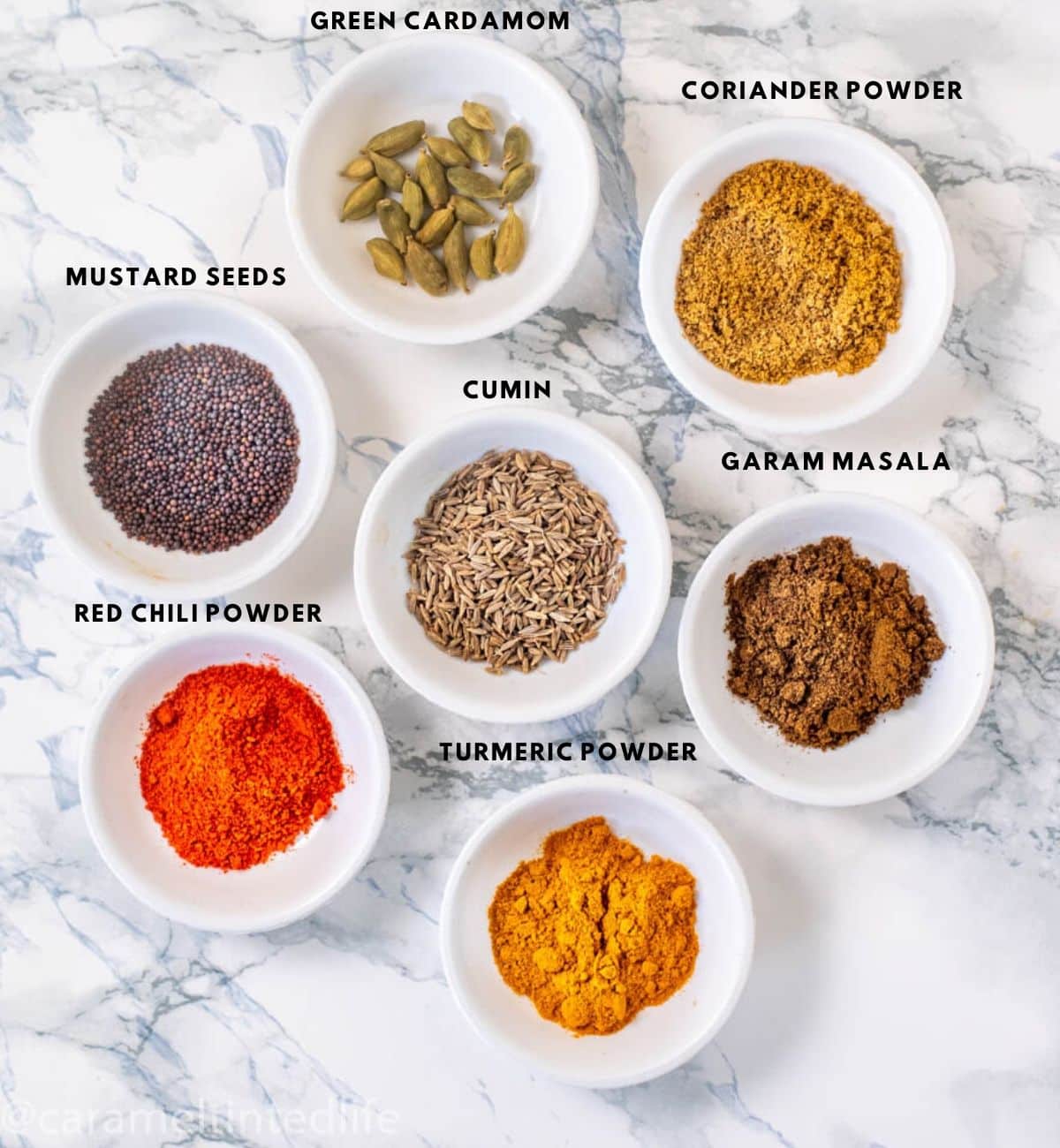
* Spice-driven cooking: Turmeric, ginger, chili increase satiety
* Legumes over meat: Lentils and beans are staples
* Home-cooked meals dominate
* Lower snacking culture in traditional settings
Key idea: Flavor-rich food controls appetite naturally.
🇨🇳 China
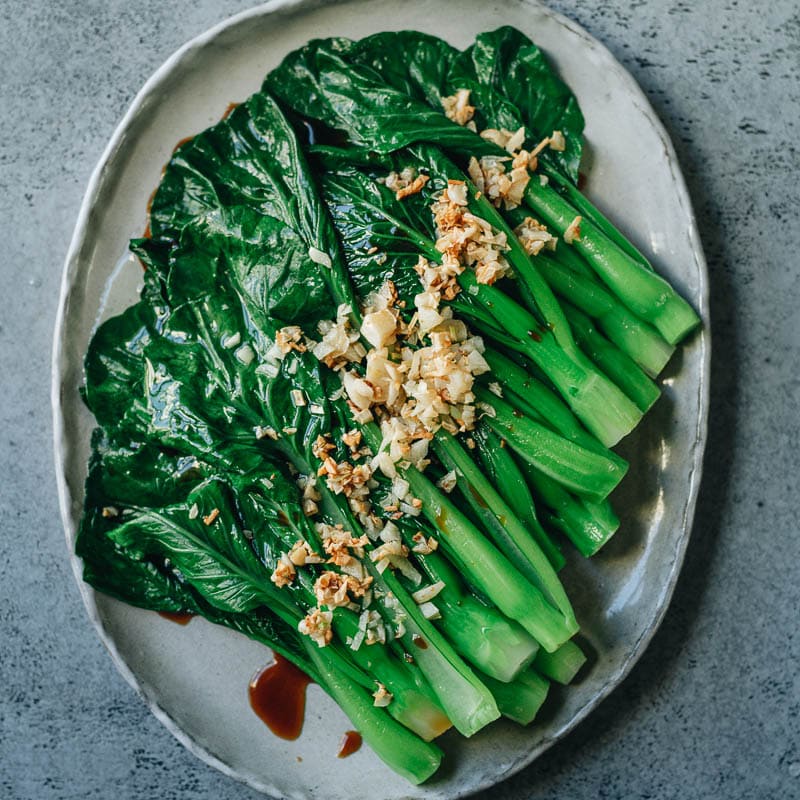
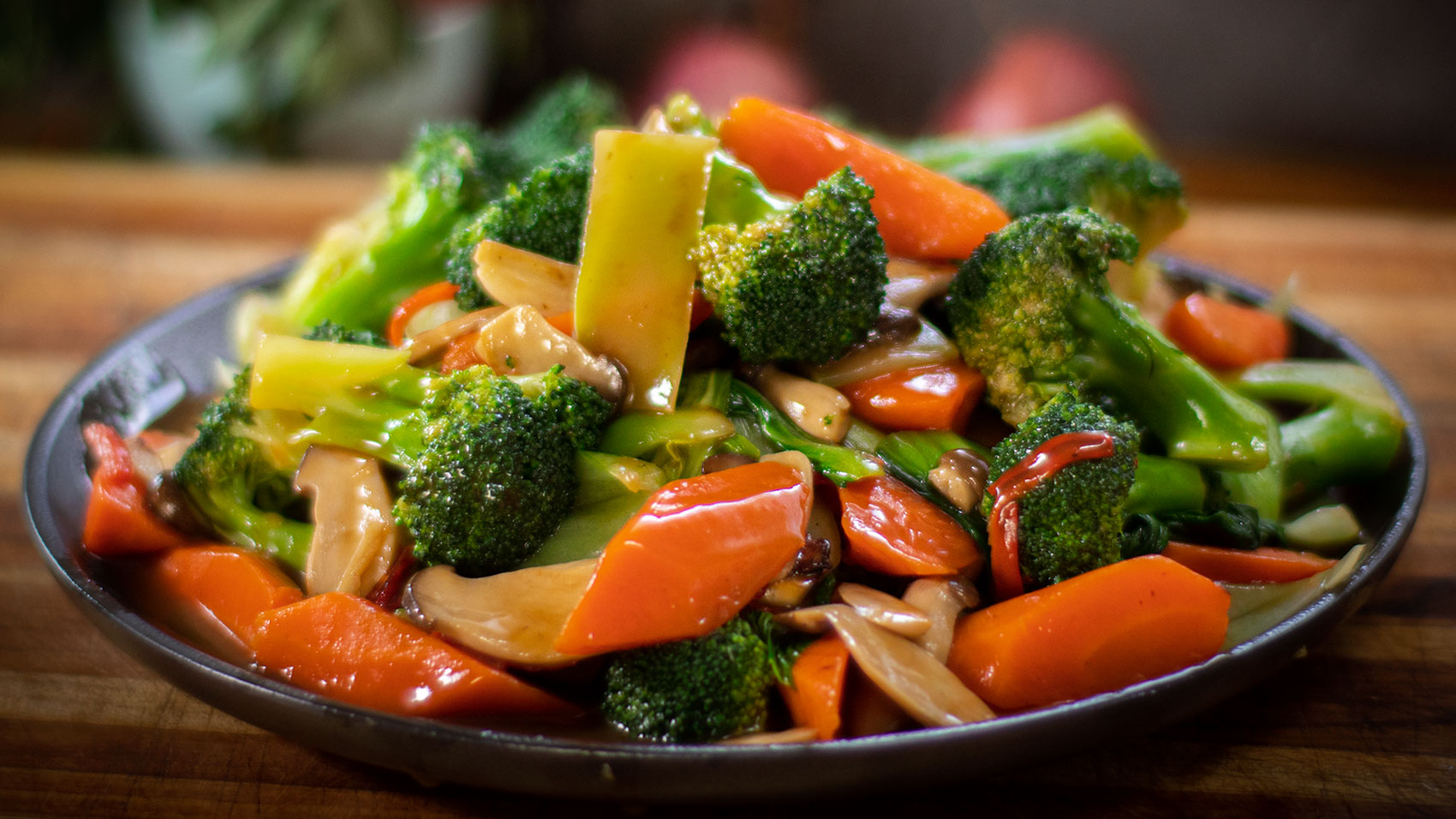
How they stay lean
* Vegetable-first meals with smaller meat portions
* Shared dishes encourage moderation
* Chopsticks slow eating
* Walking and biking are common
* Minimal sugar in traditional diets
Key idea: Balance and variety over excess.
🇲🇽 Mexico
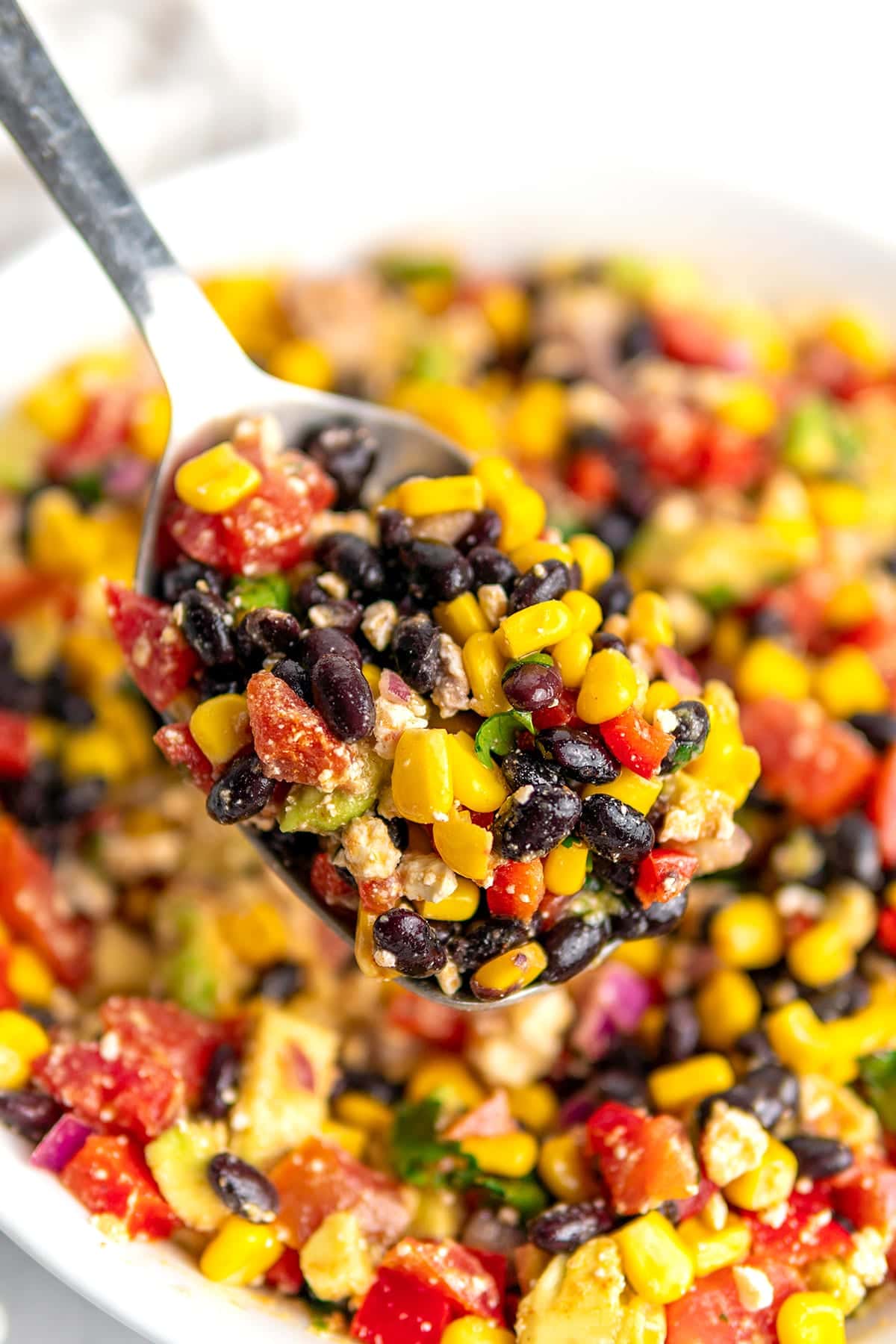
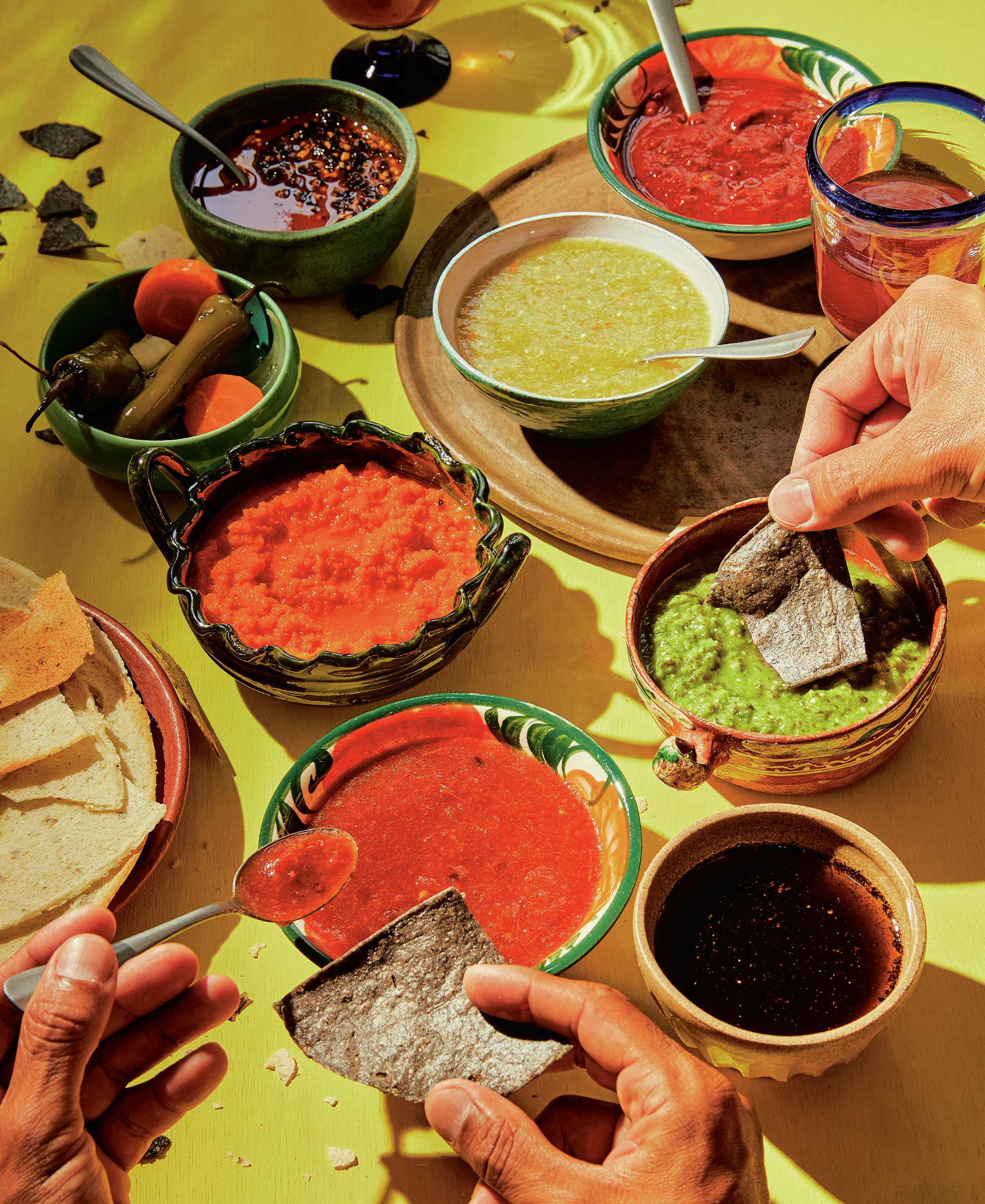
How they stay lean (traditional diet)
* Corn, beans, squash base
* Protein in moderate amounts
* Minimal processed foods historically
* Manual labor and walking
Key idea: Whole foods keep calories in check.
🏝️ Okinawa
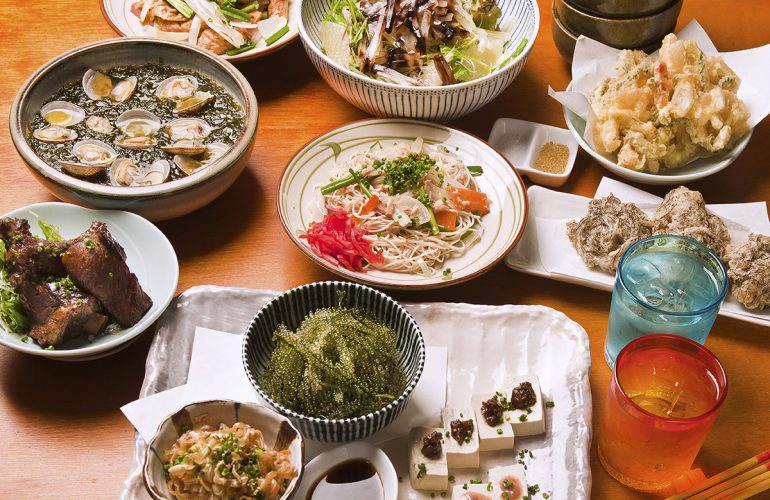

How they stay lean
* Sweet potatoes over rice
* High vegetable intake
* Low calorie density meals
* Strong community and purpose reduce stress eating
Key idea: Low calories without hunger.
🌍 Patterns Shared Across Lean Cultures
Almost all lean cultures share these habits:
* Eat real food, not ultra-processed food
* Smaller portions by default
* Walk daily, even without formal exercise
* Eat slowly and socially
* Less snacking, more structured meals
* Food is enjoyable, not emotional
Takeaway You Can Apply Today
You do not need to copy a culture exactly. Borrow the principles:
* Shrink portions before cutting foods
* Build meals around protein, vegetables, and natural fats
* Walk more than you think you need to
* Eat meals seated, without screens
* Stop eating when satisfied, not stuffed
Using Smaller Plates Does Change How full You Feel
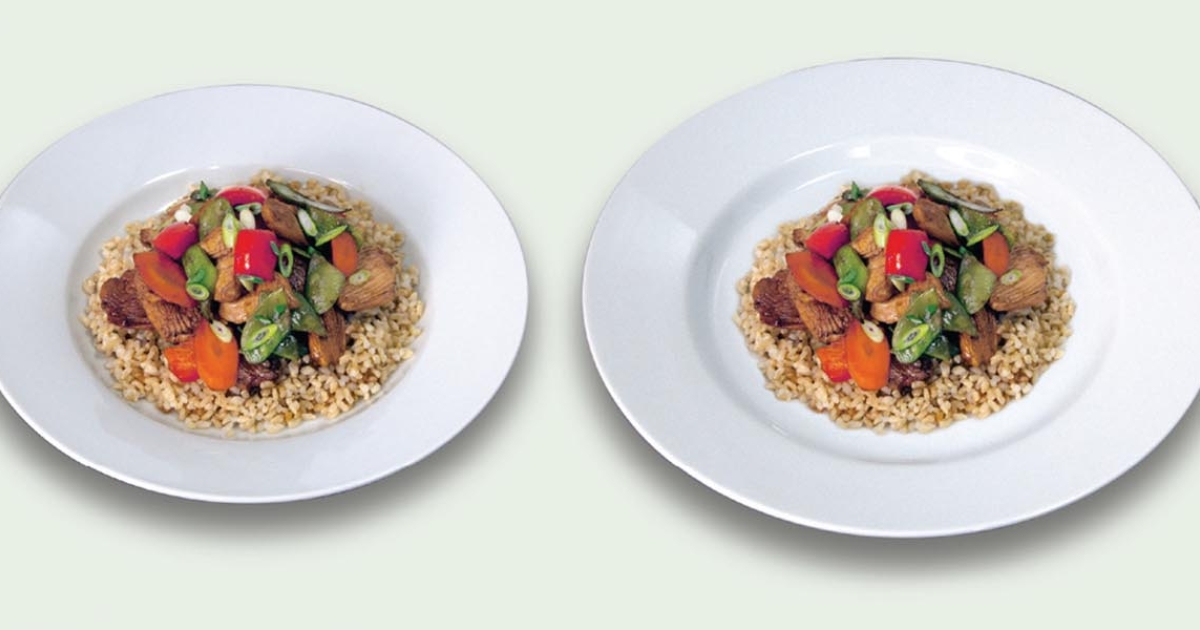
Using smaller plates does change how full you feel, and it is driven by how the brain interprets visual information, not just how much food is in your stomach.
This is a real, well-studied effect, not a placebo.
🧠 Why Smaller Plates Make You Feel Fuller
1. The Brain Eats With The Eyes First
Before hormones like leptin and ghrelin even kick in, your brain estimates:
* “How much food am I about to eat?”
* “Is this a normal amount?”
A full-looking plate sends a satiety expectation signal to the brain.
When a plate looks empty or sparse, the brain anticipates hunger even if calories are the same.
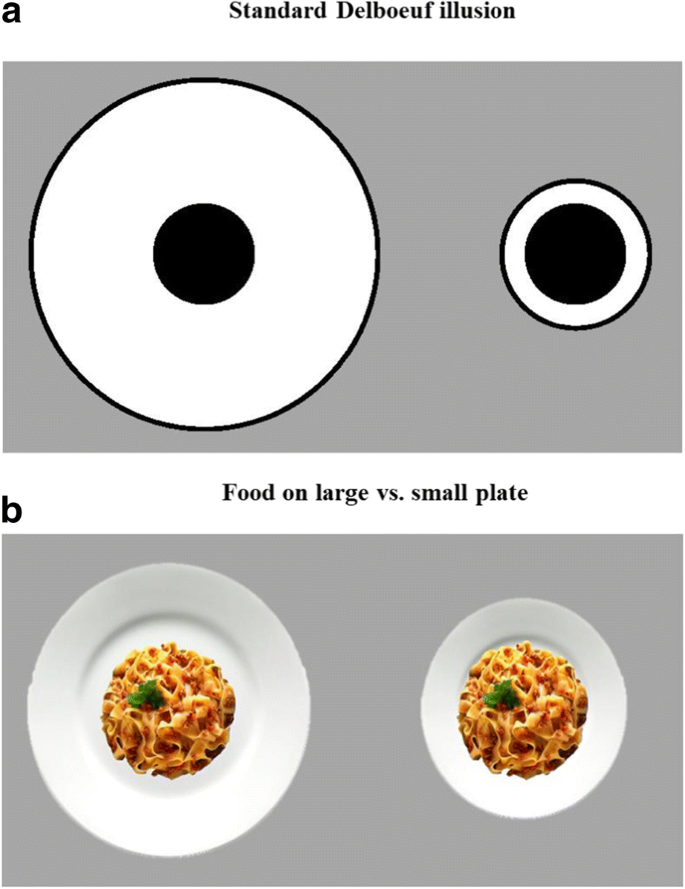
2. The Delboeuf Illusion
This is a classic visual illusion used in neuroscience and nutrition psychology.
Delboeuf illusion
* The same portion looks larger on a small plate
* The same portion looks smaller on a large plate
Your brain judges quantity relative to the plate, not in absolute terms.
Result:
* Small plate → food looks abundant → brain signals “this is enough”
* Large plate → food looks scarce → brain signals “I need more”
3. Expectation Alters Satiety Hormones
Your brain’s expectations influence:
* Ghrelin (hunger hormone)
* Insulin response
*Cephalic phase digestion (digestive prep before eating)
When you expect a meal to be filling:
* Hunger drops faster
* Satisfaction increases
* Cravings afterward decrease
This happens even when calories are identical.
4. Plate Size Changes Bite Behavior
Smaller plates naturally cause:
* Smaller bites
* Slower eating
* More pauses between bites
That gives your gut-brain axis time (about 15–20 minutes) to register fullness.
Large plates encourage:
* Faster eating
* Larger scoops
* Mindless refills
5. Completion Signals Matter
Your brain likes “finished” cues.
Finishing a plate:
* Triggers a psychological completion signal
* Reinforces satiety
* Reduces the urge to keep grazing
With large plates, people often:
* Leave food behind but still feel unsatisfied
* Or refill the plate because it “doesn’t look like enough”
What This Means Practically
Smaller plates work best when:
* The plate looks 70–90% full
* You include protein and fiber
* You sit and eat without screens
They work less well when:
* Eating ultra-processed foods
* Snacking mindlessly
* Drinking calories instead of chewing
How To Use This Without Feeling “Tricked”
You are not fooling yourself, you are aligning with how the brain already works.
Try this:
* Use a 9–10 inch plate instead of 12–14 inches
* Fill half with vegetables
* Quarter with protein
* Quarter with carbs or fat
* Eat slowly and stop at comfortable fullness
This is the same reason lean cultures naturally use smaller dishes without “dieting.”
Bottom line
Smaller plates make you feel fuller because the brain uses visual cues to regulate appetite before the stomach has a say. You eat less, feel satisfied sooner, and are less likely to overeat later.
FAQ Section
* Does eating before bed help or hurt sleep?
It depends on the food and the person. Large, heavy meals close to bedtime often hurt sleep by increasing digestion, heart rate, and reflux. However, a small, balanced snack with protein and carbohydrates can help prevent hunger and support sleep for some people.
* What is the best time to eat dinner for better sleep?
Most research suggests finishing your last full meal 2 to 4 hours before bedtime. This allows digestion to settle and supports the body’s natural sleep rhythms.
* Can certain foods help you fall asleep faster?
Yes. Foods containing carbohydrates and tryptophan-rich proteins (such as oatmeal with milk or yogurt with fruit) may help some people fall asleep faster by supporting serotonin and melatonin pathways.
* Does caffeine really affect sleep if I drink it earlier in the day?
Yes. Studies show caffeine can disrupt sleep even when consumed 6 hours before bedtime. People who are sensitive may need to stop caffeine 8–10 hours before bed.
* Why do I wake up in the middle of the night after eating late?
Late or heavy meals can cause blood sugar fluctuations, reflux, or increased nervous system activity. These effects may trigger awakenings, especially in the second half of the night.
* Is alcohol good or bad for sleep?
Alcohol may make you feel sleepy at first, but it usually reduces sleep quality, increases night awakenings, and disrupts REM sleep later in the night.
* Can improving sleep help me eat better?
Yes. Poor sleep alters hunger hormones and increases cravings for high-calorie foods. Improving sleep often makes healthier eating easier and more automatic.
* How do different cultures stay lean without counting calories?
Many traditionally lean cultures rely on portion control, slower eating, regular meal timing, and whole foods rather than calorie tracking. Smaller portions and consistent mealtimes reduce overeating and late-night digestion, both of which support better sleep quality and metabolic health.
* Does using a smaller plate really make you feel full?
Yes. Using a smaller plate creates a visual illusion that food portions are larger, which can increase feelings of fullness and satisfaction. This effect is linked to how the brain interprets portion size rather than actual stomach volume, helping reduce overeating without conscious restriction.
* How does portion size affect sleep?
Larger portions, especially in the evening, increase digestive workload, raise body temperature, and may trigger reflux or blood sugar swings. Smaller, balanced portions help the body transition into a relaxed state that supports deeper, uninterrupted sleep.
* Why do large dinners make it harder to sleep?
Large meals stimulate digestion, insulin release, and nervous system activity. These processes increase internal arousal at a time when the body should be slowing down, which can delay sleep onset and increase night awakenings.
* Are small plates linked to better sleep or just weight control?
They can support both. Smaller plates reduce the likelihood of overeating at dinner, which lowers digestive stress and discomfort at night. Better digestion and stable blood sugar make it easier to fall asleep and stay asleep.
* Do cultures that eat smaller dinners sleep better?
Many cultures that prioritize lighter evening meals and larger breakfasts or lunches report fewer sleep disruptions. Earlier calorie intake aligns better with circadian rhythms, allowing digestion to slow naturally before bedtime.
* Is it better to eat the biggest meal earlier in the day?
For many people, yes. Eating more calories earlier supports energy levels during the day and reduces the need for heavy evening meals. This pattern is associated with improved sleep quality and better metabolic regulation.
* Can eating too much at night affect melatonin production?
Indirectly, yes. Late, heavy meals can delay melatonin release by increasing body temperature, insulin, and digestive activity. This can shift the body’s natural sleep timing and make it harder to feel sleepy at bedtime.
* Why do slow eaters often feel more satisfied with less food?
It takes time for gut hormones that signal fullness to reach the brain. Slower eating, common in many traditional cultures, allows these signals to register before overeating occurs, leading to smaller portions and less late-night discomfort.
* How does mindful eating relate to sleep quality?
Mindful eating reduces overeating, emotional eating, and late-night snacking. This lowers digestive stress, stabilizes blood sugar, and reduces nighttime awakenings, all of which contribute to better sleep quality.
* Is portion control more important at night than during the day?
Yes. The body is less insulin sensitive and less prepared for heavy digestion at night. Smaller portions in the evening reduce metabolic strain and support natural sleep rhythms.
* Can cultural eating habits reduce nighttime cravings?
Yes. Cultures that eat regular meals, avoid extreme restriction, and emphasize balanced foods tend to experience fewer late-night cravings, which can otherwise disrupt sleep with hunger or overeating.
A Simple “Sleep Nutrition” Checklist
Try this for 10 to 14 nights:
* Keep dinner roughly the same time each night
* Finish your last full meal 2 to 4 hours before bed
*If hungry, have a small balanced snack 30 to 90 minutes before bed
* Stop caffeine at least 6 hours before bed (earlier if needed) JCSM
*Limit alcohol, especially close to bedtime
* Track: time of last meal, time you fell asleep, awakenings, and how rested you feel
After two weeks, most people can identify whether timing, caffeine, or heavy meals are a major factor.
Why Eating Affects Sleep More Than You Think
Sleep is not only shaped by what happens in the bedroom. Eating affects sleep through digestion, blood sugar regulation, hormone signaling, and circadian timing. Large late meals, frequent snacking at night, caffeine, and alcohol can all increase nighttime arousal and sleep fragmentation. On the other hand, balanced meals, appropriate portion sizes, and earlier eating patterns help the body shift into a relaxed state that supports deeper sleep.
Cultures that stay lean without calorie counting often follow habits that naturally improve sleep, such as smaller portions, slower eating, and lighter evening meals. Using tools like smaller plates, mindful eating, and consistent meal timing can reduce overeating and late-night digestion, making it easier to fall asleep and stay asleep.
If sleep has been a struggle, consider looking beyond pillows and supplements. Small changes in how and when you eat may be the missing piece. Once you understand how eating affects sleep, you can build routines that support both better rest and better long-term health.
Recommended Reading
Why Can’t I Fall Asleep Even When I’m Tired?
You can feel exhausted but still unable to fall asleep because sleep is controlled by more than just how tired your body feels. It depends on brain chemistry, hormones, habits, and timing. Here are the most common reasons this happens, in plain language. 1. Your Brain Is Tired, But Your Nervous System Is Still “On” […]
How To Reset Sleep Cycle Checklist
If your sleep schedule is off – whether from staying up late, shift work, travel, stress, or inconsistent habits, you’re not alone. Millions of people struggle with irregular bedtimes, morning grogginess, and trouble falling asleep. The good news is that your sleep-wake rhythm is not permanent. With a bit of structure and consistency, you can […]
Optional Resource: Sleep Blueprint Guide
Leave a Reply
You must be logged in to post a comment.