Why Coffee Makes Some People Sleepy and Others Wide Awake
Discover why coffee makes some people sleepy while others stay awake. Learn how caffeine, genetics, and metabolism affect your sleep.
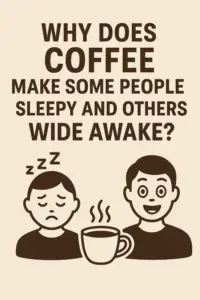
Coffee Makes Some People Sleepy – Here’s Why Caffeine Doesn’t Affect Everyone The Same
Most of us think of coffee as a quick pick-me-up – the drink we reach for when we want to stay alert, power through late-night work, or kickstart the morning. But not everyone reacts to coffee the same way. For some, a cup of coffee at night might surprisingly make them feel sleepy instead of energized. For others, even a small sip late in the evening can lead to tossing and turning until sunrise.
So why does caffeine affect people so differently? Let’s break down the main reasons.
1. Genetics and Caffeine Metabolism
The biggest factor is genetics.
*Some people have a gene variant (CYP1A2) that makes them “fast metabolizers” of caffeine. Their bodies break it down quickly, so the stimulating effects wear off sooner. For these people, a late-night coffee might not disturb sleep much or might even leave them feeling relaxed as the caffeine clears.
*Others are “slow metabolizers.” Their bodies break down caffeine much more slowly, so even an afternoon cup can keep them wired late into the night.
2. Adenosine and the Sleep-Wake Cycle
Caffeine mainly works by blocking adenosine, a brain chemical that builds up during the day and makes you sleepy.
*In some people, caffeine only blocks adenosine for a short while. Once it wears off, adenosine “rebounds” stronger, creating a wave of drowsiness.
*For others, caffeine keeps blocking adenosine long enough to prevent sleep, leading to restlessness and alertness well past bedtime.
3. Nervous System Sensitivity
People differ in how sensitive their nervous systems are to stimulants like caffeine.
*If your nervous system is highly responsive, coffee may give you racing thoughts, jitters, or a pounding heart, making it hard to wind down.
*If your nervous system is less reactive, the same amount of caffeine might barely move the needle or even help you relax because you associate coffee with calm, cozy routines.

4. Timing, Habit, and Tolerance
How coffee affects you also depends on when and how often you drink it.
* Regular coffee drinkers build up a tolerance, so the stimulating effects feel milder. A bedtime coffee might act more like a comforting ritual than a jolt of energy.
* Occasional drinkers may feel a strong impact from even small doses, especially later in the day.
5. Other Factors: Lifestyle and Body Chemistry
* Sleep deprivation: If you’re already very tired, caffeine may not fully override your body’s drive for sleep, so you might still feel drowsy after drinking it.
* Diet and hydration: A heavy meal or dehydration can also blunt caffeine’s effects.
* Psychology: If coffee before bed is part of a relaxing nighttime routine, your brain might associate it with winding down rather than waking up.
Practical Takeaways
1. Know your body. If coffee keeps you awake at night, stick to mornings and early afternoons.
2. Experiment with timing. Some people can drink coffee at 8 PM and sleep fine, while others need to cut it off by noon.
3. Pay attention to sleep quality. Even if you fall asleep after late-night coffee, caffeine can reduce deep, restorative sleep.
Final Thoughts
Coffee isn’t one-size-fits-all. Your genes, metabolism, nervous system, and habits all play a role in how your body reacts. For some, a late-night cup can surprisingly bring on sleepiness, while for others it guarantees a restless night. The key is to notice your own patterns and adjust your coffee habits to protect your sleep.

Recommended Reading
Avoid Caffeine & Alcohol Before Bed
To improve your sleep quality, it’s essential to avoid caffeine and alcohol before bed, since both can interfere with falling asleep and staying asleep. Why You Should Avoid Caffeine and Alcohol Late in the Day for Better Sleep When it comes to improving sleep quality, many people focus on bedtime routines, sleep environments, and stress […]
Short Naps Only: Boost Energy Without Losing Sleep
Short naps are a simple yet powerful way to recharge your energy, boost focus, and improve productivity without disrupting your nighttime sleep. Short Naps Only: How Power Naps Can Improve Energy Without Ruining Sleep For many people, the mid-afternoon slump is real. Energy dips, focus fades, and eyelids feel heavy. Reaching for a cup of […]
Regular Exercise (Not Too Late)
Regular exercise is one of the most effective ways to boost overall health, reduce stress, and improve the quality of your sleep. Regular Exercise (Not Too Late): The Right Way to Move for Better Sleep Most of us know that regular exercise is essential for good health – it strengthens the heart, builds muscle, reduces […]
Many of us cherish reading before bed. The ritual of curling up with a book feels cozy, comforting, and timeless. But when it comes to sleep, the truth is nuanced: while a calming physical book can be a powerful tool for relaxation, digital screens, stimulating genres, and poor timing can actually sabotage your rest. This […]
Consistent Sleep Schedule Benefits
A consistent sleep schedule is one of the most effective ways to improve your rest, boost your energy, and support long-term health. Why Going to Bed and Waking Up at the Same Time Every Day Is the Key to Better Sleep When it comes to improving your sleep, most people immediately think about buying a […]
Optional Resource: Sleep Blueprint Guide
Leave a Reply
You must be logged in to post a comment.