Sleep Accessories
Utopia Bedding Quilted Fitted Mattress Pad Review
Comfort, Protection, and Value Tested

When it comes to getting consistently great sleep, your mattress plays a huge role. But not everyone is ready to replace their mattress, and sometimes all you need is a little extra comfort, softness, and protection. That’s where a well-designed mattress pad can make a remarkable difference. Today we’re taking a detailed look at the Utopia Bedding Quilted Fitted Mattress Pad, one of Amazon’s best-selling budget mattress pads with thousands of positive reviews.
This review covers everything you need to know: comfort, materials, durability, fit, pros and cons, and who this mattress pad is best suited for. By the end, you’ll know exactly whether this product deserves a spot on your bed or if you should consider another option.
Overview of the Utopia Bedding Quilted Fitted Mattress Pad
The Utopia Bedding Quilted Mattress Pad is a lightweight, soft, fiber-filled mattress pad designed to enhance comfort and protect your mattress from daily wear. Unlike thick foam toppers, this pad focuses on adding a quilted cushioning layer without drastically altering the firmness of your bed.
Key features from the product listing include:
* Quilted fiberfill design for added softness
* Smooth brushed microfiber surface
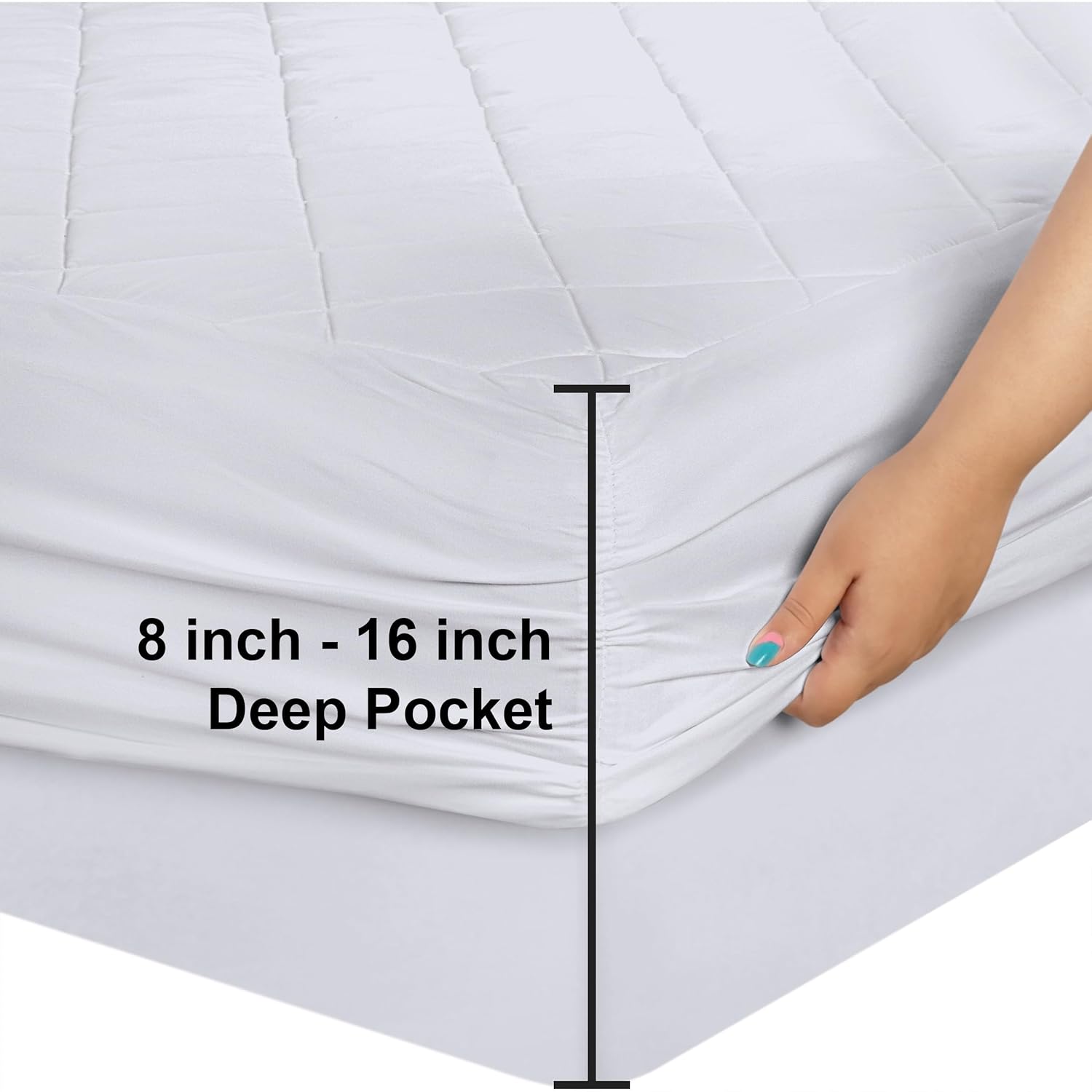
* Fits mattresses up to approximately 16 inches deep
* Stretchable fitted-sheet style skirt for secure placement
* Machine washable and dryer-friendly
* Available in multiple sizes
* Not waterproof
This product is positioned as a budget-friendly comfort upgrade rather than a heavy-duty protector or luxury topper. It’s ideal for refreshing an older mattress or adding extra softness to a firm bed.
Build Quality and Materials
The mattress pad is made primarily from polyester microfiber, a material known for being soft, lightweight, and easy to maintain. The quilted design helps keep the fiberfill layer evenly distributed across the surface, offering a smooth and cushioned feel.
Surface Material
The top fabric is brushed microfiber, which feels soft and gentle on the skin. It doesn’t have the crispness of cotton, but it provides a smooth, comfortable sleeping surface.
Filling
Inside the quilting is a plush microfiber fiberfill. This fill adds a nice amount of loft, giving your mattress a slightly more padded and cloud-like feel without the height or density of foam.
Elastic Skirt
One of the standout features is the elastic skirt designed to fit mattresses up to around 16 inches deep. Many customers note that it stays in place extremely well, even for people who move a lot during the night.
Breathability
Because this pad uses microfiber (not cotton or bamboo), breathability is moderate. If you’re a hot sleeper, you may find natural fabrics more cooling. However, for most sleepers, the airflow is adequate.
Comfort and Performance
This mattress pad shines most when it comes to comfort. The quilted fiberfill provides a noticeably softer sleeping surface, especially helpful for firm mattresses that could use a little extra cushioning.
Added Softness Without Bulk
It does not dramatically change the overall support of your mattress, it’s not a memory foam topper but it does add a comfortable layer that can reduce minor pressure points and create a more “cozy” feel.
Noise and Movement
The pad is quiet and doesn’t make crinkling or rustling sounds, which is important for light sleepers. Because the quilting is stitched in a tight pattern, the fill stays balanced rather than shifting into lumps.
Fit and Stability
Thanks to the deep pockets and strong elastic, the pad stays securely in place throughout the night. This is especially helpful for pillow-top or hybrid mattresses that many pads struggle to grip properly.
Protection Level
It’s important to note that this mattress pad is not waterproof, so it will not protect against spills or fluids. It does, however, protect against sweat, dust, skin oils, and general wear.
Ease of Care
One of the biggest advantages of this mattress pad is how easy it is to clean. It’s machine washable and safe for the dryer (low heat recommended). This makes it ideal for anyone who wants simple, low-maintenance bedding.
Frequent washing doesn’t seem to cause major issues with shrinking, the elastic skirt keeps everything in place even after multiple cycles.
Over time, the loft may compress slightly, which is normal for microfiber pads. Fluffing it in the dryer can help restore some of the fullness.

Durability: What To Expect Long-Term
Because this is a budget-level product, expectations should be realistic. Users generally find that it holds up well for several months to a few years with proper care. The stitching is surprisingly good for the price, and the skirt’s elasticity stays intact much longer than expected.
However, microfiber fill can flatten over time, especially for heavier sleepers or those who sleep in the same position nightly. While it won’t last as long as high-end luxury pads, it offers excellent longevity for its price point.
Who Is This Mattress Pad Best For?
The Utopia Bedding Quilted Fitted Mattress Pad works well for a wide range of sleepers, but it’s especially ideal for:
1. Anyone Wanting a Softer Sleeping Surface
If your mattress feels too firm, this pad adds a layer of plush comfort without drastically altering the overall support level.
2. Budget-Conscious Shoppers
This pad delivers impressive quality and comfort for a very affordable price. It’s a great value purchase.
3. Guest Rooms and Rentals
It’s inexpensive, easy to wash, and improves comfort instantly, perfect for Airbnb, cottages, or spare bedrooms.
4. People Who Want Extra Mattress Protection
Although not waterproof, it protects your mattress from general debris, skin oils, and early wear.
5. Mattresses Up to 16 Inches Deep
Many mattress pads struggle with thicker mattresses, but this one fits securely thanks to its deep elastic skirt.
Who Should Consider a Different Product?
While this mattress pad works well for most sleepers, it may not be the best choice if:
You need cooling features
Hot sleepers may benefit more from cotton, bamboo, or gel-infused toppers.
You need spill protection
Because it’s not waterproof, a separate protector is needed for liquid resistance.
You want a major change in firmness
This pad softens your bed a little but doesn’t provide the support of foam or latex toppers.
You want a luxury feel
For higher-end loft, down alternative or premium bamboo mattress pads may be better options.
Pros and Cons
Pros
* Very affordable
* Soft and comfortable quilting
* Deep fitted skirt fits most mattresses
* Stays securely in place
* Machine washable and dryer-safe
* Great value for everyday comfort
* Good for guest rooms or rentals
Cons
* Not waterproof
* Microfiber may sleep warmer than cotton
* Doesn’t significantly change mattress firmness
* Fill can flatten over time
* Not a replacement for a premium topper
Final Verdict: Is the Utopia Bedding Quilted Mattress Pad Worth It?
Yes, the Utopia Bedding Quilted Fitted Mattress Pad is a strong buy for anyone looking to quickly and affordably improve the comfort of their mattress. It adds a soft layer of cushioning, fits securely on deep mattresses, and is extremely easy to maintain.
While it doesn’t offer cooling technology, spill protection, or major firmness changes, it delivers excellent value for its price. For everyday sleepers, guest beds, or anyone wanting a cozy upgrade without spending much, it’s one of the best budget-friendly mattress pads available on Amazon.
If you want to enhance comfort and extend the life of your mattress without replacing it, this pad is a practical and cost-effective choice.

| Feature | Utopia Bedding Quilted Fitted Mattress Pad | Linenspa Premium Mattress Protector | Sleep Innovations Cradling Cloud Mattress Pad/Topper |
|---|---|---|---|
| Purpose | Adds softness + basic protection (non-waterproof) | Top-only waterproof protector (very light/no cushioning) | “Topper” style pad adds significant cushioning and loft |
| Materials / Construction | Brushed microfiber surface + fiberfill quilted; skirt fits up to ~16″ deep mattress. | Polyester top + polyurethane waterproof backing; secure fit up to ~14-18″ depth. | Quilted pillow-top style with thick padding; higher price range; more change in feel |
| Mattress Depth Fit | Up to ~16″ deep mattress. | Up to ~14-18″ depending on version. | Typically thicker mattresses supported, but check specific spec |
| Comfort / Loft | Moderate extra cushioning adds softness but not dramatically alters support | Very minimal change in feel – mostly protection only | High cushioning – more like a mattress layer than pad |
| Protection Level (Spills, Liquids) | Not waterproof. Protects from light wear but not heavy spills. | 100% waterproof top layer; strong for spills/dust mites/allergens. | Varies by model; may provide some protection but the focus is on comfort |
| Breathability / Sleep-Heat | Good value but microfiber fill may retain more heat than natural fabrics; review scored cooling at ~42/100. | Thin profile with waterproof membrane; some trade-off in breathability due to backing | Depending on fill and cover, may retain more heat due to thickness |
| Value / Price Tier | Budget-friendly – strong value for comfort upgrade | Very affordable protection option | Higher cost – premium feel / thick cushioning |
| Best Use Case | When you want to add softness on a budget to your mattress but don’t need full spill protection | When you want strong protection (water, allergens) but minimal change in feel | When you want a major feel upgrade (soft, plush) to your mattress and are willing to spend more |
| Trade-Offs | No waterproof barrier; some heat retention; doesn’t change mattress support dramatically | Doesn’t add much comfort/softness; purely a protective layer | More expensive; thicker feel may alter bed height/sheet fit; may trap more heat |
How to interpret the chart
* If your primary goal is just making your mattress feel more comfortable (softer surface) and you don’t need full spill protection, the Utopia Bedding Pad is a smart pick.
* If your primary goal is protecting the mattress (spills, kids, allergies) and you don’t care about added softness, then the Linenspa Protector is more appropriate.
* If you want both comfort upgrade + significant cushioning (almost like a pillow-top) and are okay spending more and accepting potential heat/height trade-offs, the Sleep Innovations option is the premium route.
Upgrade Your Mattress Comfort
The Utopia Bedding Quilted Fitted Mattress Pad is an affordable way to add softness, freshness, and extra comfort to any mattress.
✔ Soft quilted feel
✔ Fits up to 16-inch mattresses
✔ Machine washable
✔ Great value

Recommended Reading
(Your Bed Will Thank You!) Tired of shivering through another cold winter night? Imagine slipping into a pre-warmed, luxuriously cozy bed that melts away the day’s chill the moment you lie down. A heated mattress pad isn’t just a winter luxury; it’s a smart investment in your comfort, sleep quality, and even your energy bill. […]
Weighted blankets often provide a significant boost to sleep quality for many individuals by utilizing deep pressure stimulation, a therapeutic technique that calms the nervous system. This gentle, consistent pressure can mimic a comforting hug, reducing anxiety, promoting relaxation, and helping users fall asleep faster and stay asleep longer, though individual experiences can vary. Understanding […]
When it comes to improving your sleep quality, most people focus on bedtime routines, comfortable pillows, or the right mattress. But there’s one simple and often overlooked factor that can dramatically improve your rest — your body temperature. And one of the easiest ways to regulate it? Sleeping in the nude. It might sound unconventional, […]
What Sleep Animal Are You?
(Take a Guess – Then See Your Type Below!) Have you ever wondered why you sleep the way you do? Why some people crash the moment their head hits the pillow… while others lie awake planning tomorrow… or suddenly get a burst of energy at midnight? Believe it or not, your sleep style often mirrors […]
Weighted Blankets – Do They Really Help You Sleep Better?
Weighted blankets often provide a significant boost to sleep quality for many individuals by utilizing deep pressure stimulation, a therapeutic technique that calms the nervous system. This gentle, consistent pressure can mimic a comforting hug, reducing anxiety, promoting relaxation, and helping users fall asleep faster and stay asleep longer, though individual experiences can vary.

Understanding Weighted Blankets: What They Are and How They Work
Ever wondered what exactly a weighted blanket is, beyond just being “heavy”? Let’s dive in!
At its core, a weighted blanket is exactly what it sounds like: a blanket designed to be significantly heavier than your average duvet or throw. But it’s not just a bulky piece of fabric. These blankets are typically filled with materials like small glass beads, plastic poly pellets, or even rice/beans (though the latter two are less common in commercial products due to washability concerns). These fillings are evenly distributed throughout the blanket, often sewn into small, quilted compartments, to ensure the weight is spread out consistently across your body. The recommended weight usually ranges from 5% to 15% of your body weight, with 10% often being the sweet spot for most adults.
So, how does this extra weight translate into potential sleep benefits? The science points to something called Deep Pressure Stimulation (DPS), also known as Deep Touch Pressure (DTP). Think of it like a comforting, full-body hug, or the secure feeling of being swaddled as a baby. When the blanket applies gentle, even pressure across your body, it’s believed to activate the parasympathetic nervous system – your body’s “rest and digest” mode.
This activation is thought to:
* Increase the production of serotonin: A natural mood stabilizer that can help you feel calm and content.
* Boost melatonin: The hormone responsible for regulating your sleep-wake cycle. More melatonin generally means better sleep signals to your brain.
* Decrease cortisol: The primary stress hormone. Lower cortisol levels can reduce feelings of anxiety and promote relaxation.
In essence, the blanket’s weight provides a sensory input that many find incredibly soothing and grounding, mimicking the feeling of being held or embraced. This physical sensation can help quiet an overactive mind, reduce restlessness, and prepare your body for a more peaceful transition into sleep.
The Science Behind the Squeeze: Deep Pressure Stimulation Explained
The core of a weighted blanket’s soothing power lies in Deep Pressure Stimulation (DPS), often referred to as Deep Touch Pressure (DTP). This isn’t just any touch; it’s a firm, consistent, and gentle pressure distributed evenly across the body, much like a therapeutic hug or the comforting pressure used in swaddling infants.
When your body receives this specific type of sensory input, it triggers a fascinating physiological response. Our autonomic nervous system has two main branches:
* The Sympathetic Nervous System: This is your “fight or flight” response, kicking in during stress, anxiety, or perceived danger. It increases heart rate, boosts cortisol (the stress hormone), and keeps you alert.
* The Parasympathetic Nervous System: This is your “rest and digest” mode. It slows your heart rate, lowers blood pressure, and promotes a sense of calm and well-being.
DPS works by activating the parasympathetic nervous system, effectively hitting the ‘off switch’ on your body’s stress response. The consistent pressure sends signals to your brain that it’s safe to relax, dampening the activity of the sympathetic system.
This shift in neurological balance leads to a cascade of beneficial effects:
* Neurotransmitter Boost: The activation of the parasympathetic system is linked to an increase in the production of serotonin, a crucial neurotransmitter known for regulating mood, happiness, and well-being. Serotonin is also a precursor to melatonin, the body’s natural sleep hormone. More serotonin means more building blocks for melatonin, aiding in the regulation of your sleep-wake cycle.
* Stress Hormone Reduction: Simultaneously, DPS helps to decrease cortisol levels. Lowering this primary stress hormone directly combats feelings of anxiety and hyperarousal, making it easier for your mind and body to unwind.
In essence, the weighted blanket provides a powerful, non-pharmacological way to signal safety and relaxation to your brain, allowing your body to transition from a state of alertness to one of peaceful rest and readiness for sleep.
Weighted Blankets for Sleep Quality: Examining the Research on Insomnia and Sleep Disturbances
So, with the compelling theory of Deep Pressure Stimulation in mind, does the science back up the claims that weighted blankets genuinely improve sleep quality, especially for those battling insomnia or other sleep disturbances?
While anecdotal evidence abounds – countless users swear by their weighted blankets for a more restful night – the scientific research, though growing, is still catching up. It’s an exciting field, and early studies offer promising insights:
* Targeting Insomnia: Several smaller studies have explored the impact of weighted blankets on individuals with chronic insomnia. One notable study, published in the *Journal of Clinical Sleep Medicine* in 2020, found that participants using a weighted blanket reported significantly reduced sleep latency (the time it takes to fall asleep) and fewer awakenings during the night, leading to an overall improvement in sleep quality compared to those using a control blanket. The participants also reported feeling more refreshed in the morning.
* Anxiety and Stress-Related Sleep Issues: Given that DPS is believed to activate the parasympathetic nervous system and reduce cortisol, it’s not surprising that research often focuses on anxiety’s role in sleep. Studies on individuals with anxiety disorders or high stress levels have indicated that weighted blankets can help reduce physiological signs of stress, such as heart rate and blood pressure, potentially creating a calmer state conducive to sleep. This aligns with the idea that by calming an overactive mind, the body is better prepared for rest.
* Specific Populations: Weighted blankets have long been used in therapeutic settings for individuals with conditions like Autism Spectrum Disorder (ASD), ADHD, and sensory processing disorder, where sensory input can be dysregulating. For these populations, the deep pressure can be incredibly grounding, helping to mitigate restlessness and sensory overload that often contribute to sleep difficulties. Research in these areas has shown encouraging results regarding improved sleep patterns and reduced nighttime awakenings.
It’s important to temper expectations with the current state of research. Many of the existing studies are relatively small in scale, and more large-scale, placebo-controlled trials are needed to definitively establish the efficacy of weighted blankets for general insomnia and sleep disturbances across broader populations. Furthermore, individual responses can vary greatly; what works wonders for one person might not have the same effect on another.
However, the consistent theme emerging from both user experiences and preliminary research is that for many, the gentle, constant pressure of a weighted blanket provides a unique sense of security and calm. This physical comfort can be a powerful tool in quieting the mind and body, making the transition to sleep smoother and potentially leading to a deeper, more restorative night’s rest. While not a universal cure, they represent a promising non-pharmacological approach to improving sleep quality for a significant number of people.
Targeting Anxiety and Stress: Do Weighted Blankets Offer Relief?
Beyond just helping you drift off, a significant appeal of weighted blankets lies in their potential to soothe an anxious mind and calm a stressed body. This isn’t just a happy coincidence; it’s directly tied to the mechanics of Deep Pressure Stimulation (DPS).
When you’re feeling anxious or stressed, your sympathetic nervous system (our “fight or flight” response) is often in overdrive. This ramps up your heart rate, increases muscle tension, and floods your system with stress hormones like cortisol. It’s a state of heightened alert that makes relaxation, let alone sleep, incredibly difficult.
Enter the weighted blanket. The consistent, gentle pressure it applies acts as a powerful signal to your brain, activating your parasympathetic nervous system – the body’s natural “rest and digest” mode. This shift in neurological balance is key to unwinding.
Here’s how it helps combat anxiety and stress:
* Cortisol Reduction: One of the most significant benefits is the potential to lower cortisol levels. By dampening the “fight or flight” response, the blanket encourages your body to release its grip on stress, leading to a tangible sense of relaxation.
* Neurotransmitter Balance: The activation of the parasympathetic system is also linked to an increase in calming neurotransmitters. Specifically, it can boost serotonin, a natural mood stabilizer that promotes feelings of well-being and contentment. Serotonin, in turn, is a precursor to melatonin, the sleep hormone, further aiding the transition to a relaxed state ready for sleep.
* Physiological Calm: Studies have indicated that the use of weighted blankets can lead to reduced physiological signs of stress, such as a decrease in heart rate and blood pressure. This physical calming effect helps to quiet the internal alarm bells that often accompany anxiety.
* Grounding Sensation: Many users describe the feeling of a weighted blanket as being “grounding” or “held.” This consistent sensory input can help to disrupt repetitive anxious thoughts and bring focus back to the present moment, creating a sense of security and safety. It’s akin to the comforting embrace that can instantly diffuse tension.
While more extensive research is always ongoing, preliminary studies and a vast amount of anecdotal evidence strongly suggest that for many, weighted blankets offer a tangible, non-pharmacological way to manage daily stress and anxiety. By providing a secure, comforting cocoon, they help to downshift an overactive nervous system, making it easier to shed the day’s worries and prepare for a truly restorative night’s sleep.

Who Can Benefit Most? Exploring Specific Conditions and User Experiences
While weighted blankets offer a comforting embrace for many, certain individuals and conditions appear to benefit most significantly from their unique therapeutic properties. It’s not a one-size-fits-all solution, but for those facing specific challenges, a weighted blanket can be a game-changer.
For the Anxious and Stressed Mind
Perhaps the largest group to find profound relief are those grappling with anxiety, chronic stress, or generalized worry. As we’ve explored, the Deep Pressure Stimulation (DPS) provided by the blanket directly targets the sympathetic nervous system, helping to calm the “fight or flight” response.
* Generalized Anxiety Disorder (GAD): Many users with GAD report that the blanket helps to quiet racing thoughts and reduce the physical manifestations of anxiety, such as restlessness and muscle tension, making it easier to unwind before bed.
* High-Stress Lifestyles: For individuals with demanding jobs or high-stress environments, the blanket can serve as a powerful signal to the body that it’s time to switch off and relax, providing a much-needed mental break.
Battling Insomnia and Sleep Disturbances
While not a cure-all, weighted blankets have shown particular promise for those who struggle to fall asleep or stay asleep.
* Chronic Insomnia: Users often report a noticeable reduction in the time it takes to drift off (sleep latency) and fewer nighttime awakenings. The consistent pressure helps create a secure environment, minimizing the urge to toss and turn.
* Restless Leg Syndrome (RLS) and General Restlessness: Some individuals with RLS or a general inability to stay still in bed find the weight grounding. It can help to contain limb movements and provide a sense of stability, allowing for a more peaceful sleep.
Supporting Neurodevelopmental Conditions
Weighted blankets have a long-standing history in therapeutic settings, particularly for individuals with certain neurodevelopmental differences where sensory input plays a crucial role.
* Autism Spectrum Disorder (ASD): Many individuals on the autism spectrum experience sensory processing differences. The deep pressure from a weighted blanket can be incredibly regulating and calming, helping to reduce sensory overload and provide a sense of security, which often translates to improved sleep patterns and reduced nighttime meltdowns.
* Attention-Deficit/Hyperactivity Disorder (ADHD): For those with ADHD, the constant internal “buzz” and difficulty with self-regulation can make falling asleep a challenge. The grounding sensation of a weighted blanket can help to quiet an overactive mind and body, providing the necessary sensory input to focus on relaxation rather than internal distractions.
* Sensory Processing Disorder (SPD): Individuals with SPD may be either over-responsive or under-responsive to sensory input. For many, the deep pressure provides the specific type of calming input their nervous system craves, helping them feel more organized and less overwhelmed, ultimately facilitating better sleep.
Anyone Seeking a Deeper Sense of Calm
Beyond specific diagnoses, many everyday users find profound benefit. If you’re someone who:
* Struggles to “turn off” your brain at night: The blanket can provide a physical anchor that helps shift focus away from mental chatter.
* Craves a feeling of security and comfort: It mimics the sensation of being held or hugged, which is inherently soothing for many.
* Experiences general restlessness or difficulty settling down: The gentle pressure can help reduce fidgeting and encourage stillness.
Ultimately, while scientific research continues to grow, the widespread anecdotal evidence from countless users highlights the weighted blanket’s potential as a simple yet powerful tool for improving sleep quality and fostering a greater sense of calm, especially for those whose minds and bodies struggle to find peace.
Are Weighted Blankets Safe? Important Considerations and Contraindications
While the concept of a weighted blanket is generally safe and beneficial for many, it’s crucial to approach their use with awareness and caution. They are not a one-size-fits-all solution, and certain individuals should either avoid them or consult with a healthcare professional before incorporating one into their routine.
Key Considerations for Safe Use
The primary safety concern revolves around weight. A blanket that is too heavy can be counterproductive and even dangerous.
* Weight Matters: As a general rule, a weighted blanket should be no more than 10-12% of your body weight. For children, this percentage is often lower, and it’s essential to consult a pediatrician. An overly heavy blanket can restrict movement, cause discomfort, or, in severe cases, impede breathing. You should *always* be able to easily remove the blanket yourself without assistance.
* Ability to Remove: This is paramount. Anyone using a weighted blanket, regardless of age, must be strong enough to push the blanket off themselves if they feel uncomfortable or need to move. This makes them unsuitable for infants, toddlers, or individuals with severely limited mobility.
* Breathability and Temperature: While the weight is key, the material also plays a role. Some weighted blankets can trap heat, which might be uncomfortable for those who tend to overheat at night. Look for breathable fabrics like cotton or bamboo, and consider options with glass bead fillings over plastic pellets for better temperature regulation.
When to Exercise Caution (Contraindications)
Certain medical conditions or circumstances make weighted blankets potentially unsafe. If you fall into any of these categories, it’s vital to consult your doctor before trying a weighted blanket:
* Respiratory Issues: Individuals with conditions that affect breathing, such as asthma, sleep apnea, chronic obstructive pulmonary disease (COPD), or other respiratory illnesses, should avoid weighted blankets. The added pressure on the chest could exacerbate breathing difficulties.
* Circulatory Problems: If you have conditions like poor circulation, blood clots, or fragile blood vessels, the consistent pressure might pose a risk.
* Temperature Regulation Issues: People who struggle to regulate their body temperature due to medical conditions or medications might find weighted blankets uncomfortable or even dangerous if they lead to overheating.
* Skin Fragility or Open Wounds: The constant pressure could potentially worsen conditions involving fragile skin, pressure sores, or healing wounds.
* Claustrophobia: While not a physical contraindication, individuals prone to claustrophobia might find the contained feeling of a weighted blanket anxiety-inducing rather than calming.
* Mobility Limitations: As mentioned, anyone who cannot easily remove the blanket themselves (e.g., due to paralysis, severe weakness, or post-surgical recovery) should not use a weighted blanket.
* Very Young Children and Infants: Weighted blankets are NOT safe for infants and toddlers. The risk of suffocation is extremely high, as they may not have the strength or coordination to remove the blanket if it covers their face or restricts their breathing. Always follow age and weight guidelines strictly.
In summary, while weighted blankets offer a unique path to relaxation and improved sleep for many, responsible use is key. Always prioritize safety, choose the correct weight, and when in doubt, consult with a healthcare professional to ensure it’s the right choice for your individual health needs.

Choosing the Right Weighted Blanket: A Practical Guide
So, you’re convinced a weighted blanket might be your ticket to dreamland. But with so many options out there, how do you pick the perfect one? Choosing the right blanket is crucial not just for comfort and effectiveness, but also for safety. Here’s a practical guide to help you make an informed decision:
1. Get the Weight Right (This is Key!)
This is the most critical factor. A blanket that’s too light won’t provide enough Deep Pressure Stimulation (DPS), and one that’s too heavy can be uncomfortable, restrictive, or even unsafe.
* The 10% Rule: The widely recommended guideline is to choose a blanket that’s approximately **10% of your body weight**. So, if you weigh 150 lbs, a 15 lb blanket is a good starting point.
* Adjust for Preference: Some people prefer slightly less (around 8%) or slightly more (up to 12-15%), but always ensure you can easily lift and remove the blanket yourself without struggle.
* For Children: The 10% rule can be too high for children. Always consult a pediatrician, but generally, children’s blankets are lighter, often in the 3-8 lb range, and they *must* be able to remove it independently. Never use a weighted blanket for infants or toddlers.
* Sharing? If two people are sharing a blanket, consider the combined weight, but often it’s better for each person to have their own appropriately weighted blanket for optimal individual benefit.
2. Consider the Size
Weighted blankets come in various sizes, often corresponding to standard bed dimensions (twin, full, queen, king).
* Individual Use: If it’s just for you, a blanket that covers your body (e.g., a twin size for a queen bed if you sleep alone) is often ideal. This concentrates the weight more effectively.
* Bed Size Match: If you want it to drape over the sides of your bed like a regular comforter, choose a size that matches your mattress. Be aware that the weight will be distributed over a larger area, potentially feeling less intense.
* No Overhang: Ideally, the weighted portion of the blanket shouldn’t hang too far off the sides of the bed, as this can pull the blanket off during the night.
3. Explore Filling Materials
The “weight” in a weighted blanket comes from its internal filling. Different materials offer different experiences.
* Glass Beads: These are tiny, sand-like beads. They are generally preferred as they are:
* Denser: Allowing for a thinner blanket profile.
* Quieter: Less likely to shift and make noise.
* Cooler: They don’t retain heat as much as plastic.
* Often found in higher-quality, more expensive blankets.
* Plastic Poly Pellets: These are small, pea-sized plastic beads. They are:
* More Affordable: Common in budget-friendly options.
* Bulkier/Noisier: Can shift around more and create a subtle rustling sound.
* Retain Heat: May feel warmer than glass beads.
* Sand/Rice/Beans: You might see these in DIY blankets. Avoid commercial blankets with these fillings as they are difficult to clean, prone to mold, and can attract pests.
Look for Even Distribution: Regardless of the filling, ensure the blanket has small, quilted compartments or pockets. This prevents the filling from clumping in one area and ensures the weight is evenly distributed across your body.
4. Choose the Right Outer Material (Fabric)
The fabric of your weighted blanket (or its removable cover) impacts comfort, temperature regulation, and feel.
* Cotton: A popular choice for its breathability, durability, and softness. Good for year-round use.
* Bamboo: Excellent for hot sleepers. Bamboo fabric is incredibly soft, breathable, and has moisture-wicking properties, helping to keep you cool.
* Minky/Fleece: Super soft, plush, and warm. Ideal for cold climates or those who tend to feel chilly at night.
* Linen: Known for its durability and natural breathability, offering a slightly textured feel.
* Removable Covers: Highly recommended! A removable, washable cover makes cleaning much easier and extends the life of your blanket. You can often buy multiple covers to swap out based on season or preference.
5. Consider Care and Maintenance
Weighted blankets can be heavy and bulky, making washing a challenge.
* Check Washing Instructions: Always look at the care label before purchasing. Some blankets are machine washable, while others require spot cleaning or professional dry cleaning.
* Removable Covers are Your Friend: As mentioned, a blanket with a removable, washable cover is a huge convenience. This allows you to easily keep your sleeping environment fresh without having to wash the entire heavy blanket.
6. Set Your Budget
Weighted blankets vary widely in price, from under $50 to several hundred dollars, depending on size, filling, fabric, and brand. Consider it an investment in your sleep and well-being. Read reviews and compare features to find the best value for your needs.
7. Look for a Trial Period/Return Policy
Since personal preference plays a significant role in the effectiveness of a weighted blanket, look for brands that offer a trial period or a generous return policy. This allows you to test it out in your own sleep environment and ensure it’s the right fit for you.
By carefully considering these factors, you can select a weighted blanket that not only feels comfortable and safe but also provides the optimal Deep Pressure Stimulation to help you achieve the restful, restorative sleep you deserve.
The Verdict: Do Weighted Blankets Truly Improve Sleep and Reduce Anxiety?
After exploring the mechanics of Deep Pressure Stimulation (DPS), delving into the emerging scientific research, and understanding who stands to benefit most, we arrive at the crucial question: Do weighted blankets truly live up to their hype?
The verdict, while nuanced, is overwhelmingly positive for a significant number of users.
At its core, the effectiveness of a weighted blanket lies in its ability to harness Deep Pressure Stimulation. This gentle, consistent pressure acts as a powerful signal to your nervous system, effectively activating your “rest and digest” mode (the parasympathetic nervous system) and dialing down your “fight or flight” response (the sympathetic nervous system). This physiological shift is the foundation for their calming power, leading to:
* Increased serotonin and melatonin: Promoting feelings of well-being and signaling to your body that it’s time for sleep.
* Decreased cortisol: Reducing the primary stress hormone that keeps you wired and anxious.
* A profound sense of security and grounding: Mimicking the comforting feeling of a hug or being swaddled.
Does the science back it up? While the research is still evolving and many studies are small-scale, the preliminary findings are highly encouraging. Studies have shown:
* Reduced sleep latency: Helping people fall asleep faster.
* Fewer nighttime awakenings: Leading to more consolidated sleep.
* Lower physiological signs of stress: Such as reduced heart rate and blood pressure.
* Significant benefits for specific populations: Especially those with anxiety, ADHD, ASD, or sensory processing disorders, who often find the deep pressure incredibly regulating and calming.
Beyond the scientific papers, the sheer volume of anecdotal evidence is compelling. Millions of individuals worldwide swear by their weighted blankets, reporting a noticeable improvement in their ability to relax, quiet a restless mind, and drift into a deeper, more restorative sleep. For many, it’s become an indispensable tool in their nightly routine, providing a tangible sense of comfort and a physical anchor that helps them shed the day’s stresses.
It’s important to manage expectations. Weighted blankets are not a universal cure-all for every sleep issue, and individual responses can vary. What works wonders for one person might not have the same profound effect on another. Moreover, they are a non-pharmacological aid, meaning they complement a healthy sleep hygiene routine rather than replacing it.
The final takeaway? For those struggling with anxiety, chronic stress, difficulty falling asleep, or simply a restless mind at night, a weighted blanket offers a promising, safe, and drug-free approach to improving sleep quality and fostering a greater sense of calm. By providing that consistent, comforting embrace, they help many individuals transition from a state of alertness to one of peaceful rest, making the journey to dreamland a little smoother and a lot more serene. If you’ve been on the fence, and you’ve considered the safety guidelines, it might just be the comforting solution you’ve been searching for.
Recommended Reading
The Benefits Of Sleeping In The Nude
When it comes to improving your sleep quality, most people focus on bedtime routines, comfortable pillows, or the right mattress. But there’s one simple and often overlooked factor that can dramatically improve your rest — your body temperature. And one of the easiest ways to regulate it? Sleeping in the nude. It might sound unconventional, […]
The Ultimate Guide To The Best Pillow For Side Sleepers When it comes to getting a good night’s sleep, your pillow matters just as much as your mattress. For the millions of people who sleep on their sides, finding the best pillow for side sleepers can mean the difference between waking up refreshed or waking […]
Comfortable Mattress and Pillow: Sleep Better Tonight
A comfortable mattress and pillow are the foundation of restful sleep, providing the support your body needs to relax, recover, and wake up refreshed. Comfortable Mattress and Pillow: The Foundation of Quality Sleep When it comes to better sleep, most people focus on bedtime routines, relaxation habits, or limiting caffeine. While all of these matter, […]
Best Sleep Masks For Total Darkness and Deeper Sleep
In a world brimming with light pollution, achieving the profound darkness essential for truly restorative sleep can feel like an impossible dream. Streetlights creep through blinds, digital clocks glow across the room, and the early morning sun often breaks through before we’re ready to wake.
But what if a simple, comfortable solution could transform your nights?
Enter the sleep mask, a deceptively small accessory with the power to create a sanctuary of darkness anytime, anywhere. This guide dives deep into the science of why darkness is critical, how light disrupts your sleep, what makes a high-quality mask effective, and how to integrate one into your nightly routine for maximum impact.
By the end, you’ll know exactly how to choose, use, and benefit from this underrated sleep tool — so you can wake up refreshed, recharged, and ready to thrive.

Why Total Darkness Is Essential for Restorative Sleep
It’s tempting to dismiss darkness as “nice to have” rather than “necessary.” But research shows even a tiny sliver of light — a streetlamp outside, the glow of a phone charging, or an illuminated alarm clock — can significantly disrupt your sleep quality.
Here’s why total darkness is non-negotiable:
1. Melatonin Production
* Darkness is the trigger for melatonin, your body’s sleep hormone.
* Even minimal light exposure can suppress melatonin, delaying sleep onset and reducing sleep quality.
* Think of melatonin as your body’s “power down” signal: without it, you remain stuck in alert mode.
2. Circadian Rhythm Regulation
* Your circadian rhythm is the 24-hour internal clock that dictates sleep-wake cycles, hormone release, and body temperature.
* Light at night sends confusing signals to this rhythm, essentially “resetting” your body to believe it’s still daytime.
* Consistent darkness strengthens circadian timing, making it easier to fall asleep at night and wake naturally in the morning.
3. Accessing Deeper Sleep Stages
* Quality sleep isn’t about hours in bed; it’s about time spent in NREM deep sleep and REM cycles.
* Light interruptions, even brief, can pull you into lighter stages of sleep, preventing you from reaching the restorative depths where true healing, memory consolidation, and emotional regulation occur.
4. Health Benefits Beyond Sleep
Total darkness supports:
* A stronger immune system
* More stable blood sugar levels
* Better mood regulation
* Healthier skin and cellular repair
👉 In short: darkness isn’t optional. It’s foundational to restorative sleep and long-term well-being.
The Science: How Light Disrupts Sleep
Most people know light affects vision, but few realize the hidden system in your eyes designed specifically for regulating sleep.
Inside your retina live specialized light sensors called ipRGCs (intrinsically photosensitive Retinal Ganglion Cells). These don’t help you see images — instead, they detect light intensity and send signals to your brain’s suprachiasmatic nucleus (SCN), your body’s master clock.
Here’s what happens:
1. Light, especially blue light (from phones, LEDs, laptops), hits ipRGCs.
2. They signal the SCN: “It’s daytime!”
3. The SCN instructs the pineal gland to stop producing melatonin.
The result: your body’s entire rhythm is delayed. Instead of winding down for sleep, your system remains alert, often hours past bedtime.
Why Blue Light Is the Worst Offender
* Smartphones, tablets, TVs, and LED bulbs all emit strong blue wavelengths, which most powerfully suppress melatonin.
* Your eyelids don’t block this well — even with eyes closed, blue light penetrates.
* That’s why digital detox before bed is so critical, and why a sleep mask offers essential backup.
Over time, exposure leads to circadian misalignment: difficulty falling asleep, shallow rest, and groggy mornings.
What Makes a Sleep Mask Truly Effective?
Not all masks are equal. A $2 airline freebie won’t deliver the same results as a carefully designed, ergonomic sleep mask. Here are the key features to look for:
1. Total Light Blockage
* Contoured Design: Shaped masks seal around the nose and cheeks to prevent leaks.
* Thick, Opaque Fabric: Multi-layered or dense fabrics ensure no light penetrates.
2. Pressure-Free Comfort
* 3D Eye Cavities: Allow free eye movement during REM sleep, prevent lash damage, and avoid eyeball pressure.
* Soft, Breathable Materials: Look for silk, bamboo, cotton, or ventilated memory foam to reduce overheating.
3. Adjustable, Secure Fit
* Customizable Straps: Velcro, buckles, or sliders allow the right tension without headaches.
* Even Pressure Distribution: Straps shouldn’t dig into ears or temples.
4. Durability & Easy Care
* Washable fabrics = better hygiene.
* Reinforced stitching = long lifespan.
👉 Think of your sleep mask as equipment, not just fabric. Choose one designed for nightly use.
The Best Sleep Mask for Total Blackout
Now that you know what makes a sleep mask truly effective, here is our top recommendation. We’ve scoured the market for masks that consistently deliver on total light blockage, supreme comfort, and lasting quality, ensuring you get the restorative sleep you deserve.
Manta Sleep Mask — The Customizable Blackout King
If absolute darkness and zero eye pressure are your non-negotiables, the Manta Sleep Mask is engineered for perfection. It consistently tops “best of” lists for a reason.
* Modular, C-shaped eye cups = 100% darkness.
* Deep eye cavities = zero pressure during REM.
* Micro-velcro strap ensures secure, comfortable fit.
* Built to last, easy to wash.
Uncompromising Light Blockage – Modular, C-shaped eye cups are fully adjustable and detachable, allowing you to position them perfectly to mold to the unique contours of your face ensuring 100% light elimination.
Pressure-Free Comfort –Deep, spacious eye cups create a true “blackout cave” for your eyes, meaning absolutely no pressure on your eyelids or eyelashes. This is crucial for allowing your eyes to move freely during REM sleep and preventing any smudging of makeup or irritation for lash extension wearers.
Adjustable, Secure Fit: A wide, soft elastic strap with micro-velcro provides infinite adjustability, ensuring a snug yet comfortable fit that won’t dig in or slip off, even for active sleepers.
Durability & Easy Care: Constructed from high-quality, breathable materials, the Manta mask is built to last through countless nights. It’s also easy to hand wash.
Best for: Side sleepers, shift workers, anyone who demands perfect blackout.
Beyond Darkness: Comfort, Fit, and Breathability
You’re going to be wearing this mask for hours on end, so it needs to feel like a second skin, not a restrictive garment. True comfort goes beyond just soft fabric; it involves intelligent design that respects your delicate facial contours and allows for natural bodily functions, even during sleep.
Blocking light is priority #1, but a mask also needs to be:
* Comfortable → Zero pressure points, soft fabric.
* Secure → Stays in place without slipping.
* Breathable → Prevents sweating and skin irritation.
If a mask isn’t pleasant to wear, you won’t stick with it, and consistency is where the real benefits come in.
By considering these critical aspects beyond just light blockage, you’re not just choosing a mask; you’re selecting a sleep companion designed to enhance your comfort, promote uninterrupted rest, and ultimately, elevate the quality of your nightly rejuvenation.
Maximizing Your Mask: Tips for Better Sleep
A mask alone won’t guarantee perfect sleep — it needs to be part of your bedtime ecosystem.
1. Make It Routine
* Use it every night, not just “bad light” nights.
* Train your brain to associate the mask with sleep onset.
2. Optimize Your Sleep Sanctuary
* Keep your bedroom cool (60–67°F).
* Minimize noise (white noise machines help).
* Remove screens at least 1 hour before bed.
3. Use It in Your Wind-Down Routine
* Put on your mask during meditation, light reading, or calming audio.
* This signals your brain that sleep is approaching.
4. Clean It Regularly
* Wash weekly to prevent oil, sweat, or makeup build-up.
* A clean mask = more comfort, fewer skin issues.
5. Travel With It
* Essential on planes, trains, or in hotels.
* Portable blackout anywhere you go.
By thoughtfully incorporating your sleep mask into your routine and understanding its supporting role in overall sleep hygiene, you’ll unlock its full potential. It’s not just about blocking light; it’s about signaling to your body that it’s time for profound, restorative sleep, night after night.
Complementary Habits for Deeper Sleep
While your sleep mask is an indispensable tool for achieving the total darkness crucial for deep sleep, it’s just one piece of the puzzle. Think of it as the ultimate seal on a perfectly optimized sleep environment.
To truly unlock the full spectrum of restorative rest, your mask needs to work in harmony with a suite of complementary habits that prepare your mind and body for slumber. These practices amplify your mask’s effectiveness, creating a powerful synergy for unparalleled sleep quality.
Pair your mask with these practices:
* Consistent sleep schedule → go to bed and wake up at the same time daily.
* Wind-down ritual → dim lights, stretch, read, or journal before bed.
* Mind your diet → avoid caffeine late in the day, limit alcohol, finish dinner 2–3 hrs before sleep, stay hydrated through out the day and reduce fluid intake 1-2 hours before bed
* Optimize your sleep environment → keep your bedroom cool, avoid noise disruptions, soothing background noise, comfortable mattress, pillows & bedding
* Daily exercise → morning or afternoon activity supports deeper sleep at night.
Consistent exercise during the day can profoundly improve sleep quality, helping you fall asleep faster and enjoy deeper sleep. However, timing is crucial:
Morning or Afternoon Best – Aim to exercise earlier in the day. Intense workouts too close to bedtime can elevate your core body temperature and stimulate your nervous system, making it harder to wind down.
Consistency Over Intensity – Even moderate daily activity, like a brisk walk, can make a positive impact.
Together, these amplify the mask’s benefits into true sleep transformation.
Embrace the Darkness, Embrace Better Sleep
In today’s artificially lit world, total darkness is a rare gift, but one that’s essential for health. A well-chosen sleep mask is more than a fabric accessory; it’s a gateway to restorative rest.
By blocking stray light, supporting melatonin, and reinforcing your circadian rhythm, a mask allows you to reach the deepest stages of healing sleep. Combined with consistent sleep hygiene, it can improve mood, sharpen focus, boost immunity, and leave you feeling refreshed every morning.
So don’t underestimate this simple tool. Choose a mask that balances light blockage, comfort, and fit. Make it part of your nightly ritual. And experience what it feels like to wake up truly restored — ready to embrace each day with energy and clarity.
👉 Invest in your darkness. Invest in your sleep. Invest in yourself.