Pillows
Best Pillow For Side Sleepers

The Ultimate Guide To The Best Pillow For Side Sleepers
When it comes to getting a good night’s sleep, your pillow matters just as much as your mattress. For the millions of people who sleep on their sides, finding the best pillow for side sleepers can mean the difference between waking up refreshed or waking up with nagging neck, shoulder, or back pain.
As a side sleeper, the right pillow is crucial for maintaining proper spinal alignment and achieving pain-free, restorative sleep. The right design cradles your head and neck, banishes discomfort, and helps unlock the deep, sound rest your body needs.
In this comprehensive guide, we’ll cover everything you need to know:
* Why Spinal Alignment Matters: How the right pillow supports a neutral spine and prevents strain.
*Pillow Types & Materials: From memory foam to body pillows, explore the options best suited for side sleepers.
*Loft & Firmness: How to select the correct height and support level for your body type and mattress.
*Specialized Solutions: The best pillows for side sleepers with neck pain, shoulder pain, or back issues.
*Trending & Expert Picks: From Reddit recommendations to Consumer Reports favorites, plus the latest pillow designs for 2025.
Whether you’re searching for the best pillow for side sleepers with back pain, wondering what firmness works best, or looking for real-world tested options, you’ll find everything you need right here.
Why Side Sleepers Need Special Pillows
Side sleeping is one of the healthiest positions – it helps reduce snoring, supports spinal alignment, and may even improve digestion. But it also creates pressure points at the shoulders, hips, and neck. Without the right pillow, side sleepers often wake up with stiffness, soreness, or disrupted sleep.
Here’s why pillow choice is crucial:
* Neck alignment: A pillow that’s too flat can cause your head to droop, straining the neck. Too high, and it pushes the head upward, creating misalignment.
*Shoulder support: Side sleeping puts body weight on one shoulder; the right pillow helps relieve pressure.
*Spinal balance: A supportive pillow keeps the head, neck, and spine in neutral alignment, reducing pain.
That’s why sleep experts recommend choosing a pillow designed specifically for side sleepers.

Why Spinal Alignment Matters For Side Sleepers
Optimal spinal alignment is the cornerstone of restorative sleep. When your head and neck are properly supported, your spine remains in a neutral position, preventing strain on the muscles and joints. For side sleepers, who naturally create a gap between the shoulder and the mattress, the pillow must fill this space without collapsing.
Failing to maintain alignment can lead to:
*Morning neck stiffness.
*Shoulder discomfort from excess pressure.
*Long-term posture problems.
Choosing the best pillow for side sleepers isn’t just about comfort—it’s about ensuring your body is supported for long-term health.
KUCEY Shoulder & Side Sleeper Pillow (Shredded Memory Foam, Adjustable)
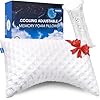 This pillow uses shredded memory foam in a crescent shape, which allows adjustability of loft and firmness.
Pros: adjustable fill lets users tune height and firmness; shredded foam stays airier; the curved shape helps hug around the shoulder zone.
Cons: shredded foam sometimes shifts or clumps; if overstuffed, might feel too firm; some users prefer solid foam contour pillows for consistent support.
What Type of Pillow Is Best For Side Sleepers?
The best pillow for side sleepers typically offers medium-to-firm support with enough loft (height) to fill the space between your head and the mattress. Here are the main types:
1. Memory Foam Pillows
* Conform to the shape of your head and neck.
*Great for targeted support.
2. Latex Pillows
*Naturally supportive and breathable.
*More durable than memory foam.
*Excellent if you want both firmness and airflow.
3. Feather or Down Pillows
*Softer and adjustable.
*Work best if you prefer a plush feel, though may lack firm support.
4. Body Pillows
*Provide full-body support.
*Ideal for side sleepers who like hugging a pillow or need hip / leg alignment.
5. Knee Pillows
*Placed between knees to reduce hip and lower back strain.
*Recommended for people searching for what is the best knee pillow for side sleepers.
Contour Legacy Cool Leg & Knee Foam Support Pillow
 This is a cooler variant with added gel or “cool layer” properties (gel memory foam + breathable cover) to help with temperature regulation.
Pros: all the alignment benefits of the original plus better heat dissipation, reduces tendency to overheat.
Cons: the cooling benefits may not be dramatic in very warm rooms; still the same shape so the same caveats on fit and knee separation apply.
What Pillow Firmness Is Best For Side Sleepers?
Firmness is one of the most common questions. The truth is:
* Medium-firm to firm pillows are usually the best choice for side sleepers because they provide consistent support.
*Softer pillows may feel comfortable at first but often flatten, leading to misalignment.
*If you experience shoulder or neck pain, a firmer pillow will help maintain proper support through the night.
Ultra Pain Relief Adjustable Cervical Pillow

This pillow features adjustable memory foam, a hollow / concave design to cradle the head, and six contour zones, plus a cooling cover.
Pros: customizable height, versatile contour zones, cooling cover, good support for side sleepers.
Cons: size may not suit smaller frames; as one reviewer noted, “neck and ears still hurt” for some users.
Key Pillow Features Side Sleepers Should Look For
Not every pillow is designed for side sleepers. To avoid trial-and-error frustration, focus on these key pillow features:
1. Loft (Height):
*Side sleepers generally need 4–6 inches of loft.
*Too low = neck droops down.
*Too high = head is pushed upward.
2. Firmness:
*Medium-firm to firm ensures your pillow holds its shape overnight.
*Prevents flattening that can cause misalignment.
3. Fill Material:
* Memory foam – contours to your unique shape.
*Latex – supportive, breathable, and durable.
*Down / feather – plush but may lack consistent support.
*Adjustable fill blends – customizable to body size and mattress type.
By focusing on loft, firmness, and fill, you’ll narrow in on what pillow is best for your side-sleeping needs.
Key Factors To Consider Before Buying
1. Loft (Height) – Aim for 4–6 inches for proper alignment.
2. Material – Memory foam, latex, or hybrid designs work best.
3. Firmness – Medium-firm is the sweet spot for most.
4. Breathability – Gel or ventilated foam helps hot sleepers.
5. Budget – Options exist for under $50, but high-end pillows may last longer.
Best Pillow For Side Sleepers In 2025
Each year, brands release improved versions of their products, with better materials and new designs. Searches like best pillow for side sleepers 2025 or even best pillow for side sleepers 2024 reflect the ongoing demand for up-to-date recommendations.
If you’re shopping now, make sure to check for:
*Warranty and trial periods.
*Materials (organic, hypoallergenic, breathable).
*Adjustability (removable foam layers or filling).
Beckham Hotel Collection (2-Pack, Down Alternative)

While not “specialty” side-sleeper pillows, they are a good value set with decent loft and plushness.
Pros: soft but somewhat supportive; good for sleepers who want more cushioning rather than strong structure.
Cons: may not provide ideal neck alignment for side sleepers with broad shoulders; down alternatives tend to compress over time.
How To Choose The Right Option
| Need / Concern | Best Pick | Why |
|---|---|---|
| Structured alignment for knees and hips | Contour Legacy Leg & Knee Foam Support Pillow | Ergonomic hourglass design keeps legs, hips, and spine aligned — ideal for relieving pressure and sciatica pain. |
| Cooler comfort for leg alignment | Contour Legacy Cool Leg & Knee Foam Pillow | Adds gel-infused cooling layer and breathable cover for those who overheat while sleeping on their side. |
| Full-body cradling and pregnancy support | Momcozy U-Shaped Full Body Pillow | Supports the entire body from head to feet — perfect for side sleepers who want total-body comfort or need maternity support. |
| Soft, plush comfort at an affordable price | Beckham Hotel Collection Down Alternative Pillow (2-Pack) | Provides a cloud-like feel with gentle support; ideal for side sleepers who prefer a softer pillow without spending much. |
| Targeted neck and shoulder alignment | Derila Cervical Memory Foam Pillow | Contoured design keeps the neck in a neutral position and minimizes morning stiffness or neck pain. |
| Wraparound comfort for side-sleeping and pregnancy | DMI U-Shaped Contoured Pillow | Provides U-shaped support for back, belly, and knees — great for people who change sides through the night. |
| Orthopedic contour for deep cervical support | C Cushion Lab Deep Sleep Pillow | Scientifically contoured to relieve neck pressure and maintain spinal alignment for strict side sleepers. |
| Customizable height and firmness | Ultra Pain Relief Adjustable Cervical Pillow | Adjustable memory foam fill allows you to fine-tune loft and firmness for your shoulder width and comfort level. |
| Adjustable shredded foam with shoulder contour | KUCEY Shoulder Side Sleeper Pillow | Curved shape fits naturally around the shoulder while the shredded foam fill can be customized for ideal side-sleeper alignment. |
The Role of Body and Knee Pillows
Don’t overlook additional pillows:
* Body pillows support the torso and hips, making them especially useful for people with shoulder pain or those who like hugging a pillow.
*Knee pillows are small but powerful tools for spinal alignment.
When someone searches what is the best body pillow for side sleepers or what is the best knee pillow for side sleepers, they’re looking for these supportive extras that improve posture overnight.
Contour Legacy Leg & Knee Foam Support Pillow
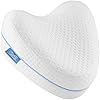
This ergonomic, hourglass-style memory foam leg pillow is built to fit between the knees, offering support not only at the knees but also along the legs to help maintain alignment of hips, spine, and joints.
Pros: breathable/ventilated foam, removable cover, good for alleviating pressure and sciatica points.
Cons: For some heavier sleepers or those with wide leg spacing, a single unit might not fully fill the gap; may take a night or two to find the ideal positioning.
Momcozy U-Shaped Pregnancy Full-Body Pillow
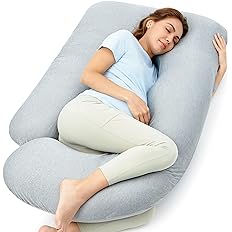
This large U-shaped pillow can cradle your body from head to feet, offering support under the belly, behind the back, and between the legs.
Pros: excellent for full body alignment, useful not just for pregnancy but for side sleepers who like extra support; cooling cover helps with breathability.
Cons: bulky and takes up a lot of bed space; can require repositioning during the night; might feel excessive for those who prefer minimal pillows.
Special Types of Pillows For Side Sleepers
Here’s a breakdown of the most searched pillow types:
1. Best Firm Pillow for Side Sleepers
*Perfect for those who want strong support.
2. Best Bed Pillow for Side Sleepers
*A standard option that balances comfort and cost.
3. Best Purple Pillow for Side Sleepers
*The Purple brand uses a hyper-elastic polymer grid that’s supportive yet breathable.
4. Best Pillow Top Mattress for Side Sleepers
*While not a pillow, many people search for this because they want a mattress with plush top layers designed for side sleeping.
5. Best Pillow for Side Sleepers Who Snore
*Snoring is reduced when the airways are open—elevating the head slightly can help.
6. Best Pillow for Side and Back Sleepers
*If you switch between positions, look for an adjustable loft pillow that adapts to both.
DMI U-Shaped Side Pregnancy Pillow
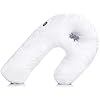
This is a hybrid: partly a side pillow but with a U-shape wrap. It claims to help with shoulder, neck, hip, and sciatica relief.
Pros: gives support around the body, helps limit twisting; good for side sleepers who move around.
Cons: may be too bulky for minimalists; may need adjustment to find the right orientation.
Best Pillow For Side Sleepers With Neck Pain
If you often wake up with stiffness or soreness in your neck, your pillow is likely to blame. The best pillow for side sleepers with neck pain should:
*Keep the neck aligned with the spine.
*Offer medium-firm support.
*Be made of contouring materials like memory foam or latex.
Specific phrases people often search include:
*best pillow for side sleepers with neck and shoulder pain
*best pillow for side sleepers and neck pain
*best pillow for side sleepers neck pain
*neck pain best pillow for side sleepers
A cervical or contoured pillow is often the best solution because it cradles the neck while supporting the head.
Derila Cervical Side-Sleeper Memory Foam Pillow

This ergonomic contour pillow is sized to support side sleepers, with raised edges and central dip to cradle the head and neck.
Pros: targeted neck support, helps maintain neutral spine; memory foam conforms to shape.
Cons: relatively firm; some users might find the loft too high or low depending on shoulder width; may take time to adjust.
Best Pillow For Side Sleepers With Shoulder Pain
Shoulder pressure is another common issue. The best pillow for side sleepers with shoulder pain is one with a high enough loft to prevent the body from collapsing onto the shoulder. Memory foam and shredded foam pillows work well since they adapt to the contour of your body.
Searches like best pillow for side sleepers with shoulder and neck pain or best pillow for side sleepers with arm under pillow highlight the need for pillows that relieve shoulder stress while keeping the spine neutral.
Banish Neck & Shoulder Pain with the Right Pillow
Side sleepers often suffer from sore shoulders and stiff necks. This happens because pressure builds at the points where your body meets the mattress.
The best pillow for side sleepers with neck pain or best pillow for side sleepers with shoulder pain should:
*Support the curve of your neck while keeping your head in line with your spine.
*Relieve pressure points on the shoulders.
*Provide consistent height so the head doesn’t dip overnight.
Options like contoured cervical pillows or gusseted pillows (with raised edges) are excellent choices. By cradling your unique contours, the right pillow can eliminate pain and discomfort, making mornings far more pleasant.
Personalized Pillow Selection Guide
No two sleepers are the same. Your personalized pillow choice should consider:
* Body type: Broader shoulders may need a higher loft; smaller frames may need less.
*Mattress firmness: A softer mattress allows shoulders to sink in, reducing loft needs. A firmer mattress requires a taller pillow.
*Personal comfort: Some people prefer hugging a body pillow, while others need the structure of a firm memory foam pillow.
Unlock Restorative Sleep
The real goal isn’t just avoiding pain—it’s achieving deep, restorative sleep. When your pillow supports your neck, shoulders, and spine correctly, you’ll experience:
*Reduced tossing and turning.
*Decreased snoring (airways remain more open).
*Improved circulation.
*More time spent in deep and REM sleep stages.
Investing in the best pillow for side sleepers is investing in uninterrupted, rejuvenating sleep that carries into every part of your day.
Trending Searches: Reddit & Consumer Reports
Many side sleepers look for community reviews before buying:
*best pillow for side sleepers Reddit – threads often recommend memory foam or adjustable pillows.
*consumer reports best pillow for side sleepers – reputable testing organizations confirm that side sleepers need higher loft and firm support.
These sources are excellent for unbiased insights and real-life feedback.
If you’re a side sleeper, the wrong pillow can cause years of discomfort, while the right one can dramatically improve your sleep quality. The best pillow for side sleepers is one that supports your neck, keeps your spine aligned, and reduces shoulder and back pain.
Whether you’re dealing with neck pain, shoulder pain, or simply want to upgrade your current pillow, there’s a solution designed just for you. From memory foam to body pillows, firm options to adjustable lofts, today’s market is full of choices that cater to side sleepers’ unique needs.
Sleep better, wake up refreshed, and give your neck and shoulders the support they deserve.
Frequently Asked Questions
What kind of pillow is best for side sleepers?
Memory foam or latex pillows with medium-firm support.
Which pillow is best for side sleepers with back pain?
A medium-firm memory foam pillow paired with a knee pillow.
What is the best type of pillow for side sleepers?
One that maintains neck alignment and relieves shoulder pressure.
Is a firm or soft pillow better for side sleepers?
Firm or medium-firm is better, as soft pillows flatten too easily.
What’s the best pillow for side sleepers in 2025?
Adjustable memory foam pillows remain the most recommended option.
C CUSHION LAB Deep Sleep (Orthopedic / Contour)

A contoured cervical pillow aiming to cradle the head and provide shoulder/neck relief in side and back sleeping positions.
Pros: ergonomic shape, designed to reduce pressure on the neck; good option for side sleepers who need neck lift.
Cons: contour design limits repositioning freedom; not ideal for stomach sleeping.
Recommended Reading
Comfortable Mattress and Pillow: Sleep Better Tonight
A comfortable mattress and pillow are the foundation of restful sleep, providing the support your body needs to relax, recover, and wake up refreshed. Comfortable Mattress and Pillow: The Foundation of Quality Sleep When it comes to better sleep, most people focus on bedtime routines, relaxation habits, or limiting caffeine. While all of these matter, […]
Short Naps Only: Boost Energy Without Losing Sleep
Short naps are a simple yet powerful way to recharge your energy, boost focus, and improve productivity without disrupting your nighttime sleep. Short Naps Only: How Power Naps Can Improve Energy Without Ruining Sleep For many people, the mid-afternoon slump is real. Energy dips, focus fades, and eyelids feel heavy. Reaching for a cup of […]
Relaxation And Stress Management for Better Sleep
Relaxation and stress management are essential practices for calming the mind, easing tension, and creating the foundation for better sleep and overall health. Relaxation and Stress Management: The Key to Better Sleep and Health In today’s fast-paced world, stress seems to follow us everywhere, through work, finances, family responsibilities, and even our phones. While some […]
How To Choose The Right Pillow For Your Sleep Style
Tired of waking up with a stiff neck or restless nights? Your pillow might be the problem, but finding the right one doesn’t have to be a nightmare.
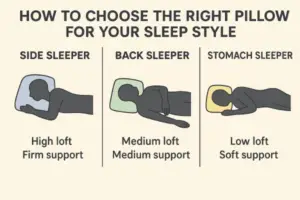
This guide cuts through the confusion and shows you how to match the perfect pillow to your sleep style, whether you’re a side, back, or stomach sleeper. With the right choice, you’ll support spinal alignment, maximize comfort, and unlock deep, restorative rest.

Why Your Pillow Is More Than Just a Headrest
Most people see a pillow as little more than a soft landing pad. But here’s the truth: your pillow is the unsung hero of healthy sleep.
* Your spine follows a natural “S” curve.
* A pillow’s job is to fill the gap between your head and shoulders so your neck stays in a neutral position.
* When your pillow is too high, flat, or the wrong shape, it forces your neck into awkward angles.
The Consequences of a Bad Pillow
* Neck stiffness
* Tension headaches
* Shoulder and upper back pain
* Poor sleep quality and frequent wake-ups
A well-chosen pillow isn’t just about short-term comfort. It’s an investment in long-term spinal health and deeper, more restorative sleep.
Step 1: Identify Your Primary Sleep Position
Your sleep position is the #1 factor in pillow choice. Even though most people shift around at night, you likely have a dominant style.
How to Identify Yours
* Observe yourself → How do you wake up?
* Ask your partner → They’ll notice patterns you miss
* Check comfort zone → The position you naturally fall asleep in often dominates
Pillow Guidelines by Position
| Sleep Position | Pillow Needs | Why It Works |
|---|---|---|
| Back Sleepers | Medium loft, medium firmness | Supports neck curve without pushing head forward |
| Side Sleepers | High loft, firmer pillow | Fills gap between head and shoulders for straight alignment |
| Stomach Sleepers | Thin, soft pillow (or none) | Minimizes neck twist and strain |
Step 2: Understand Pillow Loft
Loft = pillow height when lying flat. It directly determines whether your spine stays aligned.
* Back Sleepers → Medium loft to keep chin level
* Side Sleepers → High loft to fill the shoulder gap
* Stomach Sleepers → Low loft or no pillow to reduce strain
👉 Tip: Mattress firmness changes the loft you need. Softer mattresses allow you to sink in more (so you may need less loft), while firmer ones often require slightly more.
Step 3: Match Firmness to Your Needs
Firmness = how much resistance a pillow gives under weight.
* Back Sleepers → Medium firmness (gentle support)
* Side Sleepers → Firmer pillows that don’t collapse under head pressure
* Stomach Sleepers → Very soft, compressible pillows
⚖️ Think of loft + firmness as a team: if one fails, the other can’t keep your spine aligned.
Step 4: Choose the Right Fill Material
Different fills change loft, firmness, breathability, and durability.
Here’s a comparison table you can drop directly into your article:
| Fill Material | Pros | Cons | Best For |
|---|---|---|---|
| Down & Feather | Soft, moldable, breathable, luxury feel | Lacks support, expensive, not hypoallergenic | Stomach & back sleepers who like softness |
| Memory Foam (Solid) | Pressure relief, contours well, durable | Retains heat, can feel too firm, off-gassing | Side & back sleepers needing consistent support |
| Memory Foam (Shredded) | Adjustable loft, moldable, more breathable | Can clump, still retains heat | All sleepers who want adjustability |
| Latex (Solid) | Durable, hypoallergenic, buoyant support | Expensive, heavy, less contouring | Side & back sleepers, allergy-sensitive |
| Latex (Shredded) | Adjustable, breathable, supportive | Heavy, needs fluffing | All positions, eco-friendly buyers |
| Polyester (Fiberfill) | Cheap, lightweight, hypoallergenic | Flattens fast, traps heat | Budget use, guest pillows |
| Buckwheat Hulls | Very firm, adjustable, breathable | Heavy, noisy, not soft | Side sleepers needing firm support |
| Kapok | Soft, moldable, natural, vegan | Less supportive, compresses | Stomach & back sleepers seeking natural down alternative |
Step 5: Address Specific Needs
Now, let’s consider those unique factors that might influence your pillow choice beyond just your sleep position, whether you’re battling chronic pain, sensitive to allergens, or constantly flipping to the “cool side” of the pillow. Your pillow can be a powerful tool in addressing these specific challenges.
Neck, Shoulder, or Upper Back Pain
If you’re waking up with a stiff neck, a dull ache in your shoulders, or even radiating upper back pain, your pillow might be more than just an accessory – it could be a key player in your discomfort. A pillow that fails to support your spinal alignment can exacerbate existing pain or even create new issues.
* Neck pain → Medium loft/firmness with contouring (memory foam/latex)
* Shoulder pain (side sleepers) → Higher loft + firm support
* Upper back pain → Ensure neutral neck support to relax back muscles
Allergies or Sensitivities
Your pillow can become a breeding ground for common allergens like dust mites, mold, and pet dander, leading to nighttime sniffles, itchy eyes, and exacerbated asthma symptoms. Choosing the right material and maintaining good pillow hygiene can make a significant difference.
* Best materials → Latex, memory foam, buckwheat
* Use allergen-proof pillow protectors
* Wash pillowcases weekly in hot water
Sleeping Hot
Waking up in a sweat is a sure-fire way to disrupt restorative sleep. Some pillow materials are notorious for trapping heat, while others excel at promoting airflow and dissipating warmth.
* Best materials → Latex, buckwheat, shredded foam
* Look for gel-infused foams or breathable covers (cotton, bamboo)
Materials for Cooler Sleep:
* Latex: Its open-cell structure (especially Talalay latex or those with pin-cores for ventilation) allows for excellent airflow, making it one of the coolest foam options.
* Buckwheat Hulls: The loose, irregular shape of the hulls creates natural air channels throughout the pillow, providing exceptional breathability and heat dissipation. They are often considered one of the coolest pillow fills.
* Shredded Foams (Memory Foam, Latex): Compared to solid blocks, shredded versions allow for more air circulation between the pieces, reducing heat retention.
* Down/Feather: High-quality down and feather can be quite breathable due to their natural loft and lightweight structure, though some blends can still feel warm.
* Gel-Infused Memory Foam: Many memory foam pillows now incorporate gel particles or layers designed to draw heat away from the body.
* Open-Cell Memory Foam: Some newer memory foams are engineered with a more open cell structure to improve airflow and reduce heat retention.
* Breathable Covers: The pillowcase and outer cover material also play a role. Look for natural, breathable fabrics like cotton, bamboo, or Tencel, which wick away moisture and allow for better airflow than synthetic blends.
By considering these specific needs, you can further refine your pillow choice, transforming your sleep environment into one that truly supports your overall health and comfort, night after night.
Step 6: Test Before You Buy
The Golden Rule: Don’t Just Squeeze It – Lie On It!
1. Replicate your sleep position on a mattress
2. Check alignment (chin level for back, straight line head-to-tailbone for side)
3. Ask for feedback or check in a mirror
Also check:
* Pressure points (ears, back of head)
* Moldability (does it cradle or push back?)
* Breathability (warm vs. cool touch)
👉 Many brands offer 30–100 night sleep trials. Use them!
Step 7: Know When It’s Time to Upgrade
Even the best pillows wear out. Signs it’s time:
* Lumps or Flat Spots: If it has noticeable lumps, or a permanent crater where your head rests, it’s lost its structural integrity. Even vigorous fluffing won’t restore its original shape or support.
* Persistent Flatness: If your pillow struggles to regain any loft, even after a good shake, it’s a clear sign its filling has broken down. A flat pillow offers no support, leaving your neck in an unsupported or awkward position.
* Discoloration and Stains: Yellowing from sweat, body oils, and saliva is common over time. While a pillow protector can mitigate this, deep-set stains that persist even after washing (if washable) indicate a buildup of unsanitary elements and a material breakdown.
* Tears or Thinning Fabric: If the outer fabric is ripped, worn thin, or the stuffing is starting to peek through, it’s definitely past its prime.
Performance Problems & Pain Signals
* Waking Up with Pain: This is perhaps the most critical sign. If you consistently wake up with neck stiffness, shoulder pain, upper back aches, or tension headaches, your pillow is likely failing to provide adequate support and alignment.
* Constant Fluffing: Do you find yourself constantly punching, folding, or fluffing your pillow throughout the night just to get a modicum of comfort or height? This means it’s no longer doing its job independently.
* Sleeping Hot: Over time, some pillow fills can compress and lose their breathability, leading to increased heat retention. If you find yourself consistently overheating at night, your old pillow might be contributing.
* Allergies Worsening: As pillows age, they accumulate dust mites, dead skin cells, mold, and other allergens. If your nighttime sniffles, itchy eyes, or asthma symptoms are flaring up, an old, allergen-laden pillow could be a major culprit.
Quick Fold Test
* Fold in half → If it doesn’t spring back, replace it
* Down pillow sagging over your arm = time to upgrade
General Lifespan
* Polyester → 6 months–2 years
* Down & Feather → 1–3 years
* Memory Foam → 2–3 years (up to 5)
* Latex → 2–4 years (sometimes 5+)
* Buckwheat → 3–5 years
Don’t underestimate the power of a fresh, supportive pillow. Replacing an old, worn-out one is a simple yet incredibly effective step towards improving your sleep quality, alleviating pain, and safeguarding your long-term spinal health. If your current pillow is exhibiting any of these symptoms, it’s time to revisit the steps for choosing your perfect sleep partner.
Your Perfect Pillow: The Path to Restful Sleep
You’ve journeyed through the intricate world of pillows, uncovering the hidden power they hold over your sleep quality and overall well-being. What started as a simple “cozy landing pad” has revealed itself to be a critical component of your spinal alignment, a guardian against pain, and a key to unlocking truly restorative sleep.
Remember, the quest for your perfect pillow isn’t about finding the most expensive or trendiest option; it’s about finding the one that perfectly complements your unique body and sleep style. We’ve armed you with the essential knowledge:
Your Sleep Position is Paramount: Whether you’re a back, side, or stomach sleeper, your dominant position dictates the fundamental requirements for your pillow.
Loft and Firmness are Your Guides: These two factors work in tandem to ensure your head and neck are kept in neutral alignment with your spine, preventing uncomfortable angles and strain.
Material Matters: From the plush comfort of down to the robust support of memory foam or latex, and the customizable nature of buckwheat, the fill material determines how a pillow performs, breathes, and lasts.
Personal Needs Count: Allergies, pain points, and temperature preferences are not minor details; they’re crucial considerations that can significantly impact your comfort and health.
Testing is Key: Don’t just squeeze – lie down and observe! And whenever possible, take advantage of home sleep trials to ensure a perfect match.
Know When to Let Go: An old, worn-out pillow is a detriment, not a friend. Recognizing the signs it’s time for a replacement is just as important as choosing a new one.
* Sleep position first (back, side, stomach)
* Loft + firmness together for spinal alignment
* Fill material matters for durability, cooling, and feel
* Account for pain, allergies, and heat
*Test thoroughly and replace when worn out
Investing in the right pillow is one of the simplest but most effective steps toward better sleep. The right one supports your spine, reduces pain, and helps you wake up refreshed instead of sore.
✅ Takeaway: Your pillow isn’t just comfort — it’s a tool for spinal health, pain prevention, and deep rest. By finding the right balance of loft, firmness, and fill, you’ll set yourself up for the healthiest, most restorative sleep possible.

Recommended Reading
Cool & Comfortable: Long Hair Sleeping Tips for Hot Weather
Sleeping with long hair in the summer can be tricky, and long hair sleeping in hot weather often leads to sweaty strands, tangles, and restless nights. The heat and humidity can make it difficult to get comfortable, but the right bedtime routine can make all the difference. With a few smart adjustments, you can keep […]
Should You Shower Before Bed? Science Says Yes (or No)
Is a Shower Before Bed Good for You? Unpacking the Science & Benefits Ever wondered if your nightly shower ritual is truly beneficial? This post cuts through the myths to reveal the science behind showering before bed, exploring its surprising advantages for sleep quality, skin health, and overall well-being. Discover how a well-timed shower can […]